

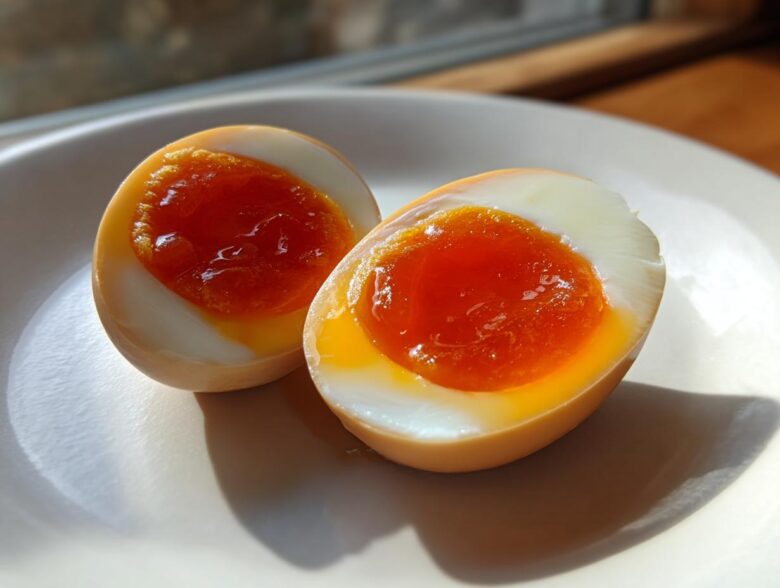
Forget those pale, barely seasoned eggs you find in lesser ramen bowls. We are going straight for the authenticity here! I spent way too many years eating ramen out, trying to figure out how those incredible, sunset-colored, flavor-bombed eggs were made, and trust me, the secret sauce isn’t really the sauce—it’s the time. That’s why making Shoyu Ramen Eggs Overnight is the only way I make them now. When you let those soft-boiled beauties soak in that rich shoyu bath for a full night, the flavor just concentrates in the best way imaginable. I’ve made this batch hundreds of times, tweaking that marinade ratio until the yolk is perfectly jammy and the white has that beautiful, mahogany tint. If you’re curious about who’s sharing these secrets, check out our story! It’s truly easy, but the overnight patience pays off big time!
Why You Will Love These Shoyu Ramen Eggs Overnight
Honestly, making these eggs overnight takes all the pressure off when you’re assembling your ramen bowl last minute. It’s pure genius! You get to brag that you made Ramen Bar Quality Eggs at Home, and they are so hands-off once they hit the fridge. Here’s why this technique works so well:
- That perfect, jammy yolk—it’s thick, rich, and melts beautifully into the broth.
- The deep flavor infusion thanks to the overnight soak is unmatched by a quick 30-minute bath.
- They are ideal for meal prepping! You have a stellar Perfect Ramen Topping ready for several days.
- The simple Easy Ajitama Recipe means you aren’t fussing with complicated techniques when you should be enjoying your broth.
- You master the Soft Boiled Eggs for Ramen technique effortlessly using our specific timing guide!
The Best Ajitama Marinade: Crafting Your Shoyu Ramen Eggs Overnight
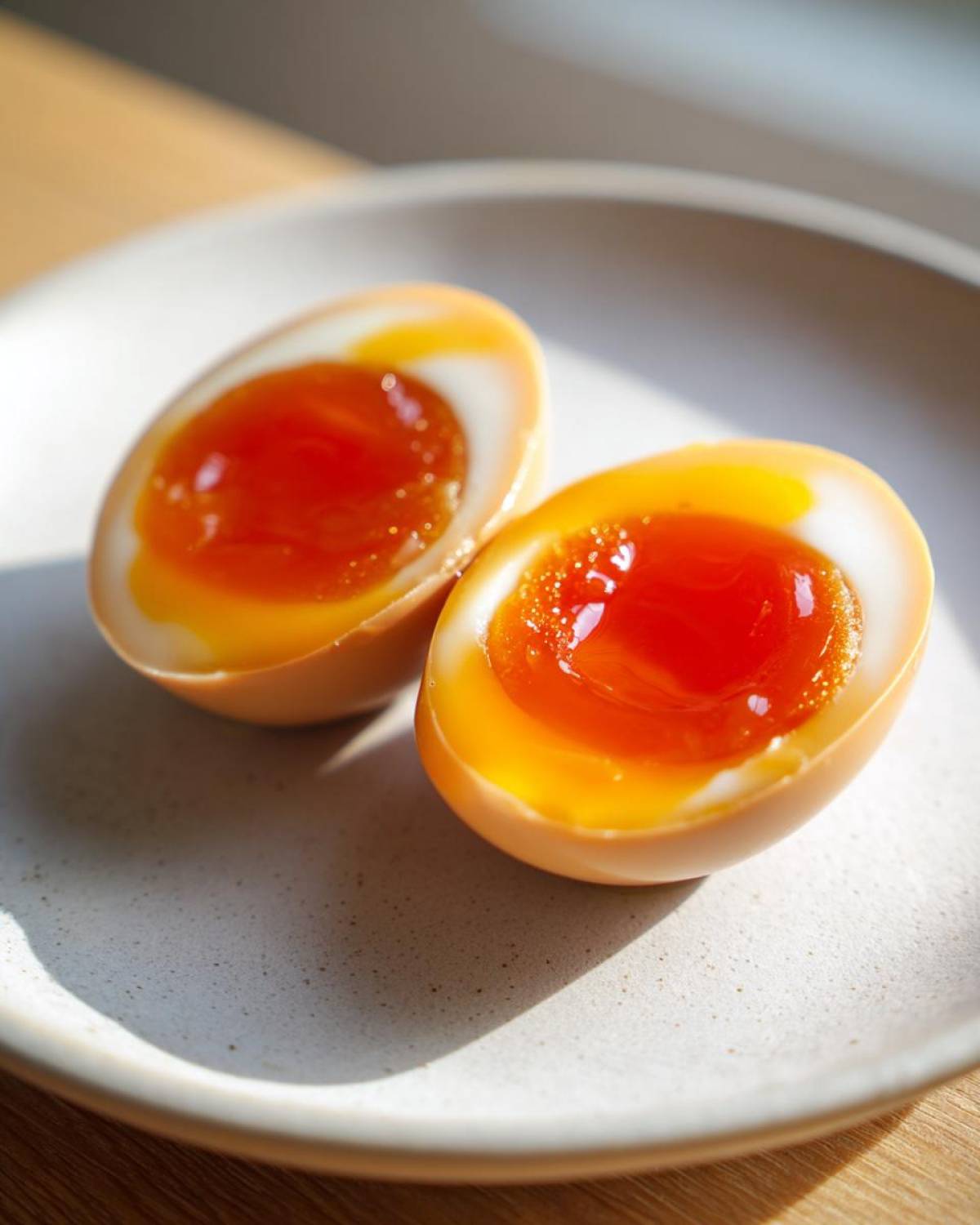
Okay, let’s talk flavor. This is where the magic truly happens when preparing Shoyu Ramen Eggs Overnight. The goal of the marinade—what the Japanese call *tare*—is to give the egg white that gorgeous, savory coating and season the yolk just enough without making the whole thing overwhelmingly salty. We need balance! My favorite Best Ajitama Marinade recipe relies on four key components working in perfect harmony to get that deep umami color and taste. If your ratio is off, your eggs end up too light or just too salty. Achieving the right color and saltiness means nailing these measurements. You want a gorgeous mahogany tint, not just plain dark brown! If you’re looking to experiment with other savory liquid bases later on, maybe check out some tips on marinade science, but for *ajitama*, we stick to this classic profile.
Ingredient Clarity for Your Shoyu Marinade Ratios
Here are the exact numbers I swear by for six nice, big eggs. We use 1 cup of water to cut the intensity slightly. You need exactly 1/2 cup of good soy sauce (shoyu!), 1/4 cup of mirin for sweetness, 2 tablespoons of sake for depth, and just 1 teaspoon of sugar to round out the edges. If you’re out of sake, don’t panic; just use water instead, though I promise you miss that little complexity kick!
Ramen Egg Boiling Technique for the Perfect Jammy Yolk Eggs for Ramen
Listen, this part requires military precision. If you mess up the boiling time, you get either a hard, chalky yolk or soup. Neither is what you want for your Jammy Yolk Eggs Tutorial masterpiece! For that famous molten center that oozes dreamily into your broth, you have to boil the eggs in already boiling water for exactly six minutes and thirty seconds. Seriously, set a timer! I know it sounds specific, but I tested this timing so many times, trying to hit that sweet spot right between liquid and fully set. The moment that timer goes off, you must shock the eggs immediately. Get them straight into an ice bath—I mean, straight in! This stops that residual heat from cooking them any further. If you skip the cooling bath, those yolks will keep cooking on the counter, and you’ll end up with solid centers. I learned that lesson the hard way developing this Ramen Egg Boiling Technique. Don’t forget to check out my favorite breakfast adventures over here!
Tips for Easy Peeling of Soft Boiled Eggs for Ramen
Peeling soft-boiled eggs can feel like a battle you never win, resulting in ripped whites and lost yolk! My trick is twofold. First, use eggs that aren’t *super* fresh; sometimes eggs that are a week or so old peel much cleaner than eggs straight from the farm. Second, once they are ice-cold, tap the shell all over gently—don’t smash it! Then, peel them carefully under cool, running water. The water sneaks in between the membrane and the egg white, helping the shell slide right off. It makes the whole process cleaner, and every precious bit of cooked egg ends up in the marinade, not stuck to the shell fragments!
The Overnight Marination Process for Shoyu Ramen Eggs Overnight
This is the step that separates the amateurs from the pros, truly. We absolutely need the Shoyu Ramen Eggs Overnight soak—it’s non-negotiable for that deep, incredible flavor. Short marinades just season the surface of the egg white, but leaving them submerged—I mean truly submerged—for 8 to 12 hours allows the shoyu and mirin to permeate deep inside, giving you that incredible, uniform color and savory punch in every bite. You simply place your perfectly peeled eggs into a small, sealable container or even a sturdy zip-top bag. Pour that prepared marinade right over them, making sure they are totally swimming in the liquid. If you are worried about them floating or getting uneven color, just flip them gently halfway through the marinating time. That little bit of extra attention ensures consistent flavor development. If you want more details on how long these last once they’re ready, check out my thoughts on storing ramen eggs!
Assembling Your Homemade Ramen Eggs Recipe
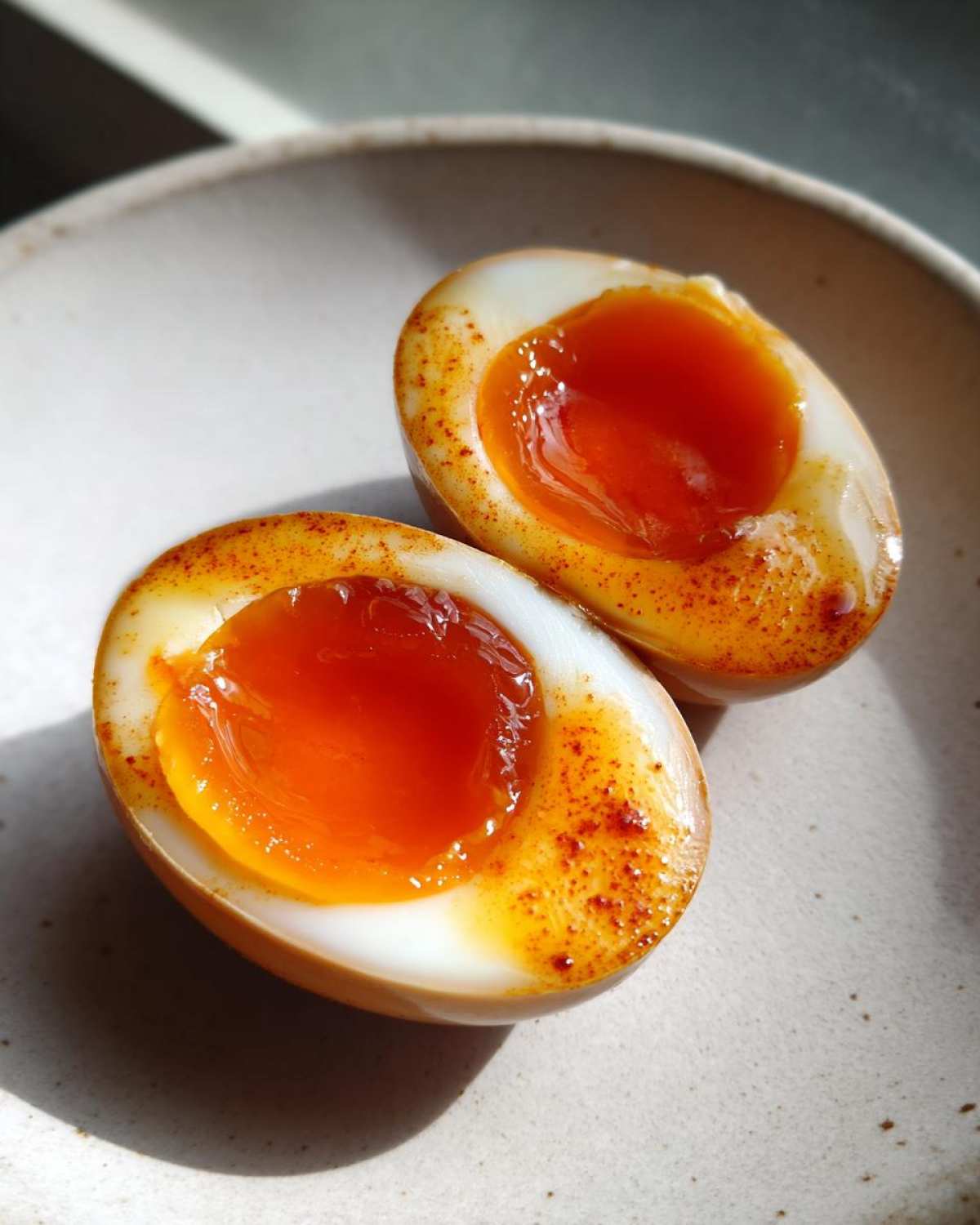
The anticipation is killing you, I know! You’ve waited all night, and now it’s time to see the results of your patience. Gently take those gorgeous, deep brown eggs out of the marinade. Don’t rush this part! Before you slice them open, a quick drain is essential. You want that deep flavor, but you don’t want excess marinade splashing into your carefully seasoned ramen broth and making it way too salty—that’s a rookie mistake! Just let them sit on a paper towel for a minute to wick off the excess liquid. Then, grab your sharpest knife and slice them right down the middle lengthwise to show off that gorgeous jammy center. When you’re ready to serve these beauties, check out my favorite ideas for other perfect ramen toppings to complete your bowl!
Expert Tips for Perfect Shoyu Ramen Eggs Overnight Every Time
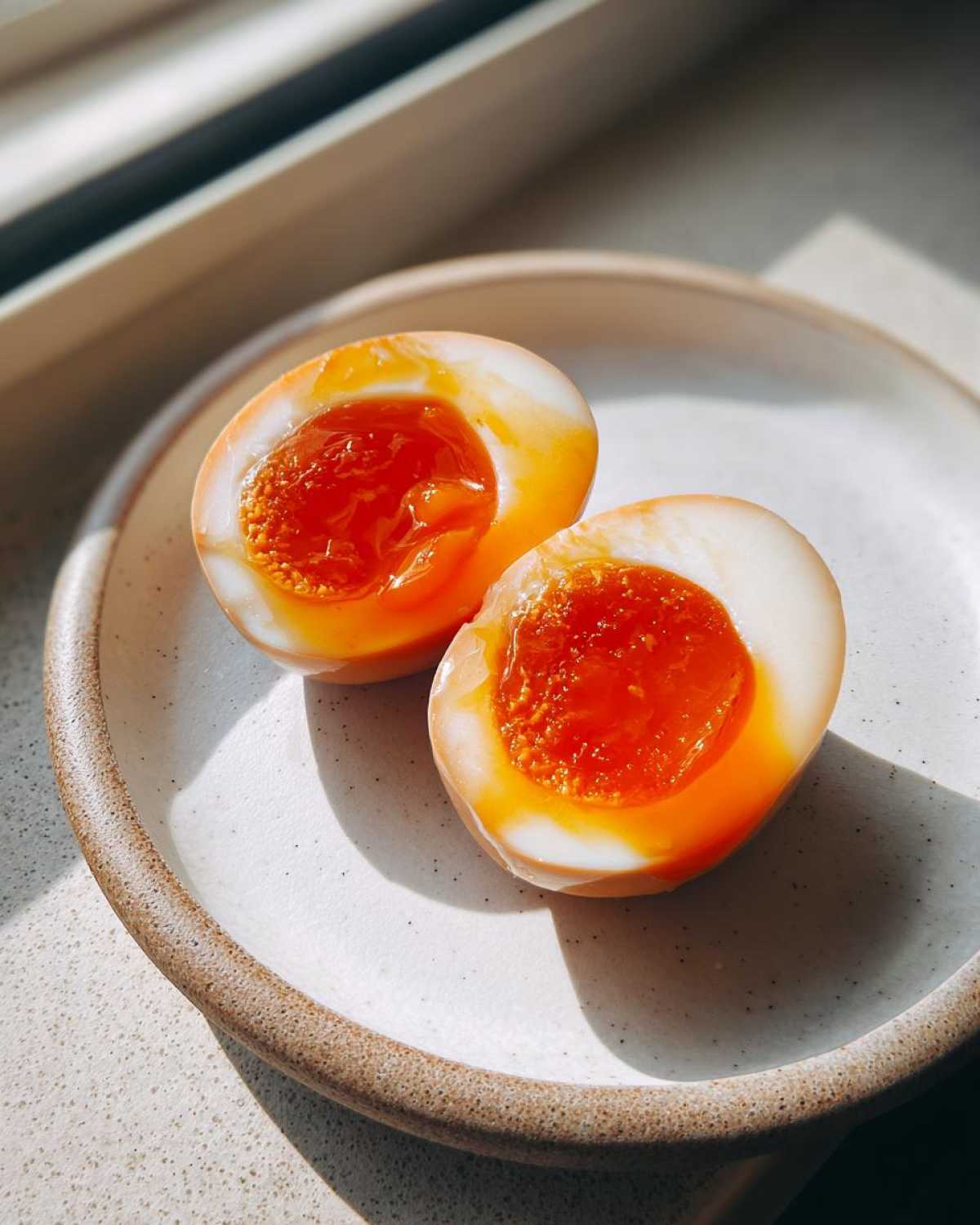
If you want to elevate these from great to absolutely legendary, you need to pay attention to the raw ingredients. For the best outcome in your Shoyu Ramen Eggs Overnight experience, use eggs that aren’t the absolute freshest you can find. I know that sounds weird since fresh is usually best, but eggs that are about a week old tend to separate from the shell membrane much more easily, remembering that freezing tip I mentioned earlier?
Also, don’t waste that beautiful marinade! Once you strain it once—just ditching any egg residue—you can totally reuse it for another batch of eggs. I usually get great results reusing it once. After that second round, though, the salty/sweet balance starts getting weak. For more on choosing the perfect base, take a look at which eggs work best for ramen topping!
Serving Suggestions: Pairing Your Japanese Soy Sauce Eggs
So, your beautiful, deeply marinated eggs are resting, perfectly sliced, waiting for their moment in the spotlight! Now comes the fun part: serving them up exactly how they deserve. For me, the ultimate home for these Japanese Soy Sauce Eggs is definitely a rich, fatty broth. Think about laying one half right on top of a creamy Tonkotsu—wow! The savory richness of the pork broth mixes with that slightly sweet, soy-soaked white, and the jammy yolk just melts in there. It’s culinary poetry, I’m telling you.
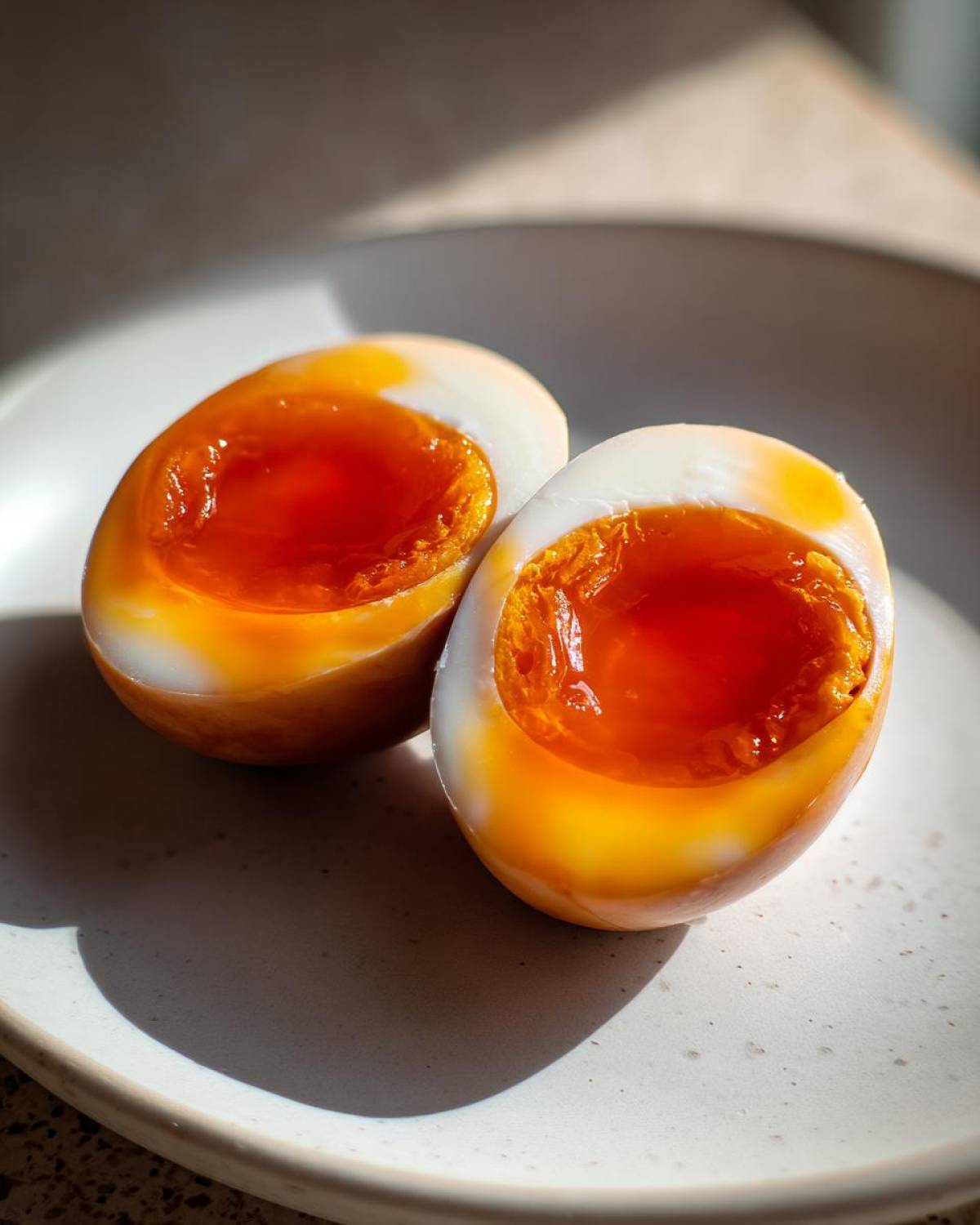
But don’t stop at Tonkotsu! If you’re leaning toward something lighter, these eggs are surprisingly fantastic paired with a simple Shio (salt-based) broth. The subtle broth lets the intense marinade shine through even more. If you’re organizing a big dinner or just want to build an amazing topping bar, you should definitely check out some ideas for other perfect ramen toppings to serve alongside them. Think crispy slivers of pork belly, some nice menma (bamboo shoots), and a sprinkle of toasted nori. They truly elevate any noodle experience, making your homemade bowl feel like it came straight from a specialized ramen shop!
Storing Ramen Eggs and Marinade
Once your Shoyu Ramen Eggs Overnight are fully steeped and oh-so-delicious, you’ll want to know how long they last! Kept in an airtight container in the fridge, these marinated egg halves stay perfect for solid snacking for up to five days. After that, the texture starts to get a little firm, which isn’t ideal. And remember what I said? You can totally reuse that leftover marinade once more! Just strain it well to catch any bits, keep it covered, and pop it back in the fridge. It’s a great way to keep that complex flavor going without making a whole new batch, perfect for quick Meal Prep Ramen Ingredients!
Frequently Asked Questions About Making Ajitama
I know you might have a few lingering questions after diving into the world of perfect homemade toppings. Don’t worry, that’s normal when aiming for that restaurant-quality result! Here are some common things people ask when they try this recipe for the first time! If you need to reach out with other crazy recipe ideas, you can always contact us!
Can I skip the overnight marination for my Shoyu Ramen Eggs?
You technically can, but you absolutely shouldn’t if you want the best results! If you only marinate them for an hour or two, you’re just seasoning the outside. For the deep flavor penetration that makes these eggs special, you really need that long soak. The overnight period is what transforms them from bland boiled eggs into deeply flavored Ajitama.
What if I want a firmer yolk? Adjusting the Ramen Egg Boiling Technique
Ah, personal preference reigns supreme here! The 6 minute 30 second mark gives you that ideal, thick jammy texture. If you prefer a slightly firmer yolk—maybe closer to a soft-boiled egg that’s still creamy but not gooey—bump that boiling time up to 7 minutes flat. On the flip side, if you want it super runny, drop it down to 6 minutes, but be incredibly careful peeling those babies!
Can I use regular soy sauce instead of Shoyu?
Yes, you *can*, but it changes the whole vibe of the dish. Shoyu is specifically Japanese soy sauce, and it tends to be slightly milder and brewed differently than many common, strong American or Chinese soy sauces. For the authentic, balanced flavor we are aiming for in the Shoyu Ramen Eggs Overnight process, sticking to Shoyu keeps the marinade balanced and prevents it from tasting overly sharp or salty. It helps maintain that subtle sweetness we balance with the mirin!
How long are the finished Ajitama good for?
Once your eggs have finished marinating, they are still safe to eat for about 4 to 5 days in the refrigerator. I seriously doubt they will last that long because they are too addictive, but they hold up really well as Meal Prep Ramen Ingredients if you keep them covered!
I peeled my eggs and the whites ripped! Any advice?
This is the worst! The running water trick really helps, but sometimes it’s the egg freshness. Slightly older eggs (about a week post-purchase) generally peel cleaner than eggs straight from the farm, strangely enough. Also, make sure your ice bath is *really* cold. The rapid temperature shock helps the membrane shrink away from the white.
PrintOvernight Shoyu Ramen Eggs (Ajitama)
Make deeply flavored, jammy-yolked ramen eggs by marinating soft-boiled eggs in a shoyu-based mixture overnight.
- Prep Time: 15 min
- Cook Time: 7 min
- Total Time: 8 hr 22 min
- Yield: 6 servings
- Category: Topping
- Method: Boiling and Marinating
- Cuisine: Japanese
- Diet: Low Fat
Ingredients
- 6 large eggs
- 1 cup water (for boiling)
- 1 cup water (for marinade)
- 1/2 cup soy sauce (shoyu)
- 1/4 cup mirin
- 2 tablespoons sake
- 1 teaspoon sugar
Instructions
- Prepare the eggs: Bring 1 cup of water to a rolling boil in a small saucepan. Gently lower the eggs into the boiling water. Boil for exactly 6 minutes and 30 seconds for a jammy yolk.
- Immediately transfer the eggs to an ice bath. Let them cool completely for at least 10 minutes to stop the cooking process.
- Peel the eggs: Gently tap the shell all over and peel under cool running water to remove the shell easily.
- Make the marinade: In a small bowl, whisk together 1 cup water, soy sauce, mirin, sake, and sugar until the sugar dissolves.
- Marinate: Place the peeled eggs into a small, sealable container or a zip-top bag. Pour the marinade over the eggs, ensuring they are fully submerged.
- Seal the container and refrigerate for a minimum of 8 hours, preferably overnight, turning the eggs halfway through the marination time if possible.
- Remove the eggs from the marinade before serving. Slice in half lengthwise.
Notes
- Use the freshest eggs possible for the best texture, though slightly older eggs sometimes peel easier.
- If you do not have sake, you can substitute it with an equal amount of water, though the flavor depth will decrease slightly.
- The marinade can be reused once or twice if strained and kept refrigerated, but the flavor will weaken with each use.
Nutrition
- Serving Size: 1 egg half
- Calories: 85
- Sugar: 2
- Sodium: 350
- Fat: 5
- Saturated Fat: 1.5
- Unsaturated Fat: 3.5
- Trans Fat: 0
- Carbohydrates: 3
- Fiber: 0
- Protein: 6
- Cholesterol: 185