

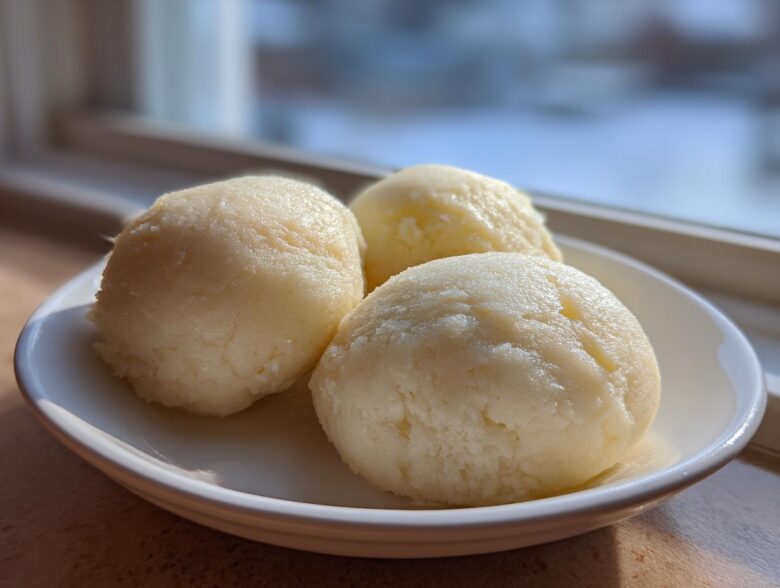
Oh, when I think about pure comfort food, my mind immediately jumps to a warm, perfectly smooth bowl of fufu ready for soaking up the richest stew! I know grabbing flour and water sounds simple, but mastering that wonderful, stretchy texture can intimidate folks new to West African Food. Don’t you worry about that for a second! This is truly the Best Fufu Recipe for Beginners. Seriously, I’ve been there, hacking away with a weak spoon trying to beat that dough into submission. But I figured it out, okay? This guide cuts through the confusion. We’re using a magic blend of cassava and plantain flour to get that incredibly pliable, lump-free fufu every single time. Trust me, once you nail this stovetop method, you’ll never look back!
Why This is the Best Fufu Recipe for Beginners
What sets this recipe apart from others you might see? It’s all about reliability. We aren’t messing around asking for specialized kitchen equipment or hours of cooking time. This method focuses purely on getting that authentic, smooth mouthfeel without the fuss.
- You get that incredible, familiar stretch quality of traditional fufu.
- We use a simple combination of cassava and plantain flour for the perfect balance.
- It’s incredibly fast! You won’t be stuck stirring forever.
Quick Preparation Time for Homemade Fufu Dough
This recipe is seriously speedy. With only 5 minutes of prep time and about 10 minutes on the stove, you can whip up this African Staple Dish before your soup is even ready. That’s why it’s my go-to when I need a quick fix!
Essential Ingredients for Authentic Fufu Guide
Okay, let’s talk flour! Since fufu is essentially just cooked dough, the quality of your flour mix matters more than anything. You aren’t working with a lot of moving parts here, which is great news, but we need the right building blocks. For this recipe, we are making enough to serve about four happy people, assuming they are really digging into their soup!
Ingredient Notes and Substitutions for Fufu
The starches here are cassava flour and plantain flour. I love using both because the plantain flour gives just a little extra structure and a sweeter undertone that balances the starchiness. Now, if you only have cassava flour for your fufu, go ahead and use 3 cups of just that—it will make a beautiful, traditional Cassava Dough, but it might feel a touch softer.
If you want a pure Yam Fufu, you’d need actual yam flour or yam flour/cassava mix, which is trickier to source sometimes. Plantain flour just helps us beginners get that perfect, easily pliable result without needing hours of kneading!
How to Make Fufu: Step-by-Step Instructions
Now for the fun part where we make the dough! Look, I won’t lie to you—this is where the muscle comes in. For good fufu, you must commit to stirring constantly and vigorously. If you stop for even a minute when the flour hits the hot water, you’ll get little, stubborn lumps that just won’t go away. It requires elbow grease, but the payoff is worth it!
Mixing the Dry Ingredients and Boiling Water
First things first, before any heat shows up, grab your bowl with the cassava and plantain flours and just give them a good mix. Make sure they are totally combined! While that’s happening, get 3 cups of your water heating up in a medium saucepan until it hits a rolling boil. Keep that steady heat ready!
Achieving Smooth Cassava Dough Consistency
When that water is boiling, turn the heat down low—super low—and start adding that flour mixture slowly. Use a very sturdy wooden spoon, please, and stir like you mean it! You need to keep stirring nonstop as that starchy water swallows the flour and starts turning into a thick mass. Honestly, this is the make-or-break moment. If it feels like you have a brick in your pot, don’t panic! That’s where that last cup of water comes in. Add a splash at a time while you keep hammering away with that spoon until it loosens up and starts looking smooth.
The Stretchy Fufu Technique: Cooking and Kneading
Keep cooking it for about five to seven minutes now, but don’t stop folding and stirring. You’re cooking out that raw starch flavor. Once you take it off the heat, you need to do one final, quick knead right there in the pot. Scrape the sides and just fold that dough over itself a few times until it looks completely uniform. This final fold is what gives you that signature smooth, elastic texture. Now you have perfect fufu ready to shape!
Serving Fufu with Soup: Pairing Ideas for This African Staple Dish
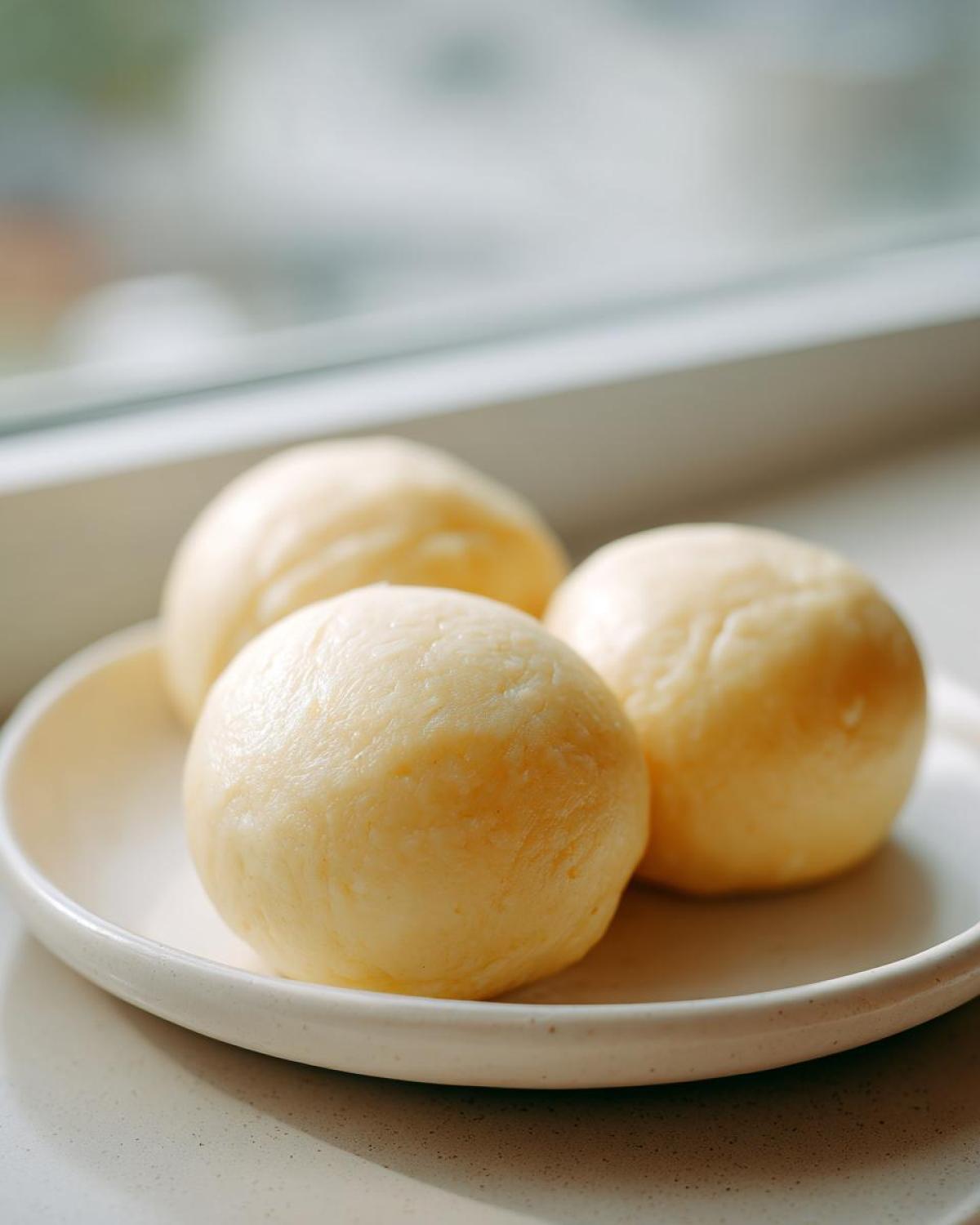
So, you’ve got your beautifully smooth, warm fufu dough. That means it’s time for the main event! Remember, fufu is the incredible vehicle for carrying all the flavor from your rich soups and stews. It’s not meant to be eaten alone, bless its starchy heart. The absolute king of pairings is Egusi Soup—the way the melon seeds mix with the dough is just sublime heaven.
But honestly, it goes with almost anything! Don’t forget to try it with a hearty Okra soup or even a vegetable stew. The goal is to scoop up that amazing sauce with your dough. If you want to get in touch with me about what your favorite pairing is, you can always send a note through my contact page right here: send me a message!
Tips for Serving Fufu with Soup
Once you shape your dough into nice, handful-sized balls, the presentation is simple. Use a small bowl lined with plastic wrap for the smoothest finish. When you serve it, make a tiny, shallow indentation right in the center of each ball. That little dip is perfect for catching that first spoonful of soup!
Storage & Reheating Instructions for Leftover Fufu
Nobody wants leftover fufu to turn hard as a rock the next day, right? That doesn’t happen if you treat it right! When you have extras, the best thing is to shape them into those small balls and tuck them into an airtight container. I always stick mine in the fridge right away. Never leave it sitting out too long, especially if you live somewhere warm.
When you are ready to eat your leftovers, you have to reintroduce moisture. You can’t just pop it in the microwave plain, or it stiffens up oddly. To reheat, I usually wrap my fufu ball in a damp paper towel and zap it for about 30 seconds, or maybe a minute if it’s a big portion. Steaming works beautifully too, keeping it soft. If you’re worried about it drying out, remember my grandmother’s trick for keeping it warm: put the balls in a lightly oiled, covered bowl until you’re ready to eat!
Frequently Asked Questions About Making Fufu
I get so many questions when people try making this for the first time! It’s a technique thing, not a talent thing, I promise. We’ve all been there—that moment where you think you’ve made a brick instead of beautiful, stretchy fufu. If you have questions about the texture or ingredients, check out these common ones before you reach out. If you want to know more about my general approach to Traditional African Cooking, check out the ‘About Us’ page here: Learn more about me!
Can I use only Yam Flour for this Easy Fufu Recipe?
Yes, you absolutely can make a pure Yam Fufu! Yam flour works wonderfully, but just know that the final texture won’t be quite as pliable as the mix we use here. Since yam flour tends to be denser, you might need a little extra hot water to get that familiar smooth consistency we are aiming for in this Easy Fufu Recipe.
Why is my Fufu dough lumpy?
Ah, lumps! That usually means one of two things happened too early in the game. Either you didn’t mix your dry **fufu** flours together thoroughly enough before they hit the heat, or you didn’t stir vigorously enough when you first poured the flour into the boiling water. Keep that wooden spoon moving constantly, even when it feels impossible!
Nutritional Estimates for Homemade Fufu Dough
We’ve covered the flavor and the feel, but for those who like to keep track, here are some nutritional estimates for one serving ball of this fufu dough based on the recipe above. Just remember, since this is an authentic West African Food meant to be paired with hearty soups, these values only account for the dough itself!
- Serving Size: 1 ball
- Calories: 250
- Fat: 0.5g
- Carbohydrates: 58g
- Protein: 2g
It’s crucial to know that these estimates are based on standard ingredient measurements, so the actual numbers can shift a bit depending on the specific brand of cassava and plantain flour you pick up at the store. For the full breakdown and to understand my general approach to dietary guidelines, you can check out my full disclaimer page here: See the official disclaimer page for more details.
Share Your Experience Making This West African Food
That’s it! You’ve mastered the fufu! I absolutely love hearing about your triumphs in the kitchen. Seriously, please take a moment to drop a rating for this recipe down below. Did you finally get that perfect, stretchy bite? That makes my whole day!
Let me know in the comments what incredible soup you chose to enjoy your homemade fufu with—was it Egusi, Okra, or something entirely new? I always need pairing ideas. Don’t forget to snap a picture and share it on social media so I can cheer you on!
PrintEasy Homemade West African Fufu

A simple guide to making traditional West African fufu using a combination of cassava and plantain flour for a smooth, pliable dough.
- Prep Time: 5 min
- Cook Time: 10 min
- Total Time: 15 min
- Yield: 4 servings
- Category: Side Dish
- Method: Stovetop Cooking
- Cuisine: West African
- Diet: Vegetarian
Ingredients
- 2 cups cassava flour (or fufu flour mix)
- 1 cup plantain flour
- 4 cups water
- 1 teaspoon salt (optional)
Instructions
- Combine the cassava flour and plantain flour in a medium bowl. Mix them thoroughly.
- Pour 3 cups of water into a medium saucepan and bring it to a boil over medium-high heat.
- Once the water is boiling, reduce the heat to low. Slowly add the flour mixture to the hot water while stirring constantly with a wooden spoon or sturdy spatula.
- Continue stirring vigorously. The mixture will start to thicken quickly into a stiff dough.
- If the dough is too stiff, add the remaining 1 cup of water gradually, stirring until you achieve a smooth, elastic consistency.
- Cook for about 5 to 7 minutes, stirring and folding the dough constantly to ensure it cooks evenly and becomes smooth.
- Remove from heat. Use the spoon to knead the dough briefly in the pot until it is completely uniform and lump-free.
- Shape the fufu into small, smooth balls using a small bowl or plastic wrap to prevent sticking.
- Serve immediately with your favorite West African soup or stew, such as Egusi or Okra soup.
Notes
- For a purely cassava fufu, use 3 cups of cassava flour and omit the plantain flour.
- To keep the fufu warm while you prepare the soup, place the shaped balls in a lightly oiled, covered bowl.
- Use a sturdy wooden spoon; mixing this dough requires effort.
Nutrition
- Serving Size: 1 ball
- Calories: 250
- Sugar: 1
- Sodium: 5
- Fat: 0.5
- Saturated Fat: 0
- Unsaturated Fat: 0.5
- Trans Fat: 0
- Carbohydrates: 58
- Fiber: 2
- Protein: 2
- Cholesterol: 0