

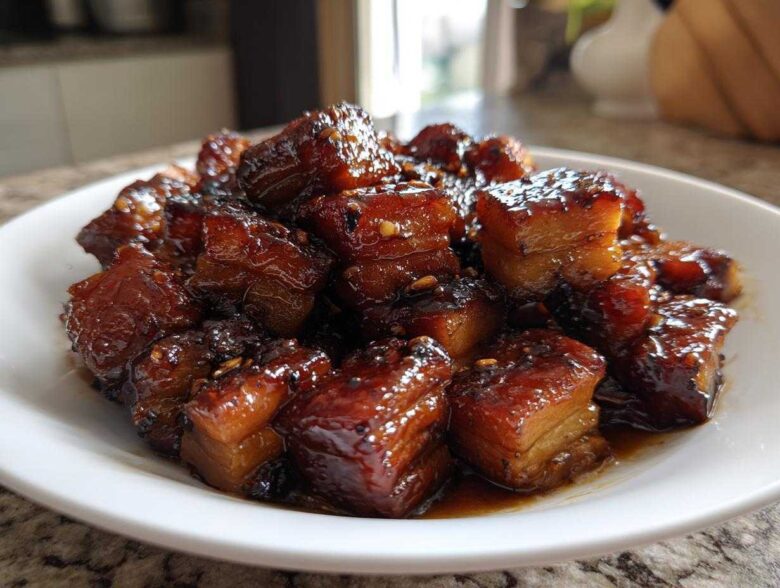
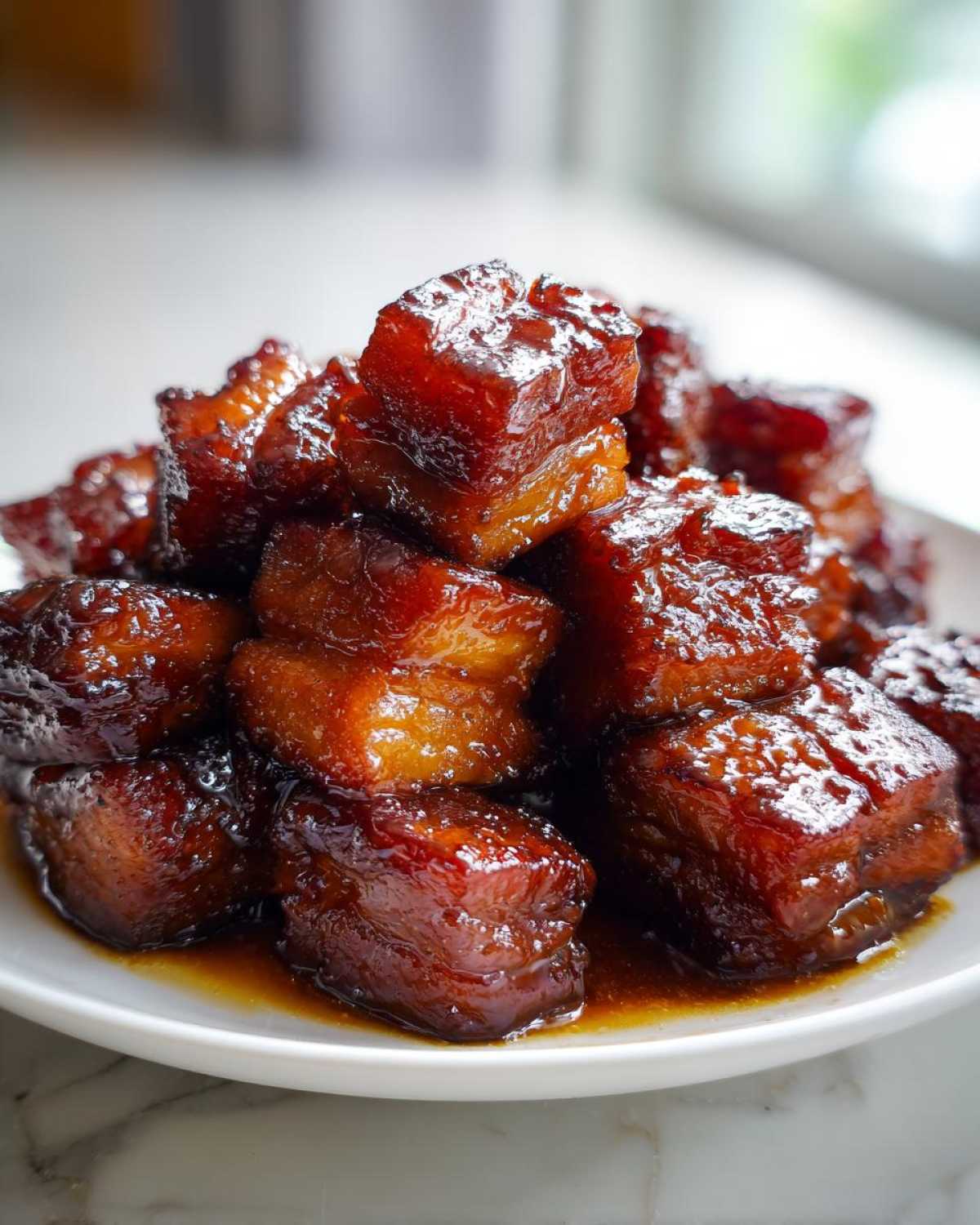
Oh my gosh, if you’ve ever taken one bite of that perfect balance of salty, sweet, and deeply savory food and thought, “How on earth do they get that color and flavor?”, then you are in the right place! We are talking about true comfort food today, the kind that sticks to your bones in the best way possible: Vietnamese Caramel Pork.
This dish, which we call Thit Kho To, looks intimidating, especially when you hear about the caramel sauce. But trust me, after trying a few times and ending up with something burnt or too watery, I finally cracked the code on making that amazing nước màu, or burnt sugar syrup, right on my stovetop. Once you nail that step, making this authentic **Vietnamese Caramel Pork** is actually so simple. It’s slow cooking magic, and this recipe is the one that finally made my kitchen smell like a trip back to Hanoi!
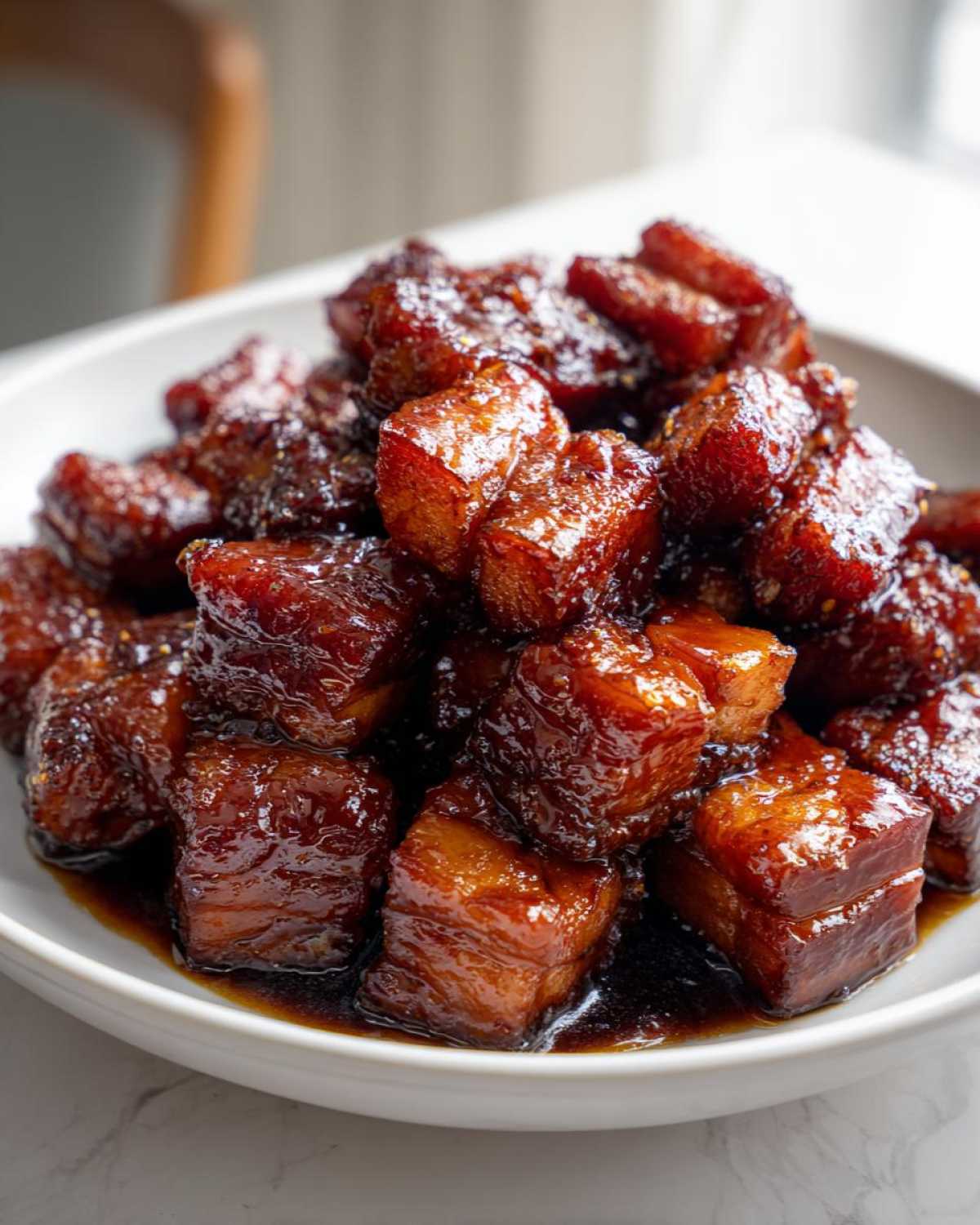
Why This Vietnamese Caramel Pork Recipe Works (EEAT Focus)
People often struggle with this dish because they rush the two most important parts: the marinade time and the braise. This version cuts through the noise because it respects tradition while being totally achievable for a weeknight dinner. When you taste this **savory sweet pork dish**, you’ll understand why it’s one of the best Vietnamese comfort food recipes out there. It’s rich, sticky, and utterly satisfying!
Achieving Perfect Tenderness in Vietnamese Braised Pork
The absolute key here is using pork belly with a good mix of fat and lean meat—don’t be shy about the fat! That fat renders down slowly during the 90 minutes of simmering, basting the meat and creating that signature melt-in-your-mouth texture. You aren’t just cooking pork; you’re slow-braising it until it yields. This method guarantees you won’t end up with dry chunks!
The Secret to Authentic Caramelized Sauce for Pork Belly
So many online recipes just tell you to use dark soy sauce, but that misses the soul of the dish! The true flavor comes from making the caramel from scratch. That rich, slightly bitter, amber color of the nước màu elevates the sticky glaze on your **Vietnamese Caramel Pork**. It’s what separates a good braise from a mind-blowing one for this classic dish.
Essential Ingredients for Vietnamese Caramel Pork
Okay, don’t panic when you see this list! We’re using recognizable pantry staples, but the proportions are what make this **Vietnamese pork recipe** sing. I always keep my spices lined up before I start anything, just like when I whip up my chicken marinade. Get these things ready before you start mixing!
Pork and Marinade Components
You need a hefty 2 lbs of pork belly, and make sure you ask the butcher to cut it into nice, even 1.5-inch cubes for uniform cooking. For the marinade, we get pungent with 4 cloves of minced garlic and 1 minced shallot. Then it’s about balancing that salt and sweetness: you’ll need 1/4 cup of good, high-quality fish sauce—don’t skimp here, it builds the umami! Add 1 tablespoon of regular white sugar for tenderizing, 1/4 cup of dark soy sauce for color, and a good teaspoon of coarse black pepper. Mix it all up and let that meat sit and absorb the flavor for a while!
Making Nước Màu: Caramel Sauce Ingredients
This is the star of the show that gives us that gorgeous mahogany glaze. For the caramel sauce, you only need two things: 1/4 cup of granulated sugar and 2 tablespoons of plain water. That’s it! Mix those two together later, right before you cook the pork, and watch the magic happen. Oh, and if you want to serve this the traditional way, grab two hard-boiled eggs, peeled, since they soak up all that glorious sauce while braising.
How to Prepare Vietnamese Caramel Pork (Thit Kho To)
Alright, let’s get cooking! I know 90 minutes of cook time sounds like a commitment, but trust me, most of that is hands-off time. You’ll spend about 20 minutes prepping everything, and then the stovetop does the heavy lifting. This is where the pieces come together to create that rich, deep flavor profile we are aiming for in this **Vietnamese Caramel Pork**.
Step 1: Marinating the Pork for Vietnamese Pork Recipe
First things first: get that meat flavor infused! Take your cubed pork belly and toss it right into that bowl with all the garlic, shallots, fish sauce, sugar, soy sauce, and pepper we talked about. Get your hands in there—seriously, use your hands—and make sure every single piece of pork is coated well. It needs at least 30 minutes, but if you can let it hang out in the fridge for 4 hours, even better. That marinade is crucial for making the final dish taste deep and not just sweet on the outside.
Step 2: Making the Caramelized Sauce for Pork Belly
This is the step that makes people nervous, but I promise you can handle it! Grab a small, heavy pot—this is important for even heating—and combine that 1/4 cup of granulated sugar with just 2 tablespoons of water. Put it over medium heat, but DO NOT STIR IT. You just watch it. It will melt, then start to bubble, and then it will turn a beautiful shade of amber. I look for the color of dark honey, maybe slightly darker. If you see black smoke, whoops, you went too far! Immediately take it off the heat.
Step 3: Combining and Braising the Vietnamese Braised Pork
When your sugar is perfectly colored, you have to move fast! Carefully pour that entire marinated pork mixture right into the hot caramel. It’s going to hiss and bubble really aggressively—don’t panic, that’s the caramel grabbing onto the meat! Give it a quick stir so everything gets coated in that sticky gorgeousness. Then, for the braising liquid, pour in your water or, ideally, your coconut water. Bring that whole mess up to a rolling boil, then immediately drop the heat down super low, slap the lid on tight. This starts the process for that **Authentic caramelized pork** texture.
Step 4: Simmering and Reducing the Vietnamese Caramel Pork Sauce
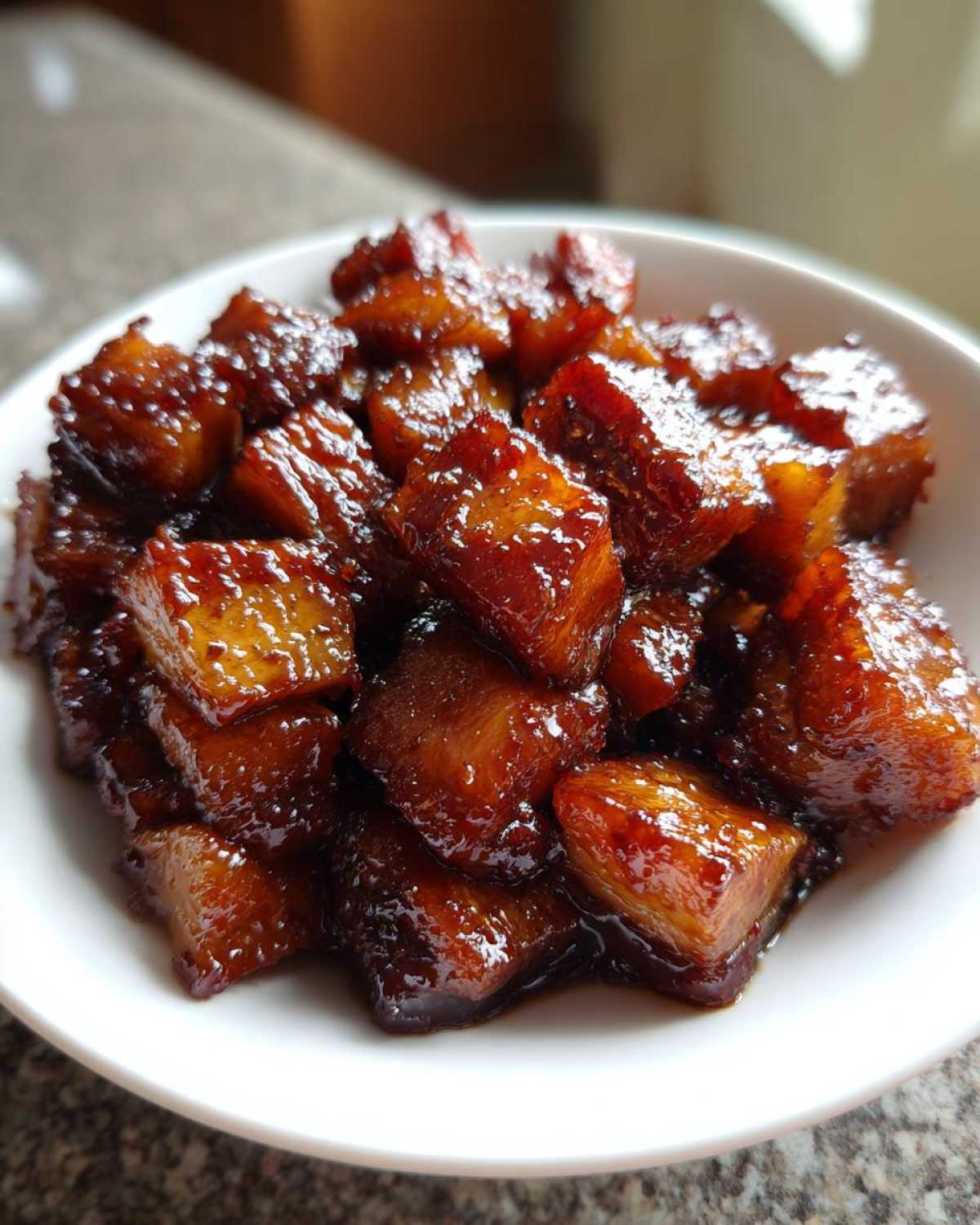
Now, you wait. Let this **Vietnamese braised pork** simmer for a good hour to an hour and a half. Stir it gently every 20 minutes or so so nothing sticks to the bottom. If you decided to use those hard-boiled eggs, toss them in during the last 30 minutes so they get nice and stained with the sauce. Once the pork is fork-tender—I mean really soft—take the lid off. Turn the heat up just a touch and let that sauce reduce down. You want it thick, glossy, and clinging perfectly to every piece of pork belly. That final reduction makes all the difference!
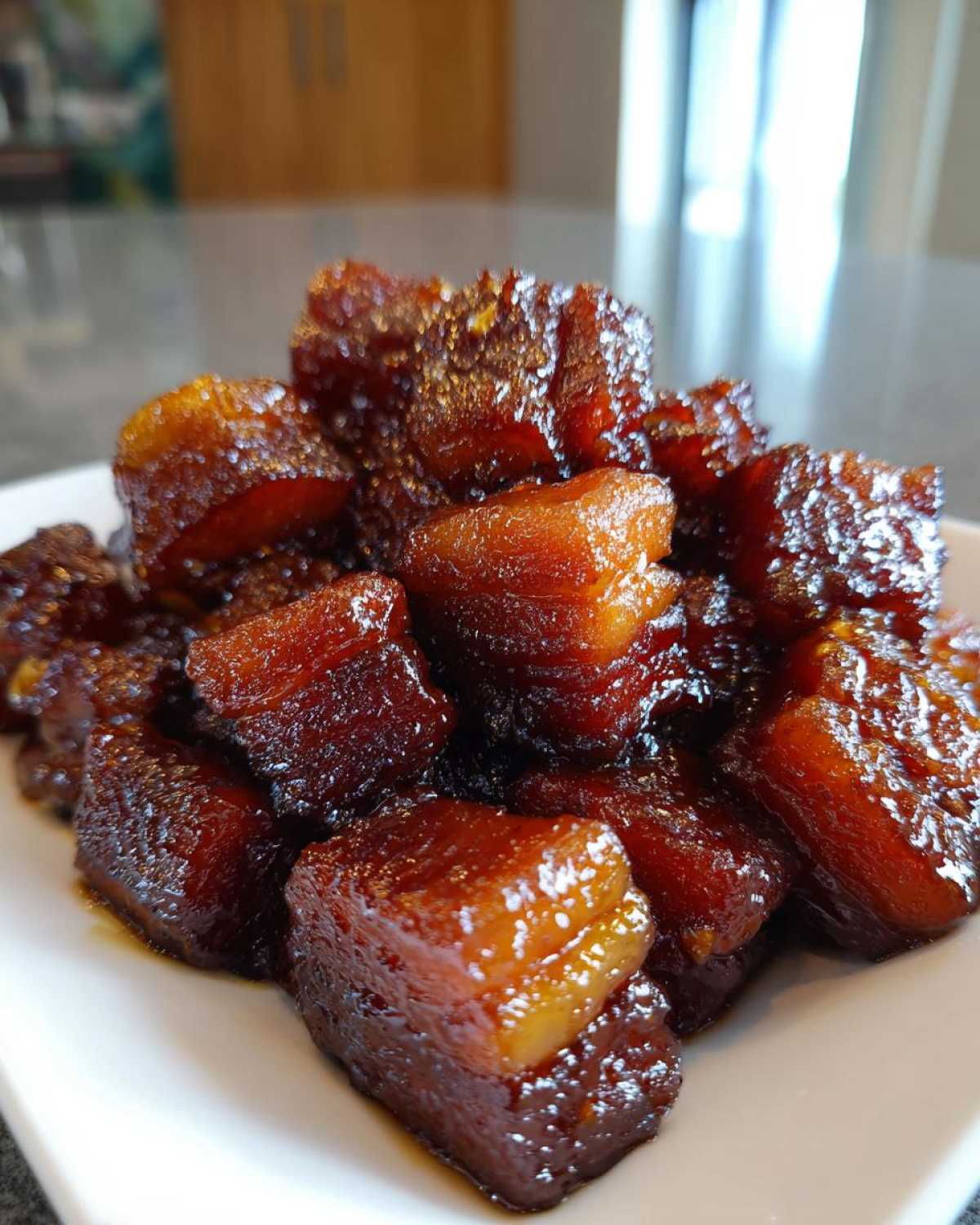
Tips for Success with Your Simple Caramelized Pork Belly Recipe
Even with a perfect recipe, sometimes we need a little nudge to make a dish go from good to absolutely legendary. When you’re making this **Best Vietnamese pork belly recipe**, remember that the quality of two ingredients really dictates the outcome. Don’t worry about tiny measurements; focus on these big flavor boosters!
Ingredient Swaps and Liquid Choices for Vietnamese Caramel Pork
First, let’s talk liquid. If you have it, please use coconut water instead of plain water for the braise. It just adds a subtle sweetness and complexity that water can’t touch. It’s honestly the professional move for **Vietnamese Caramel Pork**. Now, if you look at the ingredients list and feel overwhelmed about making the nước màu from scratch, there is an emergency backup. You can cheat by mixing 3 tablespoons of dark soy sauce with 1 tablespoon of brown sugar. It won’t be quite as deep, but it still works in a pinch!
When you are done cooking, you might want some ideas for what to eat it with. I often find myself making our quick vegetable sides to balance out the richness of this savory pork. It’s usually a winner!
Serving Suggestions for This Traditional Vietnamese Stew
You can’t serve this glorious **Vietnamese Caramel Pork** without the right foundation, right? Since this dish is so intensely rich and savory, it begs for a clean canvas to soak up all that thick, glossy sauce. Seriously, make sure you have fresh, hot, perfectly steamed white rice ready to go—it’s non-negotiable for mopping up every last drop!
I always pair it with a side of crisp, quickly pickled vegetables, like carrots and daikon, to cut through the fat. If you need a great side dish recipe that perfectly complements the richness of this **traditional Vietnamese stew**, you must try our French Onion Butter Rice. It adds a layer of savory depth that takes the whole meal up a notch!
Storage and Reheating Instructions for Vietnamese Caramel Pork
One of the best things about making a big batch of this **Vietnamese Caramel Pork** is that it tastes even better the next day! The flavors really have time to mingle and deepen overnight. Store any leftovers in an airtight container in the fridge. It keeps beautifully for up to four days, which means delicious lunch prep done!
When it’s time to reheat, you want to treat that sauce gently so it stays glossy and doesn’t break. I always reheat mine slowly on the stovetop over low heat, stirring frequently until it’s hot and bubbly again. Pop a lid on it for the last few minutes to keep the moisture in. If you’re in a real rush, the microwave works fine, just stop and stir halfway through to make sure the bottom isn’t scorching!
Frequently Asked Questions About Thit Kho To
Can I make Vietnamese Caramel Pork in a Slow Cooker?
Absolutely! You can try making **Slow cooker caramel pork**, but you can’t skip the caramel step first. You MUST make the nước màu (sugar caramel) on the stovetop just like in Step 2, because slow cookers don’t get hot enough to caramelize sugar reliably; it usually just burns or turns into hard candy. Caramelize it, pour the pork mixture over it, add your liquid, bring it to a boil on the stove, and *then* transfer it to the slow cooker for 4 to 6 hours on low until it’s crazy tender. It won’t get that reduced glaze on top, so you might have to reduce the remaining liquid on the stove at the very end.
What is the best cut of meat for this savory sweet pork dish?
Hands down, you want pork belly for this **savory sweet pork dish**! You need that beautiful ratio of fat to lean meat. When it braises slowly, the fat melts down, keeping the meat moist and creating that rich, luscious sauce that coats everything. If you use just lean pork shoulder, it tends to dry out before the flavor really concentrates the way it should in this Vietnamese pork recipe.
How to make Vietnamese fish sauce pork less salty?
That’s a great question because fish sauce is powerful! If you’re worried about the sodium level of your final **Vietnamese fish sauce pork**, you have a couple of options. First, remember that the sugar in the marinade balances the saltiness significantly during the long cook. If you want to be extra cautious, use slightly less fish sauce in the marinade, maybe starting with 3 tablespoons instead of 1/4 cup, and then taste the liquid *before* you add the final braising water. You can always add more saltiness later, but you can’t take it away once it’s in!
If you have any more burning questions about making the perfect texture or need the link for our contact page, feel free to send us a message; we are always happy to chat cooking! You can always reach us through our contact form.
Nutritional Estimate for Vietnamese Caramel Pork
Now, I want to be super upfront about this part because, honestly, this is rich food—it’s comfort food, and comfort food usually comes with a little goodness! Since this **Vietnamese Caramel Pork** is braised in pork belly fat and that sweet, sticky sauce, the numbers reflect that rich flavor profile. These figures are just an estimate, of course, based on how I break down the recipe, so use them as a guideline!
For one serving, based on the recipe proportions, here’s what you’re generally looking at:
- Calories: About 450
- Fat: Roughly 30 grams (don’t skip the fat; it’s flavor!)
- Protein: A healthy 28 grams
- Carbohydrates: Around 18 grams
- Sodium: This one lands a bit higher, around 850mg, mainly due to that essential fish sauce.
Remember, if you serve this with our butter rice, those numbers will change slightly. For the official, super-detailed breakdown, you can always check out our full nutritional disclaimer page, but for a hearty, savory, and sweet dinner, this is a fantastic main course, especially when paired with fresh veggies!
Share Your Vietnamese Caramel Pork Experience
And that’s it! You’ve just unlocked the secrets to making utterly authentic **Vietnamese Caramel Pork** right in your own kitchen. It smells incredible, right? Now that you’ve gone through the whole process—from making that tricky nước màu to achieving that fork-tender, deeply glazed pork—I really want to hear from you!
Did it work out perfectly the first time? Did you use coconut water? Tell me everything! Please take a moment to leave a quick star rating right below—it helps other home cooks know this recipe is the real deal. If you snapped a picture of your beautiful, glossy pork belly, I would absolutely love to see it over on social media, just tag me so I can admire your work!
If anything felt confusing, or if you have a brilliant variation you discovered, drop a comment below. Our community is all about learning together! I always check in on the comments to answer any last-minute troubleshooting questions you might have about your **Thit Kho To** journey. Happy eating, and thanks for cooking with me today! We put so much work into sharing these recipes, and getting your feedback truly means the world to us. You can learn more about our mission behind sharing these traditional tastes on our About Us page!
PrintVietnamese Caramel Pork (Thit Kho To)
Make authentic Vietnamese Caramel Pork, a savory and sweet braised dish featuring tender pork belly cooked in a rich caramelized sauce.
- Prep Time: 20 min
- Cook Time: 90 min
- Total Time: 110 min
- Yield: 4 servings
- Category: Main Course
- Method: Braising
- Cuisine: Vietnamese
- Diet: Low Lactose
Ingredients
- 2 lbs pork belly, cut into 1.5-inch cubes
- 4 cloves garlic, minced
- 1 shallot, minced
- 1/4 cup fish sauce
- 1 tablespoon sugar (for marinade)
- 1/2 cup water or coconut water
- 1/4 cup dark soy sauce
- 1 teaspoon black pepper
- For Caramel Sauce (Nước Màu): 1/4 cup granulated sugar, 2 tablespoons water
- Optional: 2 hard-boiled eggs, peeled
Instructions
- Marinate the pork: In a bowl, combine the pork cubes, minced garlic, minced shallot, 1 tablespoon sugar, fish sauce, dark soy sauce, and black pepper. Mix well and let it marinate for at least 30 minutes, or up to 4 hours in the refrigerator.
- Prepare the caramel sauce: In a small, heavy-bottomed pot or skillet, combine the 1/4 cup granulated sugar and 2 tablespoons of water. Heat over medium heat without stirring. Allow the sugar to melt and turn a deep amber color, resembling dark honey. Watch carefully to prevent burning.
- Add the pork: Once the caramel reaches the desired color, immediately and carefully pour the marinated pork mixture into the pot. The mixture will bubble vigorously. Stir quickly to coat the pork with the caramel.
- Braise the pork: Add the 1/2 cup of water or coconut water to the pot. Bring the mixture to a boil, then reduce the heat to low. Cover the pot tightly.
- Simmer: Let the pork simmer slowly for 1 to 1.5 hours, or until the pork is very tender. Stir occasionally to prevent sticking. If using hard-boiled eggs, add them during the last 30 minutes of cooking.
- Reduce sauce: If the sauce is too thin after the pork is tender, remove the lid and increase the heat slightly. Cook for 5 to 10 minutes until the sauce reduces to a thick, glossy glaze that coats the pork.
- Serve hot with steamed white rice.
Notes
- Use coconut water instead of plain water for a slightly sweeter and more traditional flavor.
- For the best texture, use pork belly with a good ratio of fat to lean meat.
- If you prefer not to make the caramel sauce from scratch, you can substitute 3 tablespoons of store-bought dark soy sauce mixed with 1 tablespoon of brown sugar.
Nutrition
- Serving Size: 1 serving
- Calories: 450
- Sugar: 15
- Sodium: 850
- Fat: 30
- Saturated Fat: 10
- Unsaturated Fat: 15
- Trans Fat: 0
- Carbohydrates: 18
- Fiber: 1
- Protein: 28
- Cholesterol: 90