

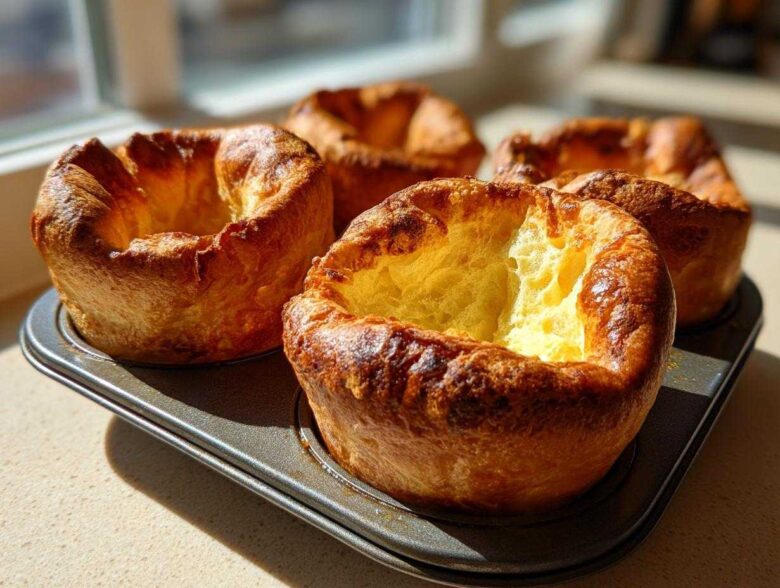
Oh, the sheer disappointment when you pull a tray out of the oven and instead of majestic, golden towers, you’re staring at sad, flat, greasy puddles. We’ve all been there, believe me! When Ethan and I first started cooking together, mastering the perfect **Yorkshire pudding** was one of the great culinary showdowns. I wanted chaos; he wanted physics. Well, we finally struck gold, combining my kitchen intuition with his obsession for exact measurements. Now? We make puddings so tall and crispy they practically reach for the gravy! Trust us; this is the foolproof guide you need to banish flat puddings forever. At Recipes Fleet, we believe this simple classic defines a great roast, and we’ve locked down the exact technique to get it right every single time.
Why This is the Best Yorkshire Pudding Recipe You Will Ever Make
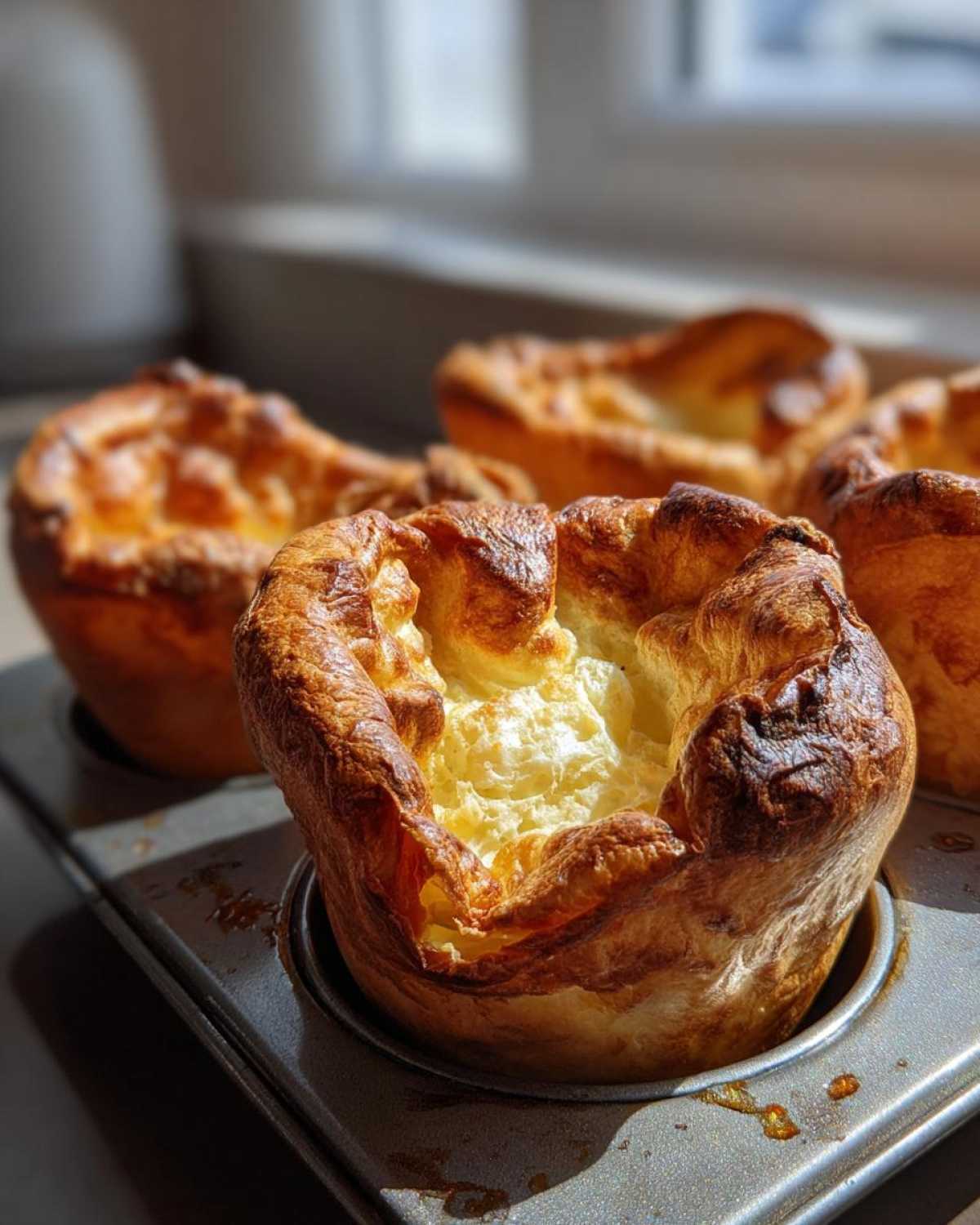
Listen, there are a thousand recipes out there promising the fluffiest Yorkshire puddings, but most of them skip the crucial science behind the dramatic puff. This recipe isn’t about fancy ingredients; it’s about respecting the process. When we finally cracked the code, it wasn’t just the flour or the milk—it was the temperature differences that mattered most. That intense heat causes the water in the batter to instantly convert to steam, pushing those walls up high. If you follow these precise steps, your puddings will be unbelievably crispy on the outside while maintaining that light, airy, almost hollow center. Forget failures; we’re aiming for **Fluffy Yorkshire Puddings** that are golden towers built for gravy! If you want more structured advice on what we’ve learned, check out our general blog roll.
The Secrets to Achieving Tall Yorkshire Puddings
I learned this the hard way when I tried to sneak a peek too early! The success of tall **Crispy Yorkshire Puddings** hangs on three non-negotiable factors. First, the batter must be cold—straight from the fridge! Second, the fat in the tin must be absolutely screaming hot, almost smoking. Seriously, you need to feel that heat radiating off the tin. Finally, and this is the big one: Do not, under any circumstances, open the oven door while they are rising. That sudden rush of cool air collapses the structure immediately. Stick to these three rules, and you are golden.
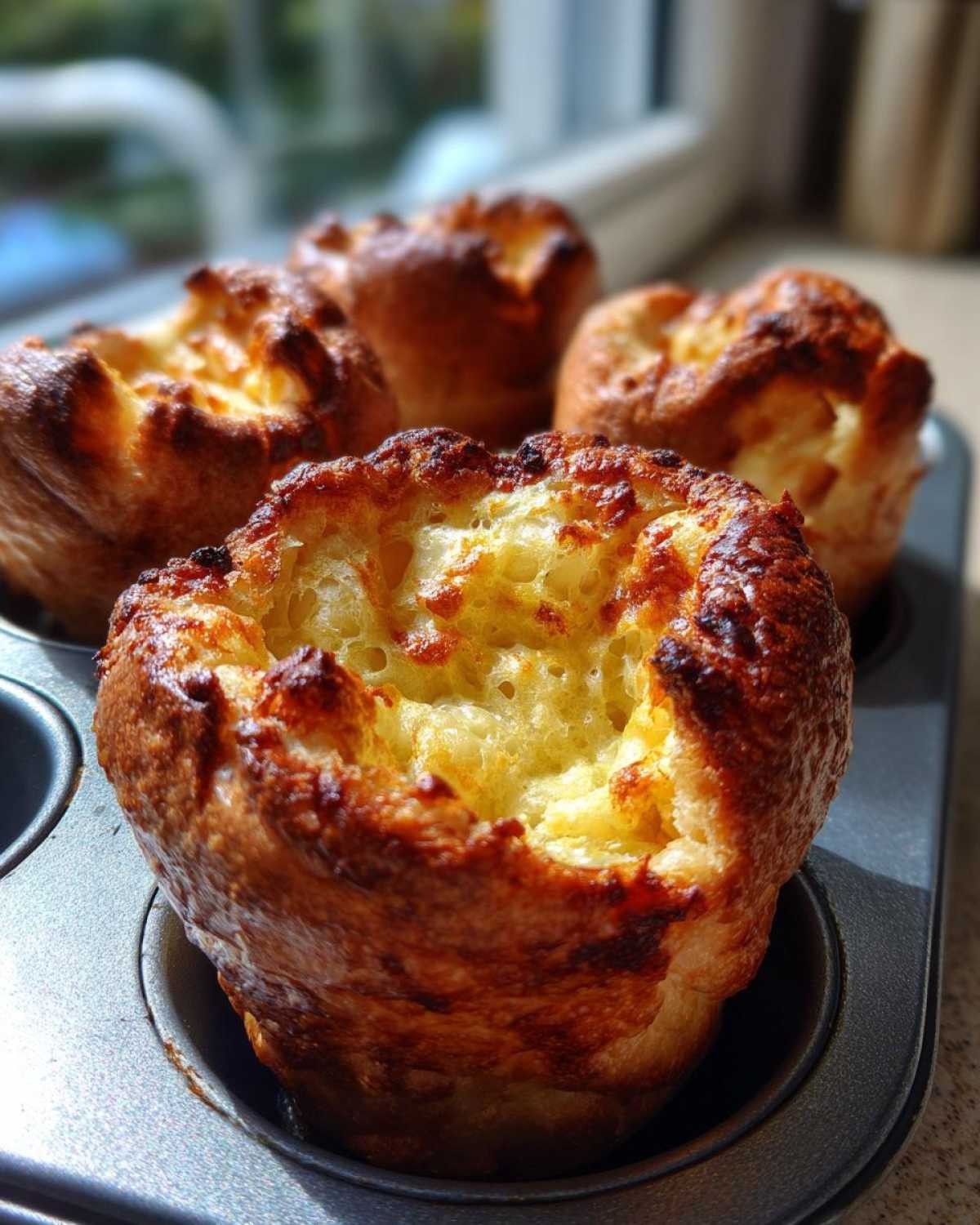
Ingredients for Foolproof Yorkshire Puddings
This is where Ethan usually shines, because boy does he love his exact measurements! The beautiful thing about a **Classic English Recipes** side dish like this is that it relies on very humble, everyday things. You actually don’t need anything fussy, which is why this recipe is fantastic when money is tight. We just need clarity on what goes in so we nail that perfect rise.
Ingredient Clarity and Measurements
For the batter, stick to the flour and milk being equal parts—that ratio provides the right viscosity for aeration. Do not grab reduced-fat milk; we need the richness of whole milk to help everything crisp up nicely. While I prefer the deep, traditional flavor, Ethan will tell you that using a neutral vegetable oil works perfectly well if you’re avoiding animal fats, but honestly, beef dripping creates the best flavor profile for your **Yorkshire pudding**!
- 4 large eggs
- 1 cup all-purpose flour
- 1 cup whole milk
- 1/2 teaspoon salt
- 1/2 cup beef dripping or vegetable oil (this is for the tin, not the batter!)
How to Make Yorkshire Puddings: Step-by-Step Instructions
Alright, let’s get down to the serious business of making these pop. Cooking is fun, but when it comes to a classic British side dish, we need structure! This process looks short on paper, but giving each step the time it deserves is what seals the deal for those beautiful, **Golden Brown Puddings**.
Mixing the Easy Yorkshire Pudding Batter and Resting
First things first, we mix! Whisk those four eggs, the flour, and salt vigorously until you think you’ve beaten out every lump. Then, slowly introduce the whole milk while you keep whisking. You want an **Easy Yorkshire Pudding Batter** that looks thin, kind of like heavy cream, but totally smooth. Now comes the part I try to rush and Ethan yells at me for: the rest! Cover it up and let that batter chill in the fridge for at least half an hour. Honestly, letting the flour properly hydrate for an hour or two gives you a better lift. Don’t skip the rest! This batter technique is almost as soothing as making our homemade naan bread.
The Critical Step: Heating the Fat for Perfect Yorkshire Puddings
This is where professional chefs and home cooks separate right here! You need to put your tin—muffin tin or specialized large tin—into the oven while it gets up to a fierce 450°F (230°C), loaded up with your fat. We’re talking ripping hot; the fat needs to be shimmering and maybe just starting to smoke. When you pull that sizzling tin out, you must work quickly! Pour the cold batter evenly into the holes. That shocking temperature difference between the cold liquid and the hot fat is what creates the initial explosive rise you’re aiming for in your **Yorkshire pudding**. Trust me, this fast transfer is essential for the foolproof result you want.
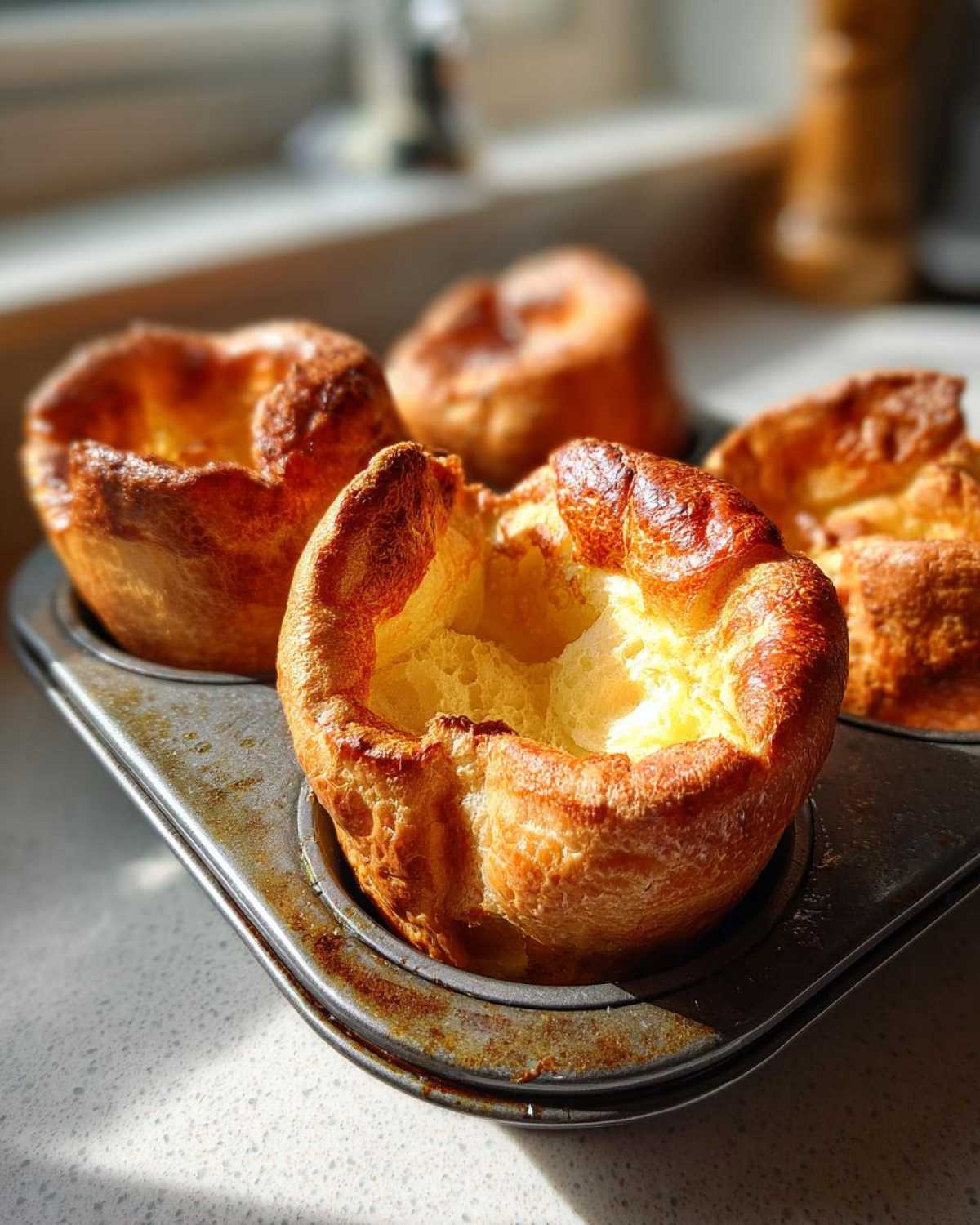
Baking for Maximum Rise
As soon as that batter hits that hot fat, back in the oven it goes. And I mean *immediately* back in. Now, you have to listen to me very carefully: Do not open the oven door for the first 20 minutes—I mean it! If you crack it open, they will deflate faster than a leaky balloon. Keep the heat locked in so they can puff up into those glorious, puffy shapes. They generally need 20 to 25 minutes total until they are deep golden brown and wonderfully crisp on the outside. If you’re following along with the method from Serious Eats, remember that high heat is the goal! Check out their advice on popovers for extra context.
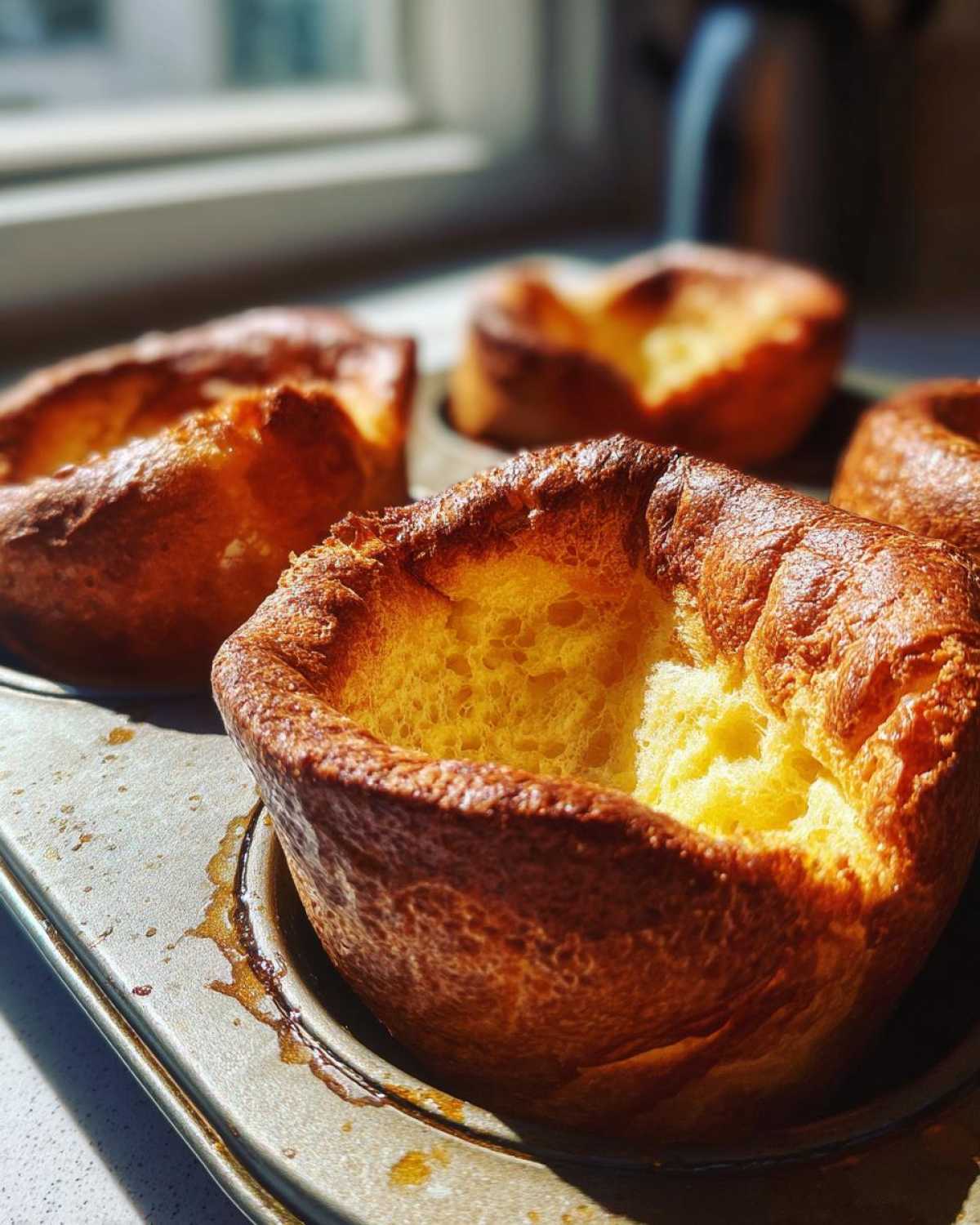
Yorkshire Pudding Tips and Tricks for a Traditional British Side Dish
Even with a great recipe, sometimes you hit a snag, right? That’s where understanding the little quirks of a **Traditional British Side Dish** comes in handy. If your puddings are sinking—that awful soggy bottom scenario—it almost always comes down to heat management. Either your fat wasn’t hot enough at the start, or you opened the oven door too soon while they were still setting! Another common issue is batter texture; remember, it needs to be thin enough to pour like heavy cream, which is why resting the batter is so important for hydration.
I know some of you are curious about celebrity methods, and yes, people often ask about the Gordon Ramsay Yorkshire Pudding approach. His technique is basically an extreme version of ours: max heat and absolutely zero interference! It’s all about blasting that batter with searing heat. Whether you’re making these for a simple Sunday roast or a huge holiday feast, mastering these fundamentals ensures your **Yorkshire pudding** achieves that towering, golden perfection every single time. If you like quick, flavorful sides, check out my stir-fry recipe too!
Variations on the Classic Yorkshire Pudding
While I absolutely stand by the recipe above for classic, tall, homemade puddings, I know not everyone wants the same size, and some folks have dietary stuff they need to think about! It’s great that this base recipe is so flexible, giving us room to play without sacrificing that essential crispiness. It’s all about temperature control, no matter the tin size!
If you’re hosting a big dinner party, making **Individual Yorkshire Puddings** is often easier for serving because they cook evenly and guests get their own perfect puff. Just remember that when you use a standard muffin tin instead of a larger 4-hole tin, you might need to lower your expectations slightly on height, but the baking time stays pretty similar as long as the fat is hot enough!
Also, I often get questions about making these **Gluten Free Yorkshire Pudding** options for friends who need them. The good news is that the structure relies heavily on the egg, milk, and fat, so swapping standard flour for a good quality gluten-free blend usually works fine! Just be extra careful resting the batter to let that alternative flour hydrate properly. You can find a great resource for those dietary swaps right here. Whether you make them huge or small, the goal is always the same: that satisfyingly crunchy outside holding a fluffy center.
We love switching up the flavor in smaller batches sometimes, too. We tried adding a tiny bit of finely chopped fresh rosemary into the cold batter once when making them—wow, the aroma was incredible! It pairs almost as well with savory dishes as our favorite cherry cake pairs with a dollop of cream. But honestly, for a true Sunday Roast, nothing beats the original **Yorkshire pudding**!
Serving Suggestions for Your Yorkshire Pudding
The truth is, a perfect **Yorkshire pudding** is rarely the star of the show—it’s the ultimate team player! This is the quintessential **Roast Dinner Accompaniment**, and it just sits there, begging for flavor to soak into its crispy, buttery crevices. Obviously, they were created to go with roast beef, and honestly, nothing beats a thick slice of perfectly cooked prime rib alongside one of these golden puffs.
But don’t stop there! They are fantastic with roast chicken, roasted lamb, or even chunky sausages if you’re having a simpler Sunday setup. My personal obsession, which Ethan rolls his eyes at constantly, is making sure I have at least one pudding designated just for gravy. I don’t mean pouring gravy *on* it; I mean using a fully inflated, hollow **Yorkshire pudding** as a vessel to carry maximum amounts of savory liquid to my mouth. It’s glorious! If you’re looking for an amazing centerpiece to serve these alongside, you have to try Ethan’s recipe for his easy prime rib; the drippings alone make the pudding taste like a million bucks.
Storing and Reheating Crispy Yorkshire Puddings
I know, sometimes you make a huge batch, and honestly, they’re too good to waste! If you have leftovers, you absolutely must avoid the microwave. Seriously, don’t even think about it! The microwave brings back that spongy texture we worked so hard to eliminate from your **Yorkshire pudding**. For storage, let them cool completely, then pop them into an airtight container. When you want to bring them back to life, the oven is your only friend. Pop them directly onto a wire rack in a hot oven (about 375°F) for about 5 to 7 minutes until they are golden and crisp again. That blast of dry heat restores all that gorgeous crunch!
Frequently Asked Questions About Making Yorkshire Pudding
Okay, I know recipes are great, but sometimes you just have that one nagging question when you’re standing over the mixing bowl. We get asked these all the time by friends trying to get their own **Yorkshire pudding** technique down, so I figured we’d get them all down here. Don’t worry if you’ve had failures before; most of them are easily fixed once you know the “why” behind the step!
Can I use vegetable oil instead of beef dripping in my Yorkshire Pudding Recipe?
Absolutely, yes! This is one of the great things about this recipe being so budget-friendly—you can use regular vegetable oil or any high-smoke-point oil you have on hand. That addresses the cost-effectiveness question! However, I have to give Ethan’s historical preference here: traditionalists swear by beef dripping because it imparts a huge, savory flavor that vegetable oil just can’t match. If you roast beef, always save those drippings; they make the absolute **Best Yorkshire Pudding** flavor imaginable!
Why did my Yorkshire pudding sink after rising?
Ugh, the deflator! This is almost always down to one thing: opening the oven door too soon. Those walls are set by steam, but they aren’t structurally sound until they are fully cooked through and golden brown. If you peek before the 20-minute mark, that rush of cooler air hits the steam, and *poof*, down they go. Make sure your oven temperature is accurate, and just trust the process for the first twenty minutes. Don’t check, don’t peek, just bake!
What is the ideal resting time for the Easy Yorkshire Pudding Batter?
For an **Easy Yorkshire Pudding Batter**, the minimum rest time I go for is 30 minutes in the fridge. However, if you can manage it, resting it for a full hour or even up to four hours is even better. That time allows the starch molecules in the flour to fully absorb the liquid. When the flour is hydrated, it creates a more stable network that traps steam way better, leading to those super **Fluffy Yorkshire Puddings** you are dreaming of. It’s a small time investment for a massive payoff!
If you’re looking for more general reliable recipes that we rely on constantly, you should take a peek at our sweet potato pie guide—it’s dessert, but it’s equally foolproof!
Nutritional Information for This Homemade British Comfort Food
So, we’ve covered how to get those towering, crispy delights on your table, but let’s talk briefly about what you’re actually eating! Since this is a classic, simple recipe, the nutrition facts are pretty straightforward, though I swear the moment you switch from vegetable oil to actual beef dripping, the flavor jumps up 100%, and the fat content changes slightly too!
These estimates are calculated per pudding, assuming you get 12 puddings from the batch, and these averages rely on using a standard vegetable oil rather than dripping. Remember, these are just guidelines, as every cook’s portions vary, and you can see our full details on why in our disclaimer here.
- Serving Size: 1 pudding
- Calories: Approximately 150
- Protein: About 4g
- Total Fat: Around 9g (this is where the oil/dripping makes the biggest difference!)
- Carbohydrates: Roughly 14g
- Sugar: Very low, only about 2g
Basically, you get a great vehicle for gravy that fills you right up without weighing you down too much. When you’re making **homemade British comfort food**, you usually figure the happiness factor far outweighs the precise micro-nutrients, right? Now go put those beautiful things in the oven!
PrintThe Perfect Foolproof Yorkshire Pudding: Crispy Outside, Fluffy Inside

You can make tall, golden Yorkshire puddings that are crispy on the outside and wonderfully airy inside. This recipe uses simple ingredients and a few key secrets for a perfect rise every time, making it the best Yorkshire pudding for your Sunday roast.
- Prep Time: 10 min
- Cook Time: 25 min
- Total Time: 35 min
- Yield: 12 small puddings
- Category: Side Dish
- Method: Baking
- Cuisine: British
- Diet: Vegetarian
Ingredients
- 4 large eggs
- 1 cup all-purpose flour
- 1 cup whole milk
- 1/2 teaspoon salt
- 1/2 cup beef dripping or vegetable oil (for the tin)
Instructions
- Prepare the batter: Whisk the eggs, flour, and salt together in a bowl until smooth. Gradually whisk in the milk until you have a thin, lump-free batter, similar to thin cream.
- Rest the batter: Cover the batter and let it rest in the refrigerator for at least 30 minutes, or up to 4 hours. This step helps the flour hydrate and is key for a good rise.
- Preheat the oven and fat: Place 1/2 cup of beef dripping or oil into a 12-hole standard muffin tin (or a 4-hole large Yorkshire pudding tin). Place the tin in the oven and preheat to 450°F (230°C). The fat must be smoking hot before you add the batter.
- Pour the batter: Carefully remove the hot tin from the oven. Quickly and evenly divide the cold batter among the hot fat-filled holes. Work fast to keep the heat in the tin.
- Bake: Immediately place the tin back into the hot oven. Do not open the oven door for the first 20 minutes.
- Cook until puffed and golden: Bake for 20 to 25 minutes, or until the puddings are well-risen, deep golden brown, and crisp.
- Serve immediately: Remove from the oven and serve your fluffy Yorkshire puddings right away with gravy and your roast dinner.
Notes
- The secret to a great rise is using very cold batter poured into extremely hot fat.
- If you are making large individual puddings, use a 4-hole tin and increase the baking time slightly.
- For a cost-effective option, use vegetable oil instead of beef dripping, though dripping adds traditional flavor.
- If you want to try Gordon Ramsay’s method, ensure your oven temperature is high and you do not disturb the puddings while baking.
Nutrition
- Serving Size: 1 pudding
- Calories: 150
- Sugar: 2
- Sodium: 150
- Fat: 9
- Saturated Fat: 3
- Unsaturated Fat: 6
- Trans Fat: 0
- Carbohydrates: 14
- Fiber: 0
- Protein: 4
- Cholesterol: 75