

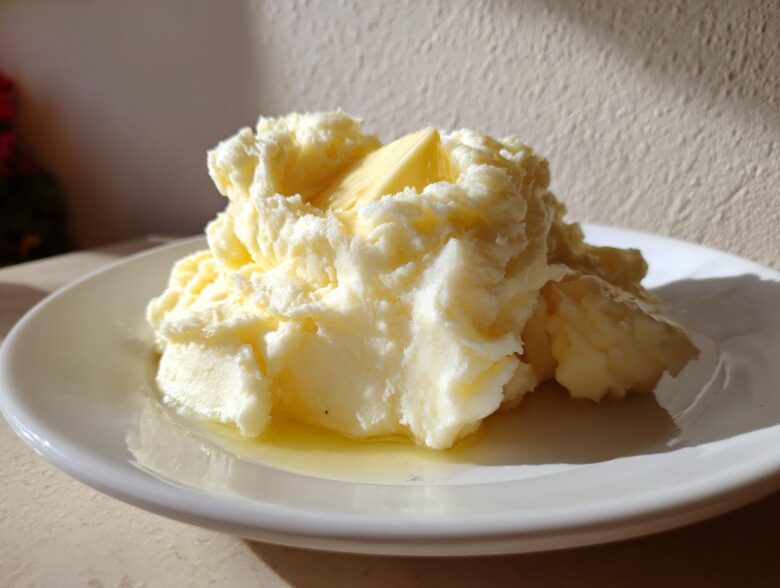
Listen, I’ve been down the road of sad, gluey, or watery mashed potatoes more times than I care to admit. It’s a holiday tragedy, right? But not anymore! After years of testing every potato type and fat ratio known to humankind in my kitchen, I finally cracked the code. This recipe isn’t just good; it’s the absolute standard for creamy mashed potatoes. The secret weapon? A surprise dollop of cream cheese! It melts down into the butter and cream, giving you that unbelievably rich, smooth, and totally lump-free finish. Trust me, once you try this ultra-creamy batch, you’ll never look back. If you want to dive deeper into other creamy options, check out my guide on the best creamy mashed potatoes recipe variations!
Why This Recipe Guarantees the Best Creamy Mashed Potatoes
So, what makes these the ultimate side dish? It really comes down to respecting the starch and adding just the right amount of decadence. I’ve tested everything—milk, half-and-half, different cooking times—and these steps are non-negotiable if you want truly creamy mashed potatoes every single time. Forget thin, watery clumps; we are aiming for cloud-like fluffiness that holds its shape until you scoop it.
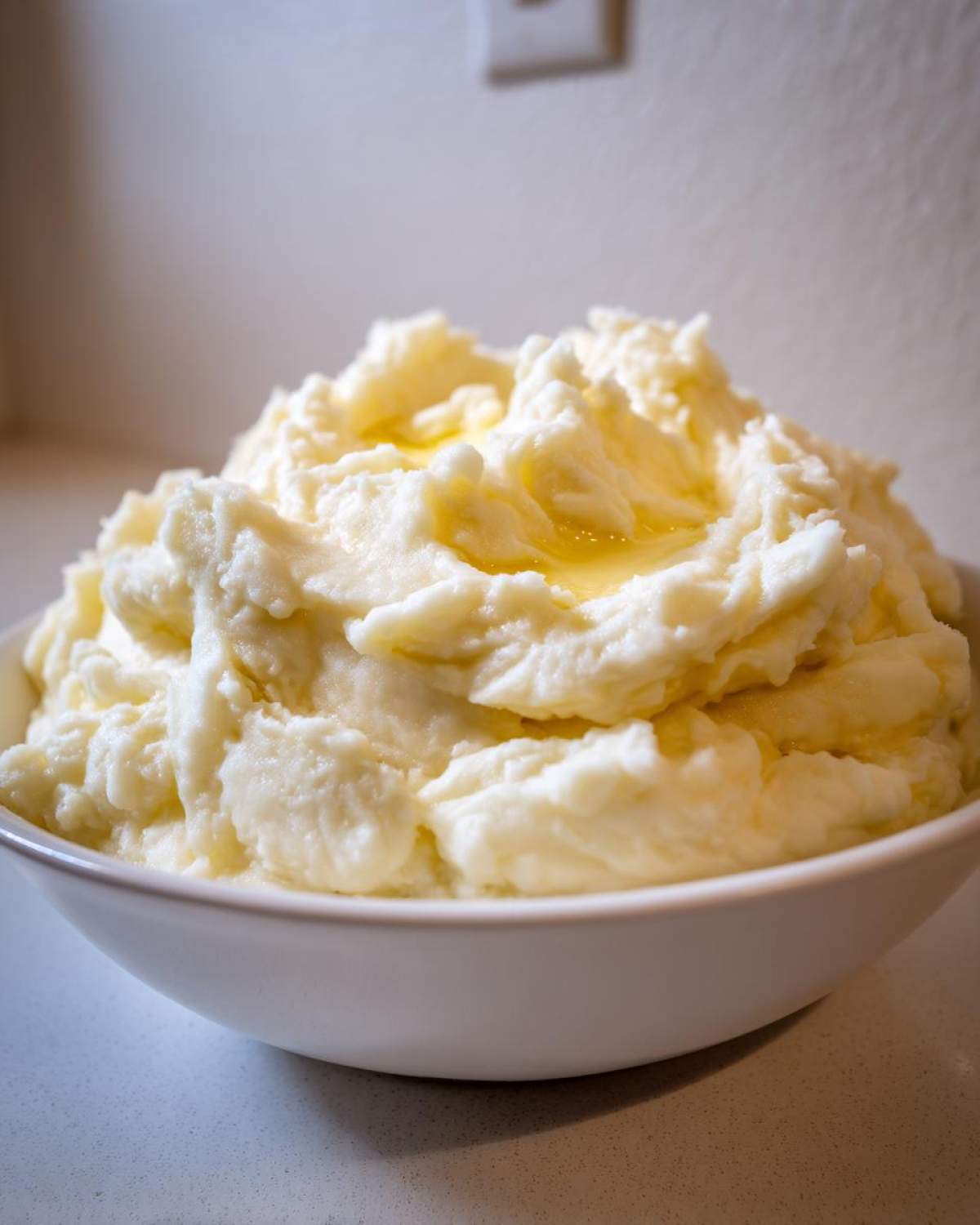
- The Fat Factor: We use three different fats—butter, heavy cream, AND cream cheese. That trifecta ensures zero starch grains are left feeling dry or gritty.
- Fluffy, Not Sticky: Every step focuses on keeping the cooked potato cells intact. Overworking them releases too much starch, turning your beautiful mash into glue.
- Richer Flavor Profile: The light tang from the cream cheese cuts through the richness of the butter, making the potatoes taste complex, not just heavy.
If you’ve struggled with stickiness before, my complete guide on lump-free mashed potatoes explains exactly what happens at the cellular level when you mix too vigorously!
The Secret to Ultra-Creamy Mashed Potatoes: Ingredient Selection
You can’t hide poor ingredient choices here; the potato needs help from its friends. Starchy potatoes are your best bet. I insist on Russets or Idaho potatoes because they break down beautifully, releasing lots of starch that creates that fluffy structure. If you use waxy potatoes, you’re going to end up with something much denser, which isn’t what we want for these creamy mashed potatoes.
Now let’s talk about the magic dairy additions. Heavy cream brings that luxurious mouthfeel, but the softened cream cheese is the real game-changer. You absolutely *must* ensure it’s softened to room temperature before you start. Chilly cream cheese will never fully incorporate, leaving you with little, cold pockets of cheese instead of that uniformly smooth texture we crave.
Achieving Restaurant Style Mashed Potatoes Texture
The most crucial part of the best mashed potatoes technique happens *before* you add any butter. Potatoes absorb water while boiling, right? If you mix those wet potatoes right away, you’re instantly making watery mash. That’s why draining them completely and letting them steam-dry in the hot pot is non-negotiable; it evaporates water content, leaving pure fluffy starch behind.
This leads us to the mashing tool itself. You can hand-mash, I won’t stop you, but if you want true perfection—that smooth, airy dream—invest in a potato ricer. A ricer pushes the hot potato through tiny holes, separating the starches gently. If you use an electric mixer or even a vigorous hand beater, you can turn this side dish into wallpaper paste instantly. Gentle hands, folks! Gentle hands!
Gathering Ingredients for Creamy Mashed Potatoes Recipe
Okay, time to get organized! When you’re aiming for the creamiest mashed potatoes, you need to have everything measured and ready to go before the potatoes even hit the water. It moves fast once they are drained, so being prepared means the difference between light, fluffy potatoes and a big, stressed-out mush pot!
Here’s exactly what I pull out for this recipe. And seriously, don’t try to substitute margarine for the butter here. You just won’t get the same rich flavor. Remember, the more thought you put into the ingredients, the better the results!
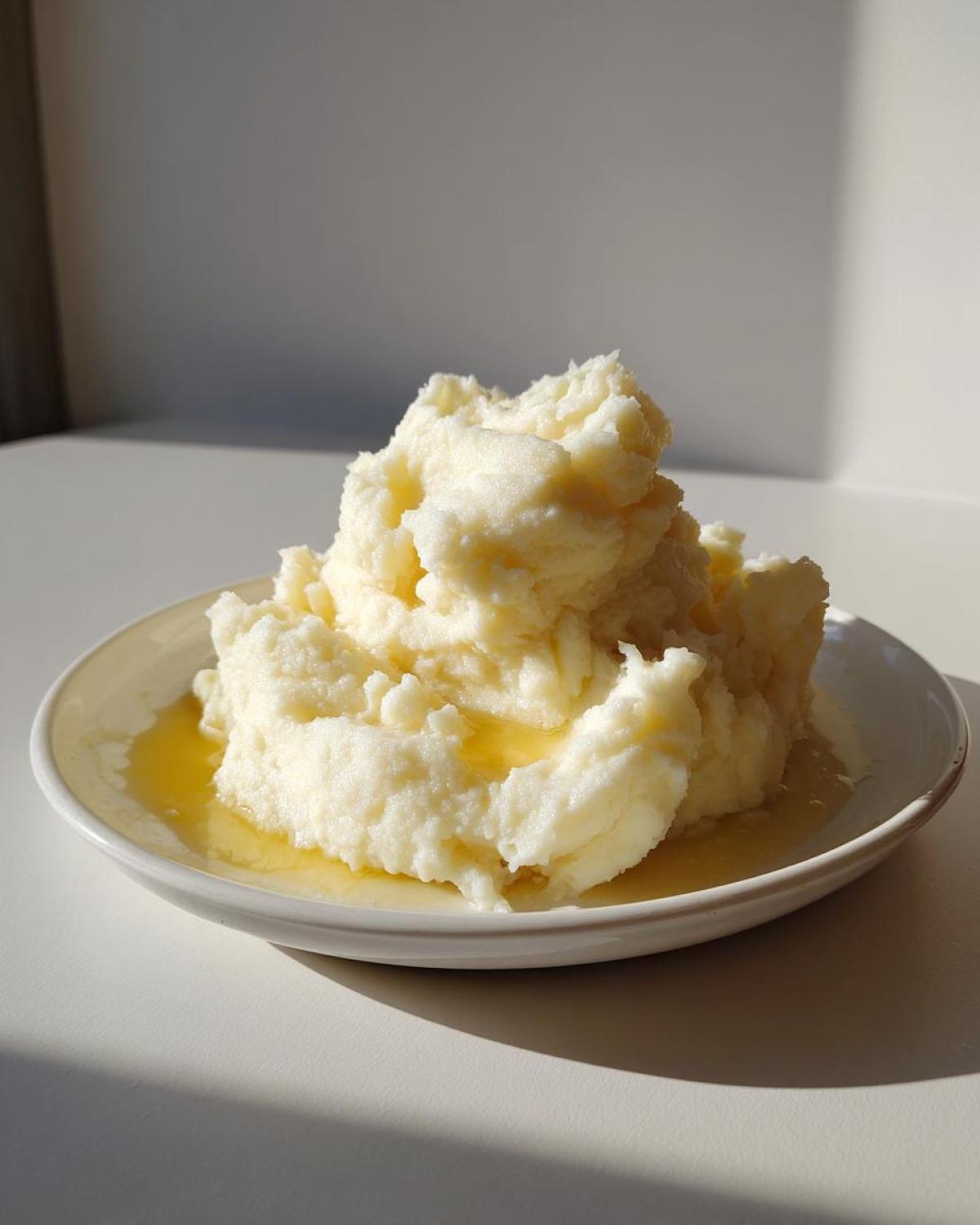
You can find some great accompaniment ideas, like roasted asparagus, to go alongside these amazing potatoes in my post on garlic herb roasted veggies.
- 3 lbs Russet potatoes, peeled and quartered
- 1 cup heavy cream
- 4 tablespoons unsalted butter, cut into pieces
- 4 ounces cream cheese, softened
- 1 teaspoon salt, plus more for boiling water (you need a generous amount in that water!)
- 1/2 teaspoon black pepper
- A tiny pinch of nutmeg (optional, but oh my goodness, it wakes up the flavor!)
Make sure that cream cheese is sitting out softening up for at least an hour before you start peeling. Cold ingredients will chill down your hot potatoes and we definitely don’t want that when trying to achieve peak creaminess!
Step-by-Step Instructions: How to Make Creamy Mashed Potatoes
This is where the technique really shines, so pay attention! Getting these timings right ensures you end up with that gorgeous, rich texture we’re after. Remember, we are moving quickly once those potatoes come out of the water, because heat is our friend right up until the final mix.
Preparing the Potatoes: Boiling for Perfect Softness
Start your potatoes in *cold* water—this is vital so they cook evenly from the outside to the dense center. And don’t be shy with the salt in the water! We want the potatoes to season from the inside out. Bring it all up to a steady boil and let them simmer away until a fork slides in with absolutely zero resistance. We are aiming for tender, not mushy. Aim for about 15 to 20 minutes of simmering time, depending on how big you cut those quarters.
The Critical Drying Stage for Creamy Mashed Potatoes
Okay, pull them out! Now for the part everyone rushes through, and where most people fail to make truly creamy mashed potatoes. Drain them totally in the colander, but don’t stop there. Return those hot, naked potatoes back to the empty pot. Set that pot back on the stove—even if it’s off, the residual heat is what we need—and let them sit, shaking occasionally, for about five minutes. This steaming process evaporates any trapped water clinging to the starch cells. Watery potatoes equal dull flavor, so this drying time is worth every second!
Warming the Dairy and Combining Ingredients
While the potatoes are drying, gently warm your heavy cream and butter together in a small pan until the butter melts. Remember, we aren’t boiling this—just warming it up! This keeps the heat consistent when everything meets the potatoes later. Once the potatoes are dry, take the pot *off* the heat and immediately mash them well. Add your softened cream cheese right into the hot mash; it will melt beautifully due to the residual heat.
Now, slowly start pouring in that warm cream/butter mixture while you stir with a wooden spoon. Stirring gently is key here to avoid whipping air into the starch, which causes stickiness. Once everything is incorporated and you’ve achieved that perfect, smooth look of creamy mashed potatoes, mix in your salt, pepper, and that little nutmeg kick. Taste it right there! Adjust seasoning before you serve them up warm.
Tips for Success with Your Homemade Mashed Potato Recipe
Okay, you’ve followed the steps to get that incredible smooth base, but I have a few final tricks up my sleeve—stuff I learned from trying every different method out there. These little tweaks take your excellent mash and boost it straight into incredible territory. Think of these as the final polish you put on a masterpiece to really make it shine!
First off, let’s talk about potato choice again, because it matters SO much for the texture. If you are hunting for that light, almost whipped result, you absolutely must stick to Russet or Idaho potatoes. I know Yukon Golds are popular because they are buttery and hold their shape nicely for roasting, but for mashing, they end up dense. You want the floury, starchy potato that crumbles apart when cooked; that starch is what gives you that incredible fluffiness.
Rice, Mash, or Whip? The Tool Debacle
I mentioned this before, but I really need to hammer this point home: the tool you use dictates the final texture. If you use an electric mixer or even a big powerful hand beater, you are basically making glue. The goal is to gently incorporate the warm dairy, not beat the life out of the cooked potato. My personal favorite for that restaurant style mashed potatoes smoothness is a potato ricer. It’s a bit fussy to clean, I won’t lie, but it forces the potato through little holes producing the airiest texture imaginable without overworking the starch.
If you only have a hand masher, that’s fine! Just mash until you get 90% of the lumps out, and then switch to a wooden spoon for the final, gentle folding stage when you add the warm cream mixture. Stop as soon as it looks combined.
Flavor Boosters: Don’t Skip the Optional Goodies
While the base recipe is rich and buttery, sometimes you want an extra layer of wow, especially if you’re serving this for a big holiday dinner. The nutmeg I mentioned earlier? That’s my secret for adding warmth without adding any more spice flavor, if that makes sense. It just brightens up the earthy potato flavor.
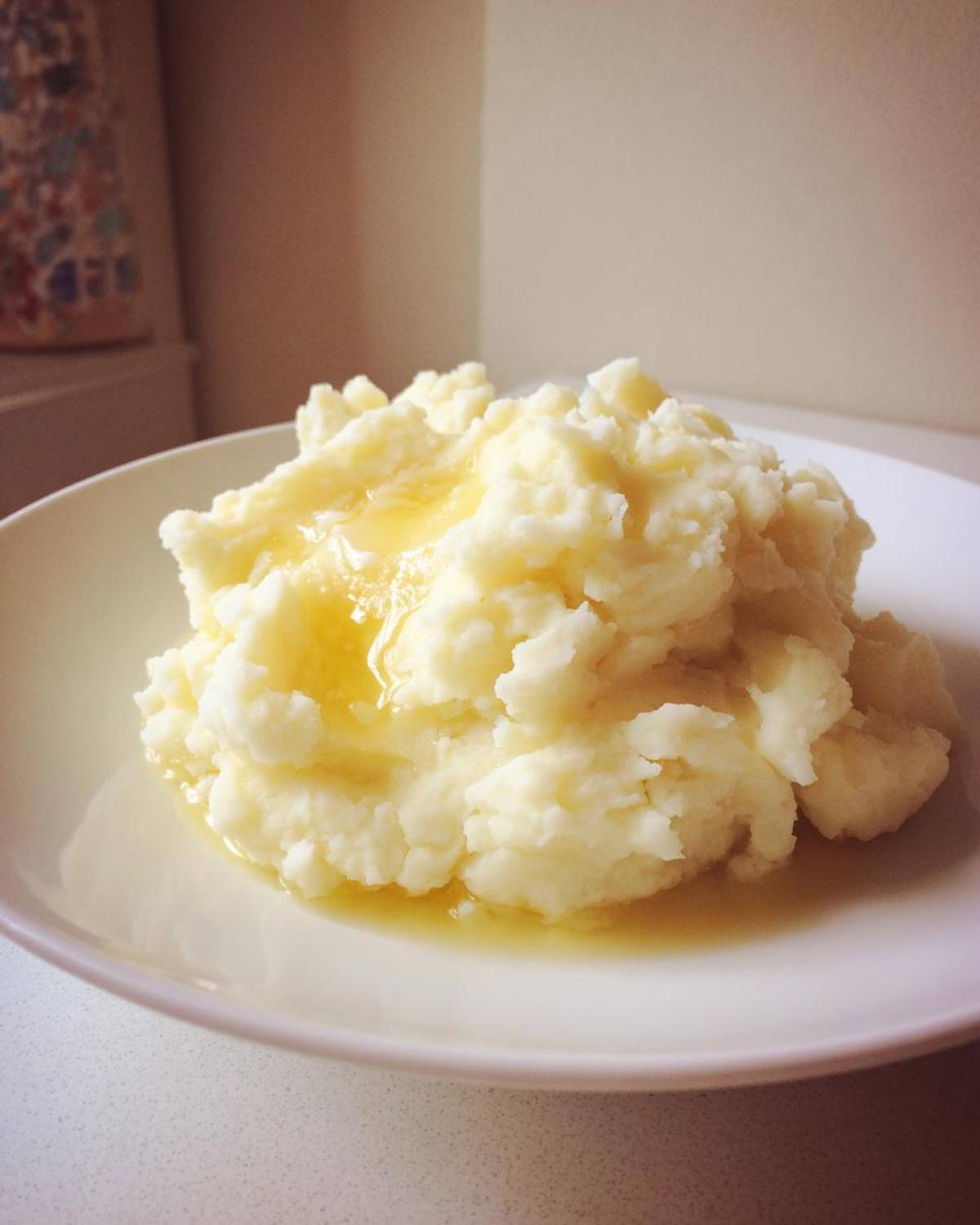
For those of you who prefer a savory punch—and I totally get it—try the garlic infusion! It’s so easy to do. Just crush a couple of cloves—no need to peel them if you’re removing them later—and drop them into the heavy cream while you are warming it up with the butter. Strain that cream mixture right before you pour it into the potatoes. It infuses the fat with the most gorgeous, subtle garlic aroma that permeates the whole batch. If you’re looking for other ways to incorporate delicious fats into your kitchen, you have to check out my recipe for French Onion Butter Rice; it uses a similar technique to infuse flavor into the liquid base!
Making Ahead and Storing Your Creamy Mashed Potatoes
I know, I know, the holidays are chaos! Trying to time everything perfectly on Thanksgiving or Christmas when you are busy wrestling with a turkey or baking pies is impossible. That’s why I love that this creamy mashed potatoes recipe plays nicely with prep time. You can absolutely make these ahead, which is a huge win for stress management!
Making Them Earlier in the Day
You can prepare the entire recipe right up until the very last step—the final addition of the warm cream and butter mixture. Once the potatoes are mashed with the cream cheese, stop there. Let the base cool slightly, cover the pot tightly, and store it in the fridge for up to two days. It cools down beautifully and holds its shape well.
When it’s time to serve, this is where you need to be careful to keep that amazing texture. We can’t just blast it in the microwave, or you’ll activate that starch and get gluey potatoes. Take the pot out of the fridge about an hour before you plan to reheat. In a separate little saucepan, gently warm up some extra heavy cream and butter—this mixture needs to be quite warm, almost steaming. Then, pour that warm dairy mixture into your cold mashed potato base and stir slowly over low heat until everything is creamy and smooth again.
Storing Leftovers for Later
If you have leftovers—which, let’s be honest, we always do—they store wonderfully in an airtight container in the fridge for about four days. If you want to keep them handy for a few days after the big meal, I’ve written down everything I know about how to keep them perfect in my guide on make ahead mashed potatoes.
To reheat larger batches, the stovetop method described above works best. If you are just reheating a single serving, you can use the microwave, but you must add an extra splash of milk or cream before heating, and you need to heat it low and slow, stirring every 30 seconds to prevent hot spots!
Serving Suggestions for Buttery Mashed Potatoes Side Dish
These are not just any potatoes; these are the fluffy, rich, buttery mashed potatoes side dish that deserves to be the star of the plate, not just a side note! When you put this much effort into achieving peak creaminess, you want to pair them with dishes that sing alongside that smooth texture. Honestly, they are perfect with almost anything savory, but a few pairings just scream comfort food perfection.
First, gravy. Gravy is mandatory. Whether you make a classic pan gravy from the drippings of a roast chicken or a mushroom-based vegetarian option, these potatoes are built to soak it all up. The slight tang from the cream cheese in the mash actually keeps the gravy from tasting too heavy overall, which is just genius!
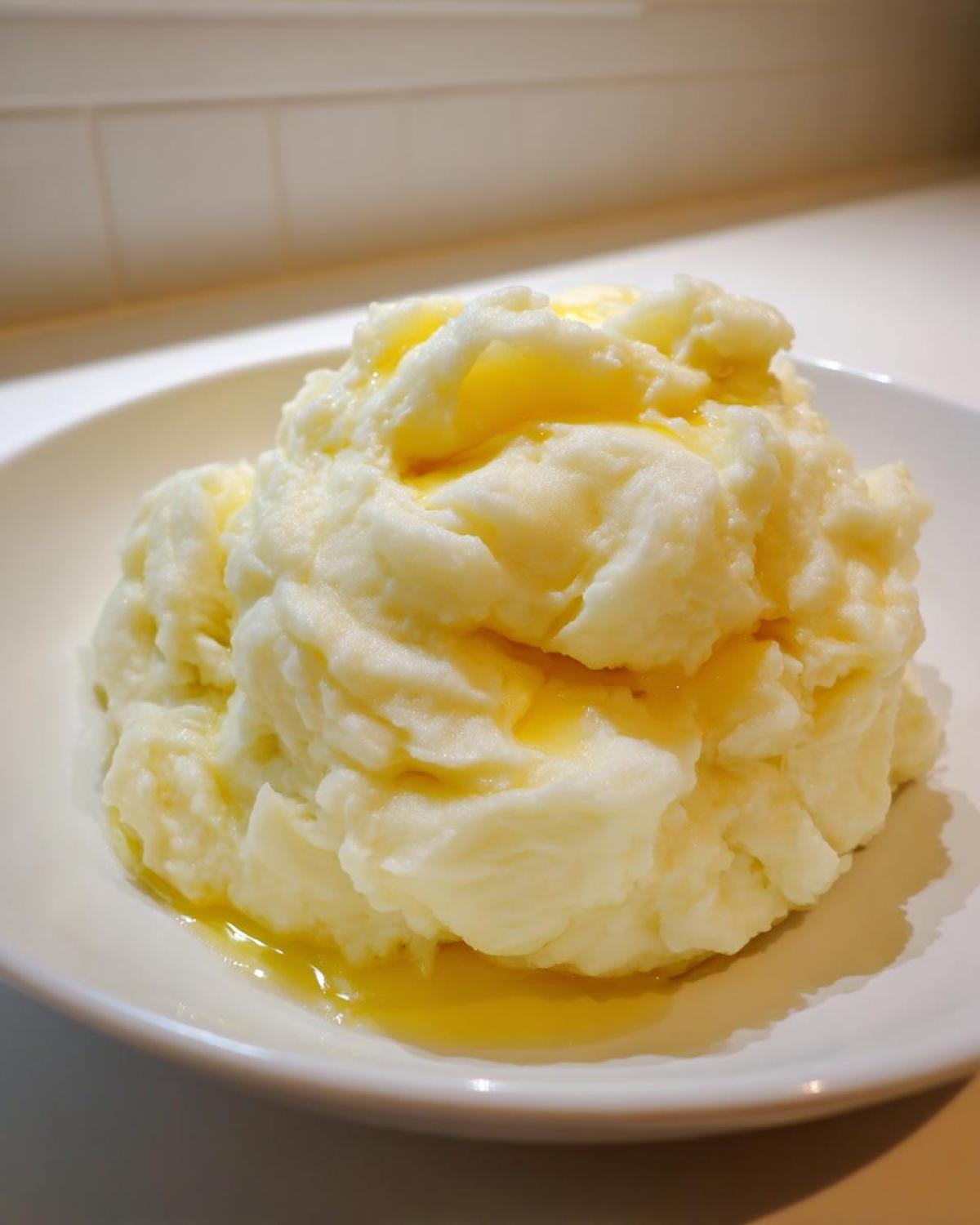
For holiday spreads, these ultra-rich servings absolutely elevate the whole table. They balance out salty, savory meats beautifully. If you’re thinking about a big roast for your next gathering, you must check out my recipe for the Prime Rib with Easy Garlic Herb Oven Roast—the drippings from that roast make the most incredible, light gravy for these potatoes.
But don’t relegate them just to big dinners! They are wonderful on a weeknight too. If you serve them alongside something simple like pan-seared pork chops or even just some lovely sauteed greens, the potatoes become the comforting anchor of the meal. They are so rich that you barely need any other heavy elements on the plate. Just scoop high and enjoy the smoothness!
Frequently Asked Questions About Perfect Potatoes
I get so many questions about adjustments because everyone wants their version of the ultimate comfort food potatoes to work in *their* kitchen. Texture is usually the big sticking point! Don’t worry if you need to swap an ingredient here or there. Here’s what I’ve learned from testing all those little changes over the years.
Can I use regular milk instead of heavy cream?
You can, but you’re going to lose that signature richness. Heavy cream has a much higher fat content, which is what cushions the starch particles and keeps your potatoes soft and luxurious. If you must substitute, use whole milk mixed with an extra tablespoon of butter to compensate for the lost fat. If you are trying to achieve whipped potatoes texture, avoid skim milk at all costs; it just doesn’t have the body we need!
How do I fix potatoes that turned out too thin or watery, maybe after adding sour cream?
Oops! This happens, usually because we didn’t dry the potatoes enough in Step 2. If they are too runny after you’ve added all the dairy, don’t panic! The best fix for thin mash is to use a bit of the stovetop trick: return the pot to very low heat and just keep stirring gently. Keep stirring and heating (stirring constantly so they don’t scorch on the bottom!) and some of that liquid will cook off, thickening the mash up as the starch reabsorbs the moisture. It takes patience, but it works!
Can I make these vegan for a dairy-free meal?
Yes, you totally can transition this into a fantastic vegan dish without losing that smooth texture! Swap the butter for a high-quality vegan butter block—make sure it’s one that performs well in baking. Instead of heavy cream and cream cheese, I use full-fat, unsweetened coconut cream (the thick solid part from the can) and about 2 ounces of vegan cream cheese substitute. It gives you that necessary fat density. They still come out tasting amazing, though they won’t have the slight lactic tang of the dairy version.
Can I use this method for quick, weeknight creamy mashed potatoes?
For a quick mashed potato recipe, you can definitely speed things up! Skip the drying step on the stovetop, and instead of boiling, microwave the potatoes. Pierce them well, wrap them in damp paper towels, and microwave until completely soft. This cuts out about 15 minutes of simmering, though admittedly, the microwaved ones are maybe 5% less fluffy than the boiled ones. Still super quick and satisfying!
If you’re looking for other simple, rich side dishes, you might love how decadent my creamy cheesy scalloped potatoes turn out!
Estimated Nutritional Data for Creamy Mashed Potatoes
Look, I’m not a nutritionist, and these are made with a generous amount of butter and cream cheese, so they are definitely on the rich side! These numbers are rough estimates based on the portion sizes and ingredients listed in this homemade mashed potato recipe. If you go heavy on the butter or decide to skip the cream cheese (shame on you if you do!), these values will shift, naturally.
Use this information just as a guideline! When you’re making the ultimate comfort food potatoes, you’re mostly focused on flavor and that perfect texture, right? But for those keeping track, here is the breakdown based on one cup serving size:
- Calories: Approximately 350
- Fat: Around 22g (with about 14g being Saturated Fat—that’s all that wonderful dairy working its magic!)
- Carbohydrates: About 34g
- Protein: Around 5g
- Fiber: About 3g
- Sugar: About 4g
- Cholesterol: Around 65mg
Remember, this is for a single, generous serving straight from the batch. Enjoy them because they are delicious! That’s the most important statistic for any truly great side dish.
Share Your Ultimate Comfort Food Potatoes Experience
Alright, that’s the whole journey into what I consider the gold standard for ultimate comfort food potatoes done! Now comes the best part: hearing about your results! Did you achieve that cloud-like fluffiness? Did the cream cheese melt seamlessly into the sauce? I truly want to know!
This recipe is a labor of love, and seeing how it turns out on your dinner table—especially if you’re whipping these up for a big holiday gathering—makes all the recipe testing worth it. Please, please, leave a rating below the recipe card!
And if you manage to nab a photo of your perfectly smooth, rich mash before everyone dives in with their gravy boats, tag me on social media! I absolutely love seeing your creations. You can also check out some of my favorite pairings for these rich sides when you’re planning your next big meal guide over in my post about the ultimate comfort food potatoes roundups!
Go forth and mash beautifully, my friends. Let me know how creamy they turned out!
PrintUltimate Ultra-Creamy Mashed Potatoes
A simple recipe for rich, smooth, and lump-free mashed potatoes using cream cheese and heavy cream for maximum creaminess.
- Prep Time: 15 min
- Cook Time: 25 min
- Total Time: 40 min
- Yield: 6 servings
- Category: Side Dish
- Method: Boiling and Mashing
- Cuisine: American
- Diet: Vegetarian
Ingredients
- 3 lbs Russet potatoes, peeled and quartered
- 1 cup heavy cream
- 4 tablespoons unsalted butter, cut into pieces
- 4 ounces cream cheese, softened
- 1 teaspoon salt, plus more for boiling water
- 1/2 teaspoon black pepper
- Pinch of nutmeg (optional)
Instructions
- Place the peeled and quartered potatoes in a large pot. Cover them with cold water by about one inch. Add 1 tablespoon of salt to the water.
- Bring the water to a boil over high heat. Reduce heat to maintain a steady simmer and cook until the potatoes are completely tender when pierced with a fork, about 15 to 20 minutes.
- Drain the potatoes thoroughly in a colander. Let them sit for 5 minutes to allow excess steam to escape. This step helps prevent watery potatoes.
- Return the drained potatoes to the hot, empty pot. Place the pot over low heat for 1 minute, shaking gently, to dry them out further. Remove from heat.
- In a small saucepan, gently warm the heavy cream and butter until the butter is melted. Do not boil.
- Add the softened cream cheese to the potatoes. Mash the potatoes using a potato masher or ricer until mostly smooth.
- Gradually pour the warm cream and butter mixture into the potatoes while stirring constantly with a wooden spoon or spatula until just combined and creamy. Avoid overmixing.
- Stir in the salt, pepper, and nutmeg, if using. Taste and adjust seasoning as needed. Serve immediately for the best texture.
Notes
- Use starchy potatoes like Russets or Idaho for the fluffiest results. Waxy potatoes (like Yukon Gold) yield a denser mash.
- For restaurant-style smoothness, press the cooked potatoes through a potato ricer before adding liquids.
- If you prefer a garlic flavor, simmer 2 cloves of crushed garlic in the heavy cream mixture before adding it to the potatoes.
Nutrition
- Serving Size: 1 cup
- Calories: 350
- Sugar: 4
- Sodium: 450
- Fat: 22
- Saturated Fat: 14
- Unsaturated Fat: 8
- Trans Fat: 0.5
- Carbohydrates: 34
- Fiber: 3
- Protein: 5
- Cholesterol: 65