

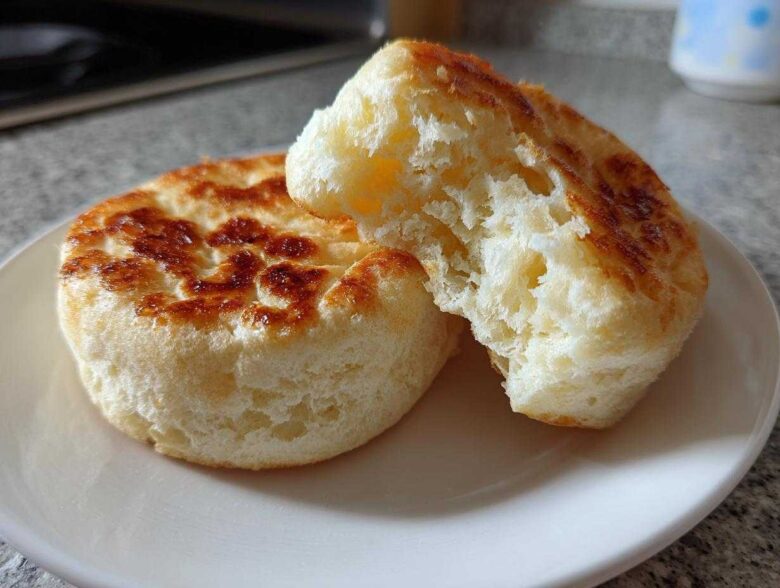
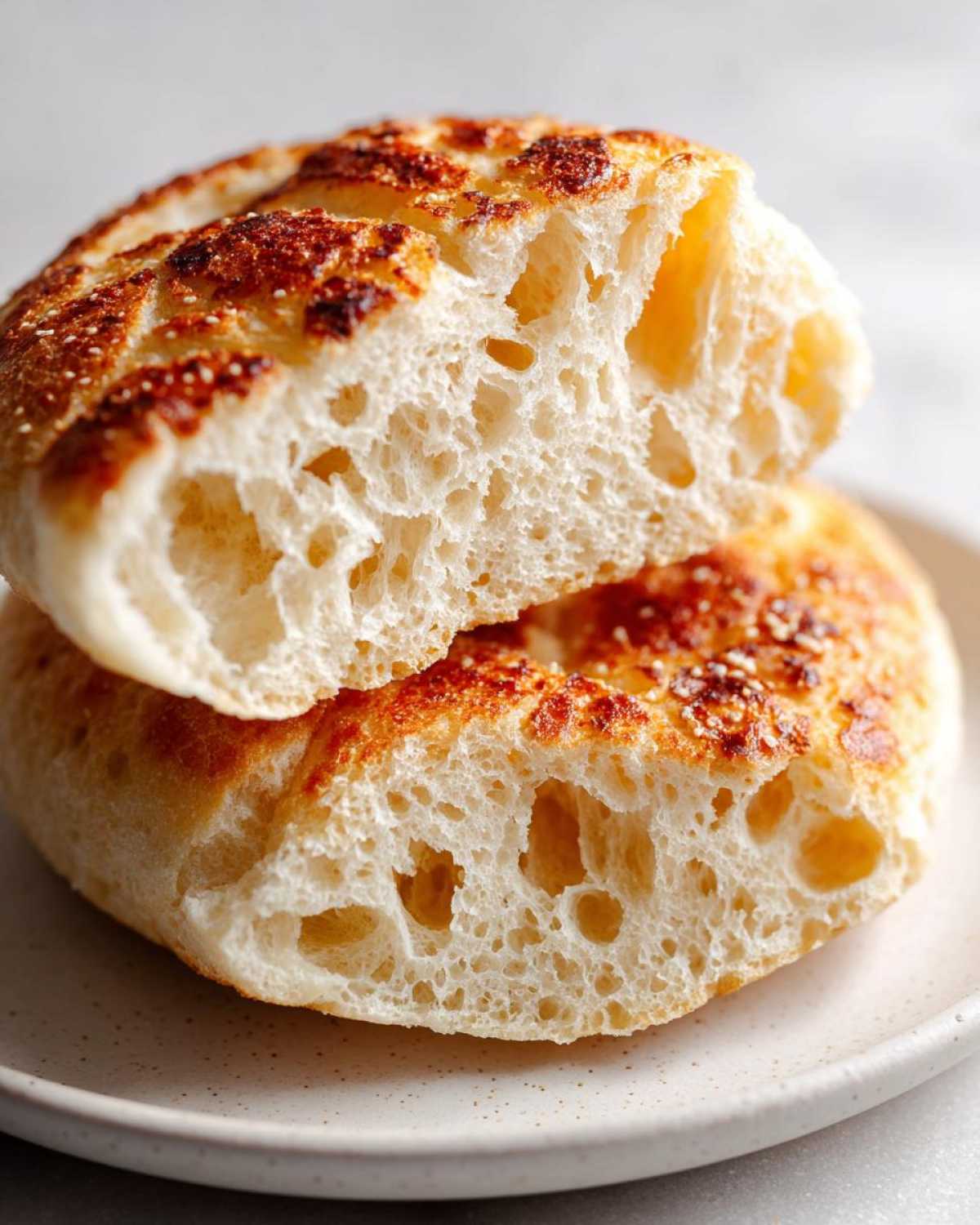
Oh, you are going to LOVE this. Forget the store-bought stuff that tastes like cardboard discs! There is nothing—and I mean nothing—better than pulling your own fresh breakfast bread off the skillet. We are talking about the ultimate comfort food here: homemade english muffins that actually have those deep, glorious little holes inside. Yes, the famous nooks and crannies! I spent way too long trying to bake these in the oven, but trust me, mastering the stovetop method is the secret sauce. These buttermilk rounds are soft, fluffy, and come out perfect every single time.
Why This is the Best English Muffin Recipe From Scratch
I stand by this one a thousand times over. If you’re looking for the best homemade breakfast bread experience, this buttermilk recipe is it. Why is it the best english muffin recipe from scratch? It comes down to two non-negotiable steps. First, the buttermilk! It reacts with our leaveners to create the most tender, soft crumb imaginable. Second, we skip the oven entirely and go stovetop. Cooking them low and slow on a dry skillet is what creates that gorgeous golden exterior and cooks the center just right.
- The buttermilk guarantees we get that fluffy texture.
- The dry griddle cooking mimics true bakery style.
- They are incredibly quick since there’s no long kneading or rising!
Achieving Perfect English Muffin Nooks and Crannies
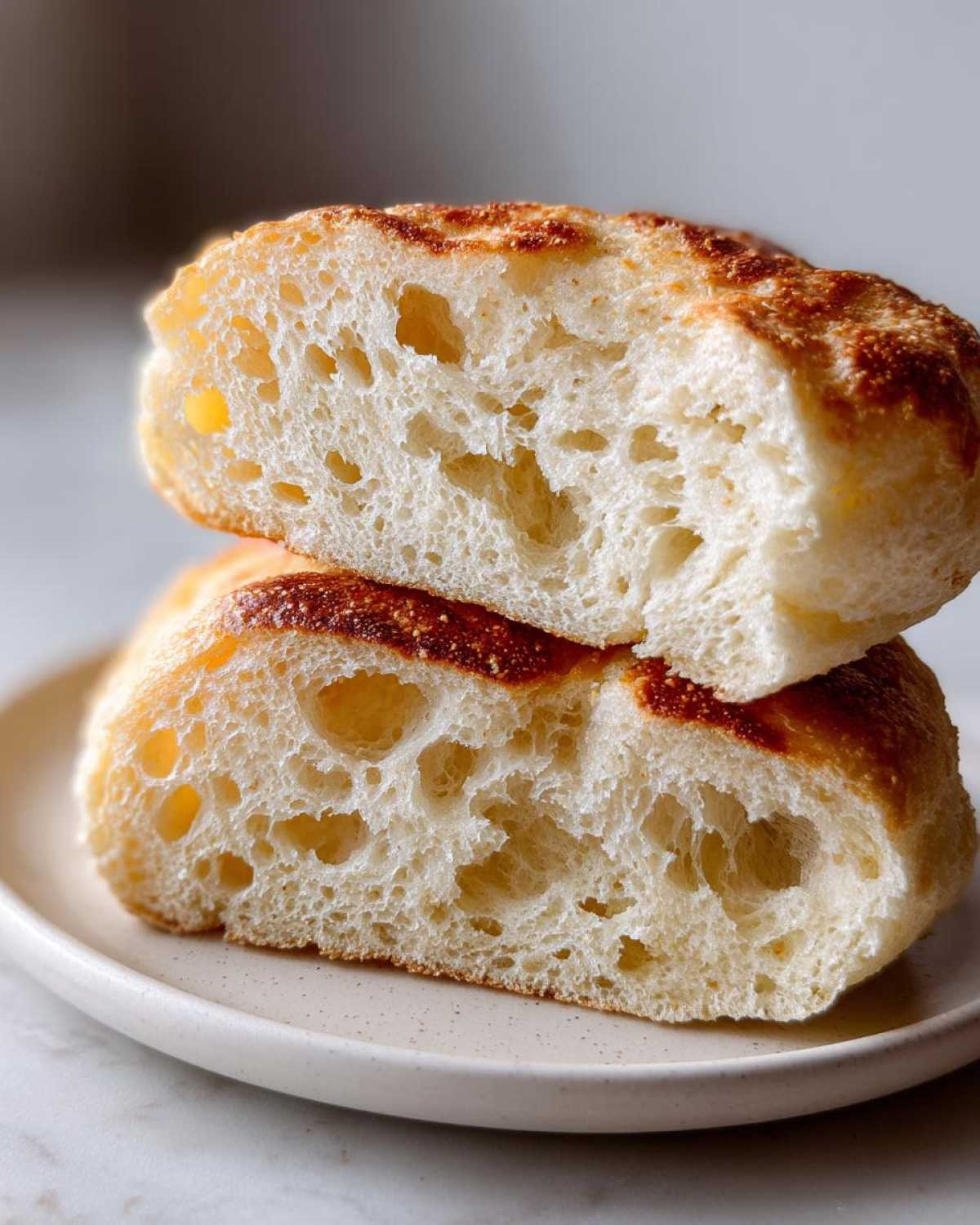
This is where people mess up, but we won’t! The secret to those delicious little tunnels—the nooks and crannies—is all about controlling gluten. We mix the ingredients just until they barely come together. If you start kneading this dough like you’re making a pizza crust, you’ll kill all the air pockets before they even hit the pan. We are relying on the chemical reaction between the acidic buttermilk and the baking soda/powder. This quick rise created by those two agents is what puffs up those little crevices while the outside cooks gently on the griddle. Don’t even think about overmixing!
Ingredients for Soft Fluffy English Muffins
Grab your mixing bowls because the ingredient list for these soft fluffy english muffins is super straightforward! You probably have most of this in your pantry right now. The only thing you absolutely cannot compromise on is the buttermilk. Please, please make sure it’s room temperature! Cold buttermilk chills the melted butter and messes with the dough texture right away. If the butter hardens up, your final muffins won’t be nearly as tender.
- 2 cups all-purpose flour (just regular white flour is fine)
- 1 tablespoon sugar (it helps with browning, too!)
- 1 teaspoon salt
- 1 teaspoon baking soda
- 1 teaspoon baking powder
- 1 cup buttermilk, room temperature (Don’t skip this note!)
- 2 tablespoons unsalted butter, melted, plus more for greasing the tray
- Cornmeal, for dusting the pan—this is important for keeping them from sticking!
How to Make English Muffins: Step-by-Step Instructions
Okay, are you ready to see this magic happen? This is exactly how to make english muffins and it’s easier than you think, provided you listen to my warnings about gentleness! We move fast in the mixing stage so those air bubbles don’t get knocked out before they even start working for us.
Mixing the Dough and Cutting the English Muffin Rounds
First, we marry the dry ingredients in a big bowl—flour, sugar, powders, salt—just whisk them around so they’re happy together. Then, whisk your room-temp buttermilk and melted butter in another bowl. Now, pour the wet into the dry and mix with a wooden spoon until they’ve just met. Seriously, stop mixing when you still see a few dry streaks! This dough is going to be sticky and weird, and that’s good. Dump it out gently onto a lightly floured surface and flatten it with your hands until it’s about 3/4 of an inch thick. Use your 3-inch cutter and press straight down—don’t twist! Reroll those little scraps only once, then dust your pan generously with cornmeal and place the rounds on top. Cover loosely and let them chill out for just 30 minutes.
Cooking Your Stovetop English Muffins Perfectly
This next part decides everything! You need a big cast-iron skillet or griddle, and this is key: DO NOT ADD ANY BUTTER OR OIL. Heat it over medium-low heat. I repeat—medium-low! If the pan is too hot, the outside burns before the inside cooks, and you’ll have raw dough tunnels. Once the pan is warm, carefully place the cornmeal-dusted muffins right onto the dry surface, leaving space between them. Now, be patient! Let them cook for a full 8 to 10 minutes on the first side. You are looking for a deep, beautiful golden brown color—not dark brown. Flip them gently and cook the other side for another 8 to 10 minutes until they look identical. If your heat is too high, kill it down immediately! As soon as they look perfect, pull them off and set them on a wire rack to cool completely before splitting them. You’ll want to try splitting them open with a fork to reveal those amazing inner textures, just like you see here after making homemade griddle bread.
Tips for Perfect Homemade English Muffins
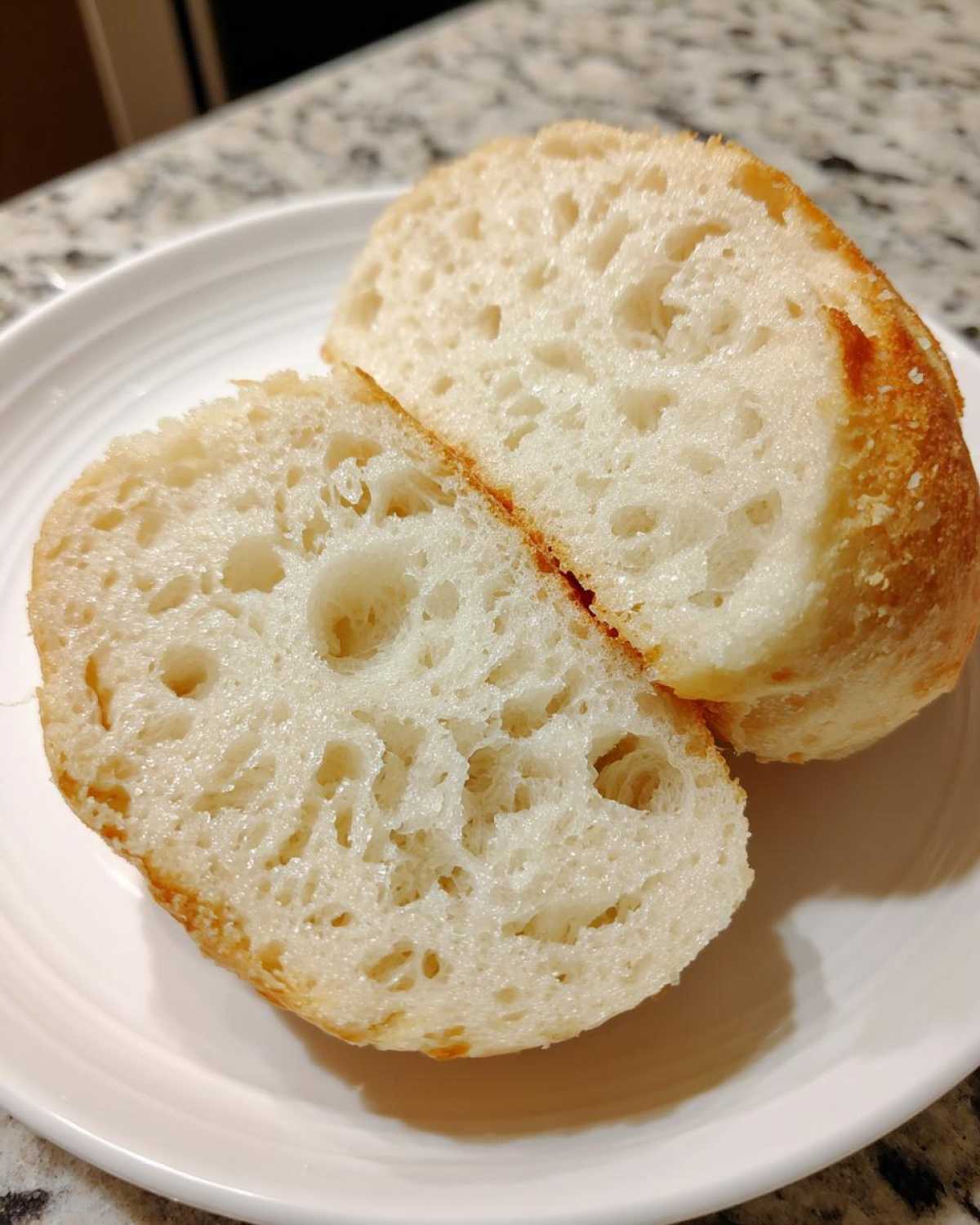
Once you nail the cooking heat, these muffins basically make themselves, but I have a few extra little tricks I’ve learned over the years to guarantee success. First, forget the knife when you slice them open for toasting! A dull knife squishes those beautiful air pockets right shut. You absolutely must use a fork to gently pierce the edges and pull them apart. This opens up all those precious crevices for the butter to seep into later.
Also, don’t skimp on the cornmeal dusting on the baking sheet, which helps with that non-stick release later. A light dusting on your work surface is good, but you want a good blanket on the tray where they rest and cook. Trust me, those little crumbs toast up beautifully on the skillet but they need a protective layer underneath. If you want to dive deeper into less traditional loaves, check out my post on easy no-knead artisan bread next!
Storage and Freezer Friendly English Muffin Tips
These are genuinely amazing for meal prep, which makes them perfect for busy mornings. If you have leftovers—which is rare at my house, honestly!—they store beautifully. After they are completely cool (this is critical, otherwise they steam and get soggy), you can keep them in an airtight container on the counter for about two days. But the real game changer is the freezer!
These are super freezer friendly english muffins. Cool them totally, split them open with your fork (remember that rule!), then place them in a heavy-duty freezer bag. Pop them in for up to three months. When you want one, don’t even bother thawing it! Just take two, pop them straight onto the toaster rack, and you’ll have a perfect, warm, nooks-and-crannies breakfast in minutes. It’s like having easy, homemade breakfast on demand!
Quick English Muffin Ideas for Meals
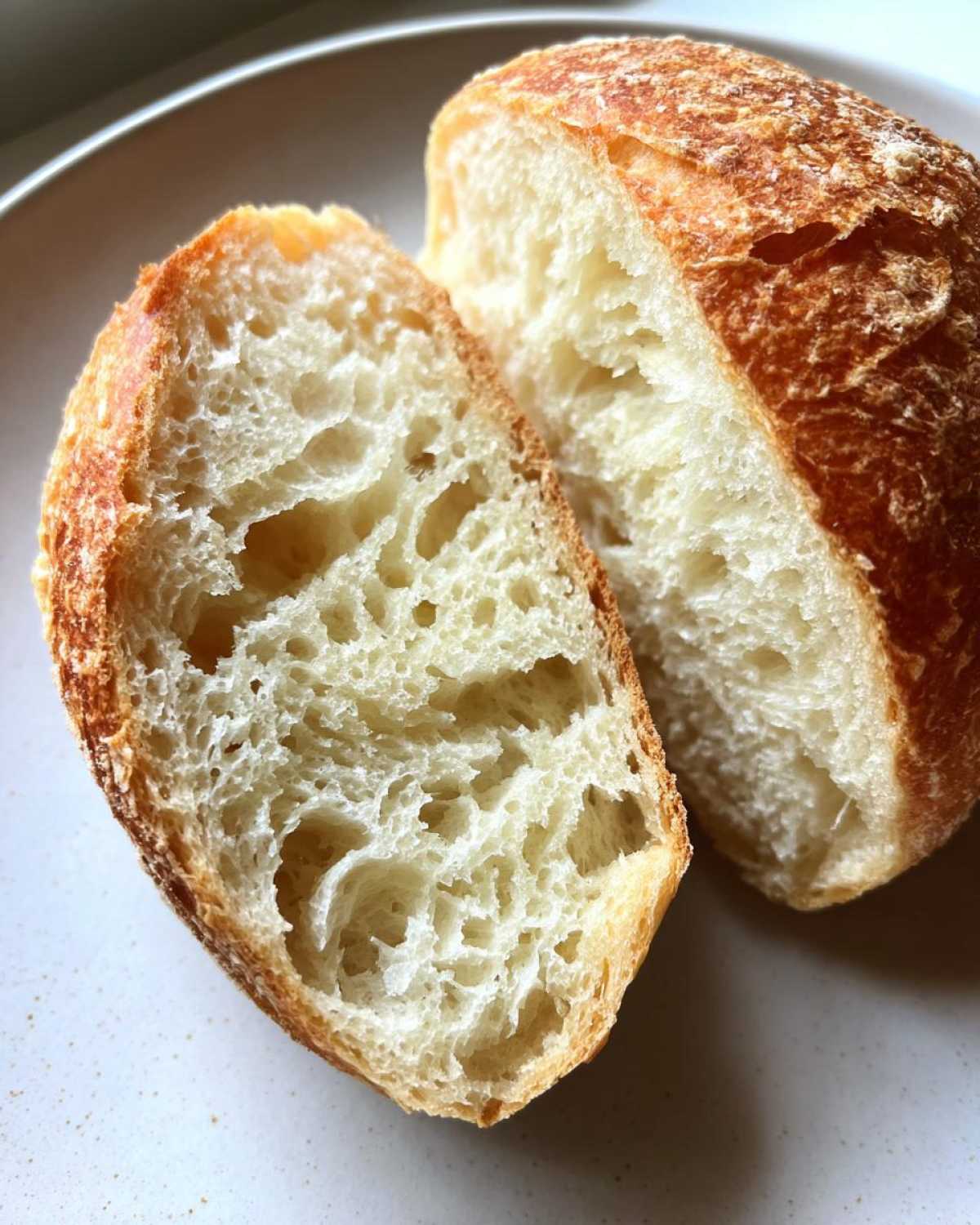
Once you have a stash of these golden rounds, suddenly, breakfast seems way more exciting! We all love them toasted with butter and jam, sure, but there’s so much more you can do with them when you need something fast. Because we cooked them low and slow, they are sturdy enough to handle toppings without falling apart—perfect for quick weeknight meals, too!
My absolute favorite thing is turning them into mini breakfast sandwiches. Fry up an egg and toss a slice of cheese on top, then squash it between two muffin halves. They hold everything together better than toast ever could! If you’re looking for a super simple dinner project, try making personal pizza bases. Toast your muffin lightly, spread a little sauce, cheese, and toppings, and run it under the broiler. They crisp up perfectly!
For something a little different, try using them as the base for Eggs Benedict—so much easier than making bread from scratch! Or even better for lunch, use them for mini melts. Just butter the outside like a grilled cheese and fill them with ham and cheddar. It’s practically professional-level brunch food made in five minutes. Check out my guide for quick easy pizza bagel ideas or my follow-up post on more quick pizza creations—you won’t regret it!
Frequently Asked Questions About Making English Muffins
I get so many questions about these little guys once people try making them. It’s exciting! Most of the things people worry about come down to the quick mix method, but I’ve got you covered. If you’re wondering if you can make these completely no knead english muffins, the answer is yes—because this recipe already requires almost no kneading!
Can I skip the buttermilk in this english muffin recipe?
You can, but I really, really advise against it if you want that perfect texture. If you absolutely must substitute, you can make your own buttermilk by taking 1 cup of whole milk and stirring in one tablespoon of white vinegar or lemon juice. Let it sit for five minutes until it curdles slightly. Using regular milk just won’t give you the necessary acid to react with the baking soda/powder, and your buttermilk english muffins will turn out denser and flatter.
Why are my homemade english muffins not getting nooks and crannies?
This is the number one complaint I hear, and almost always, it’s one of two things! Either you overmixed the dough, which develops the gluten and makes it too elastic to trap air, or your skillet was too hot. If the heat is too high, the outside cooks into a solid shield too fast, trapping steam inside that can’t escape sideways to form those lovely holes. Remember: medium-low heat and patience are your friends here!
Estimated Nutritional Data for Buttermilk English Muffins
I always try to keep a rough idea of what we’re eating, especially since these are such a fantastic way to start the day! Because we are using simple ingredients like flour, buttermilk, and just a touch of butter, these come in pretty reasonable for a homemade treat. They are surprisingly sturdy, which helps keep you full until lunch.
Here’s the rough breakdown for one of these fluffy beauties:
- Serving Size: 1 muffin
- Calories: Around 180
- Fat: About 4 grams
- Carbohydrates: 32 grams
- Protein: 5 grams
- Sugar: Just 2 grams!
- Sodium: Roughly 350mg
Remember, these numbers are just estimates based on the standard ingredients I use in my kitchen. If you load yours up with extra butter or use rich, full-fat buttermilk, the numbers will shift a little! For the official ingredient breakdown and ingredient sourcing notes, you can always check out my full nutritional disclaimer page.
Share Your Homemade English Muffin Creations
Now for the best part! I’ve given you my absolute best secrets for achieving those perfect, chewy, hole-filled English muffins right on your stovetop. I really, truly hope you give this recipe a whirl because seeing your breakfast success makes my day!
When you pull those golden rounds off the griddle, please come back here and tell me how it went! Drop a comment below and let me know what you thought. Did you get epic nooks and crannies? What toppings did you slather on first?
If you take a picture of your freshly toasted, buttered masterpieces—especially if you reveal those gorgeous holes—snap a picture and tag me on social media! I love cheering you on. Happy baking, and enjoy that amazing stack of homemade breakfast bread!
PrintHomemade Buttermilk English Muffins with Nooks and Crannies

Make soft, fluffy English muffins from scratch using buttermilk for a tender crumb and classic nooks and crannies. Cook these on the stovetop for an authentic texture.
- Prep Time: 15 min
- Cook Time: 20 min
- Total Time: 65 min
- Yield: 8 servings
- Category: Breakfast
- Method: Stovetop Griddling
- Cuisine: American
- Diet: Vegetarian
Ingredients
- 2 cups all-purpose flour
- 1 tablespoon sugar
- 1 teaspoon salt
- 1 teaspoon baking soda
- 1 teaspoon baking powder
- 1 cup buttermilk, room temperature
- 2 tablespoons unsalted butter, melted, plus more for greasing
- Cornmeal, for dusting
Instructions
- In a large bowl, whisk together the flour, sugar, salt, baking soda, and baking powder.
- In a separate bowl, whisk the buttermilk and melted butter.
- Pour the wet ingredients into the dry ingredients. Mix gently with a wooden spoon until just combined. Do not overmix; the dough will be sticky.
- Dust a clean surface lightly with flour. Turn the dough out and gently pat it into a 3/4-inch thick rectangle.
- Use a 3-inch round cutter to cut out the muffins. Reroll scraps once if needed.
- Generously dust a baking sheet or large tray with cornmeal. Place the cut dough rounds on the cornmeal, spacing them slightly apart.
- Cover the tray loosely with plastic wrap and let the muffins rest at room temperature for 30 minutes.
- Heat a large, dry cast-iron skillet or griddle over medium-low heat. The heat must be low to cook the inside properly.
- Carefully place the dough rounds onto the warm skillet, leaving space between them. Do not grease the skillet.
- Cook for 8 to 10 minutes per side, until golden brown and cooked through. If they brown too quickly, reduce the heat.
- Remove the muffins and let them cool completely on a wire rack.
- To serve, split the cooled muffins using a fork to preserve the nooks and crannies, then toast lightly.
Notes
- For best results, use room temperature buttermilk.
- Split the muffins with a fork instead of a knife to create more surface area for butter and toppings.
- These muffins freeze well; cool completely, place in an airtight freezer bag, and freeze for up to 3 months. Thaw overnight or toast directly from frozen.
Nutrition
- Serving Size: 1 muffin
- Calories: 180
- Sugar: 2
- Sodium: 350
- Fat: 4
- Saturated Fat: 2
- Unsaturated Fat: 2
- Trans Fat: 0
- Carbohydrates: 32
- Fiber: 1
- Protein: 5
- Cholesterol: 10