

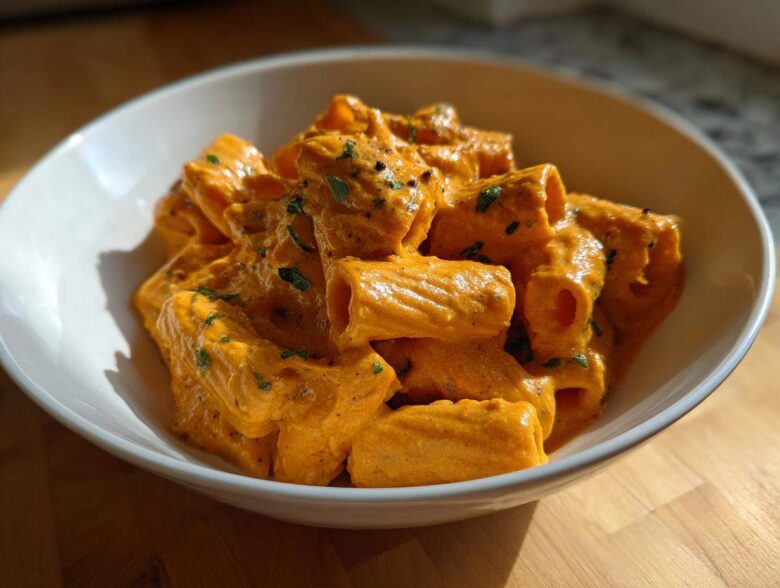
Oh my gosh, when those first chilly fall evenings hit, you know what I crave? Something unbelievably cozy, something that tastes like a warm hug in a bowl. Forget basic tomato sauce for a minute; we’re diving deep into fall comfort food territory here. I finally perfected my recipe for the creamiest, richest butternut squash pasta sauce, and trust me, it’s life-changing. I spent ages trying different roasting times and liquid ratios because I was obsessed with getting that perfect velvety texture without heavy fillers. This recipe, with its roasted squash richness and a hint of savory sage, is the one that finally nailed it. Make this once, and you’ll be making this butternut squash pasta sauce every week until spring hits!
Why This Creamy Roasted Butternut Squash Pasta Sauce is an Easy Autumn Dinner Idea
When it comes to fall cooking, I want maximum cozy factor with minimum fuss, and this recipe delivers! It’s truly one of the best Easy Autumn Dinner Ideas out there. The best part about turning butternut squash into pasta sauce is that while the roasting takes a bit of hands-off time, the actual assembly only takes about ten minutes. That means big flavor without sacrificing your weeknight schedule.
- The texture is pure velvet—no grit, just smooth, rich coating for whatever pasta you choose.
- We get deep, nutty flavor because we roast the squash first; it’s miles better than steaming it!
- Hello, Comfort Food Pasta! This sauce is naturally hearty and completely satisfying.
Key Attributes of Our Butternut Squash Pasta Sauce Recipe
If you’re looking for that signature richness, this is it. We’re achieving that gorgeous, velvety coating by blending the roasted flesh until it’s practically silk. The flavor profile isn’t just squash, either; we sneak in fresh sage during the sauté, which pairs perfectly with the slight nuttiness you get if you follow my brown butter trick later on. It’s savory, a little sweet, and tastes exactly like autumn should. That robust flavor makes this specific butternut squash pasta sauce stand out on any dinner table.
Gathering Ingredients for Your Velvety Butternut Sauce
Okay, let’s look at what you need to grab from the pantry and fridge. Don’t be intimidated by the squash! We handle the hard part—the roasting—before we even start building the sauce. For this recipe, you’ll need about one medium butternut squash, which usually gives you a nice 3 cups of that gorgeous flesh we need for the puree. That’s perfect for four generous bowls of this amazing butternut squash pasta sauce.
- 1 medium butternut squash (Aim for about 3 lbs total weight—this should give you around 3 cups once roasted and scooped out!)
- 2 tablespoons olive oil
- 1 small yellow onion, finely chopped
- 2 cloves garlic, minced up small
- 1/2 cup vegetable broth (Use low-sodium if you can!)
- 1/2 cup heavy cream (This is for the richness!)
- 1/4 cup grated Parmesan cheese (Keep this on hand if you aren’t keeping it strictly vegetarian.)
- 2 tablespoons unsalted butter
- 1 teaspoon fresh sage, chopped finely
- 1/2 teaspoon salt
- 1/4 teaspoon black pepper
- 1 pound pasta (I really love rigatoni or penne; those ridges grab onto the butternut squash pasta sauce beautifully!)
Ingredient Notes and Substitutions for Butternut Squash Pasta Sauce
Every good cook knows you need a few backup plans! For the Parmesan, if you’re going dairy-free or aiming for a strictly Cozy Vegetarian Pasta vibe that skips cheese, no sweat. Just leave it out, and the sauce is still amazing, though it loses a tiny bit of salty depth. If you need a Vegan Butternut Pasta Option, this is where you swap the heavy cream! Use full-fat canned coconut milk instead. Trust me on the full-fat—it keeps that luxurious thickness we’re aiming for in this Creamy Fall Pasta Sauce.
Also, if you’re using store-bought squash puree (because sometimes life is crazy!), you’ll need about 2 cups of it, but you absolutely miss out on the concentrated, nutty flavor that roasting brings to our signature butternut squash pasta sauce. My advice? Always try to roast it fresh if you can!
Step-by-Step Guide to Making the Best Butternut Squash Pasta
Alright, let’s get messy! This is where we turn that tough squash into liquid gold. It’s mostly hands-off time, which is great, but paying attention during the assembly phase is key to that incredible final coating for our butternut squash pasta sauce. First thing’s first: we need tender squash, so preheat your oven to 400°F (200°C). While that’s heating up, cut your squash in half, scoop out those slimy seeds—you can clean and toast those later if you’re feeling ambitious! Brush the cut sides with a little olive oil and lay them cut-side down on your baking sheet. We’re going to let them bake for a good 35 to 45 minutes until they are totally soft. You should be able to pierce them easily with a fork.
While that’s happening, get your pasta going! Cook it until it’s just shy of done—al dente is the word we are looking for. And listen to me: DO NOT DUMP THE WATER. Seriously! Reserve at least one full cup of that starchy, foggy water before you drain everything. That water is the secret weapon that turns our puree into a glorious, clingy butternut squash pasta sauce. If you want to read more about kitchen safety tips while cooking, you can always check out our site info here: About Our Kitchen Confidence.
Roasting the Squash for Deep Flavor in Your Butternut Squash Pasta Sauce
This roasting step is non-negotiable if you want that deep, slightly caramelized flavor that makes this butternut squash pasta sauce sing. Putting the squash cut-side down on the baking sheet keeps the moisture in while the outer flesh gets a little oven kiss. Don’t rush it! If it’s hard to scoop out the flesh when you check it, give it another ten or fifteen minutes. That deep orange color is what we are chasing after because it means concentrated flavor.
Creating the Smooth Butternut Squash Puree Sauce
Once the squash is cool enough to handle, scoop all that tender flesh into your blender or food processor. Now, you’ll add in your sautéed onions and garlic (which you cooked while the squash was roasting—smart, right?), the vegetable broth, salt, and pepper. Blend it up! You might have to do this in a couple of batches, which is fine. Get it as smooth as you possibly can. We are aiming for that silky, smooth Butternut Squash Puree Sauce, so blend until you don’t see any lumps at all. If it seems too thick for even the blender to handle easily, splash in a tiny bit of the reserved pasta water now to get the blades moving.
Tips for Success with Your Homemade Pasta Sauce
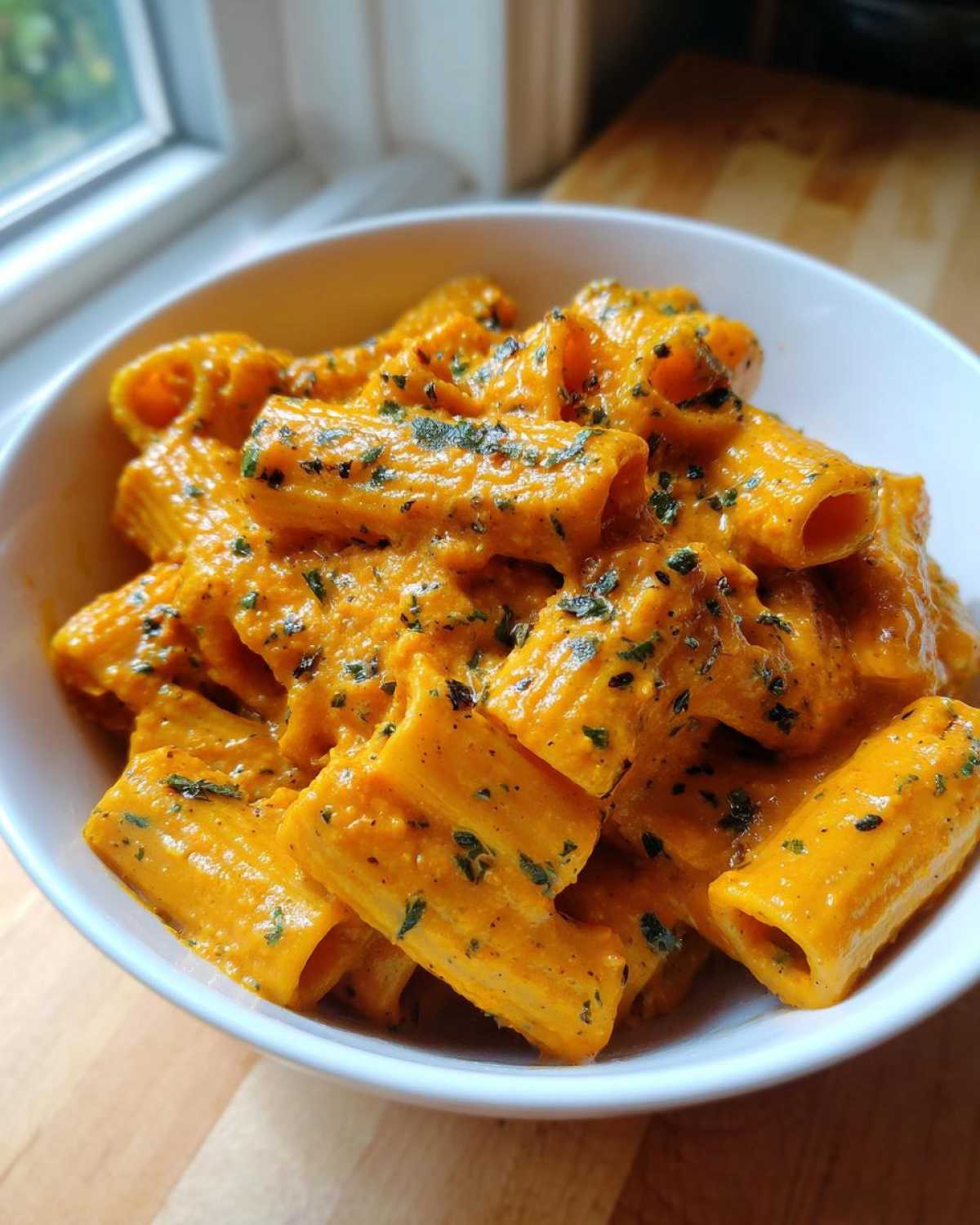
Even with a great ingredient list and perfect roasting, sometimes that final sauce texture needs just a little nudge. I’ve learned a few tricks over the years to ensure you get that luxurious, thick coating—the kind that makes everyone ask for your butternut squash pasta sauce recipe. We want that beautiful Velvety Butternut Sauce, and it all comes down to what happens right before you serve it.
If you really want to treat yourself, try browning your butter before you add the onions and sage! Melt the butter in the skillet first over medium heat, swirling it until you see little brown flecks form at the bottom and it smells nutty. Then, add your olive oil and proceed with sautéeing the aromatics. That little step? It takes seconds, but it adds this incredible depth that just screams cozy fall evening.
Adjusting Consistency for the Perfect Butternut Squash Pasta Sauce
This is the most common snag in any good pureed sauce: it’s either pouring off the pasta in a puddle, or it’s so thick it behaves more like paste. Remember that starchy pasta water we saved? That’s your emulsifier gold. Once you’ve brought your smooth squash puree back to the heat and stirred in your cream and cheese, if it looks too thick to coat the back of a spoon nicely, start adding that reserved water. Don’t just dump it all in! Add it slowly, maybe a tablespoon at a time, stirring constantly over low heat. As you stir, the starch in the water works with the fats in the cream and butter to create a stable, gorgeous emulsion. Stop adding water the second the sauce clings perfectly to a piece of pasta you dip in. That’s how you achieve perfection in your butternut squash pasta sauce!
Serving Suggestions for Cozy Vegetarian Pasta
Now that you have this stunning, unbelievably silky butternut squash pasta sauce simmering on the stove, we need to talk about getting it onto the plate! Presentation matters, even if it’s just for a quiet night on the couch. Because this sauce is so thick and luxurious—thanks to all that roasting we did—you need a pasta shape that can really handle it and hold onto every little bit of that creamy goodness.
I absolutely swear by using something ridged or tubular. Rigatoni is my number one pick, followed closely by penne or even large shells if you’re feeling playful. Those shapes act like little scoops for the sauce, ensuring you get a perfect bite of pasta and velvety squash every single time. Don’t waste this gorgeous sauce on flimsy linguine!
For garnishes, think texture contrast. You want something crunchy to break up the creaminess of this Cozy Vegetarian Pasta. A sprinkle of toasted pecans or walnuts adds a fantastic earthy crunch, and they pair wonderfully with the sage already in the sauce. Toast them lightly in the same skillet you used for the butter—no need to clean it first, just swipe out the onion bits!
And finally, finish it off with a light dusting of fresh Parmesan, even if you went dairy-free earlier (plenty of great vegan shreds are out there now!). A final snip of fresh sage leaves right on top makes it look restaurant-worthy. Seriously, just assembling this butternut squash pasta makes the whole house smell incredible. It’s the definition of a perfect fall evening meal.
Storage and Reheating Instructions for Butternut Squash Pasta Sauce
One of the best things about making this rich butternut squash pasta sauce is that the clean-up is usually minimal, and you always end up with leftovers! This sauce freezes and keeps beautifully, which is a lifesaver when you need a quick, Healthy Weeknight Pasta option later in the week. Don’t throw out those extra portions!
For storage, your best bet is to keep the leftover sauce separate from any pasta it touched. If you stored it mixed together, the pasta will soak up all the moisture and become mushy. Keep the plain sauce in a sealed, airtight container in the fridge. I find it maintains its supreme creaminess for about four good days this way.
How to Properly Refrigerate Your Butternut Squash Pasta Sauce
When storing it in the fridge, make sure the container has a tight lid, or you can press a layer of plastic wrap directly onto the surface of the sauce before capping it. This prevents things from drying out or getting any weird fridge odors absorbed into your beautiful butternut squash pasta sauce. I usually make a double batch specifically so I can freeze half for a rainy day. If you freeze it flat in a zip-top bag, it thaws really quickly on the counter too!
Reheating to Restore That Creamy Texture
Reheating is super simple, but you need one crucial reminder: you must reintroduce moisture. As the sauce cools and then reheats, the starches and fats tighten up, so it will seem thick—almost paste-like—when you first pull it out of the container. That’s normal for any rich, pureed sauce like this one.
To fix that, use a little bit of liquid. If you kept some of that starchy pasta water, that’s the absolute best thing to use! Heat the sauce gently in a saucepan over low to medium-low heat. As it warms up, stir constantly, adding just a tablespoon or two of water (or milk/coconut milk if you used that originally) until it loosens up and returns to that perfect, decadent consistency. Please don’t try to microwave it without stirring every minute; you’ll end up with hot spots and a dry edge! Slow and low reheating ensures your butternut squash pasta sauce tastes just as good as it did the first night.
Frequently Asked Questions About This Seasonal Squash Recipe
I always get so many great questions whenever I post this butternut squash pasta sauce! It makes sense; everyone wants to make sure they get that signature creaminess we talked about. Here are the top things people ask me when they are getting ready to make this ultimate Seasonal Squash Recipe.
Can I use a different squash for this pasta sauce?
That’s a fair question! If you can’t find a good butternut squash, you can definitely substitute. A sugar pumpkin works wonderfully, though you might find the sauce is slightly sweeter and perhaps a tiny bit thicker. Acorn squash is another option, but it comes with thicker skin, which makes scooping out the flesh a little harder than with butternut. The key thing is to always roast it first—don’t boil it! Roasting concentrates the sugars and minimizes the water content, which is critical for building that velvety texture in your butternut squash pasta sauce. If you use pumpkin, you might need an extra splash of that reserved pasta water to keep the consistency perfect.
Can I use frozen butternut squash?
Oh, I totally get the time crunch! Yes, you can use frozen squash, but I rarely recommend it for this specific recipe. Frozen squash, when thawed, always releases significantly more water during cooking. If you use frozen, you absolutely must roast or bake the thawed puree spread out on a sheet tray first. Bake it at 375°F for about 15 minutes just to cook off the excess moisture. If you skip that, your beautiful, thick Creamy Fall Pasta Sauce will end up thin and watery—and nobody wants that!
We need this recipe to be gluten-free. Is that possible?
Absolutely! This is one of the simplest recipes to make completely gluten-free. The sauce itself contains no gluten whatsoever. Your only worry is the pasta shape you choose. If you stick with standard wheat pasta, then no, it’s not gluten-free. However, there are tons of fantastic gluten-free pastas available now—rice pasta, chickpea pasta, lentil shapes—they all work beautifully tossed in this sauce. Just make sure your vegetable broth is certified gluten-free if you’re worried about cross-contamination there, but generally speaking, this transforms into a great healthy gluten-free option with zero adjustments to the sauce base!
Can I make the Butternut Squash Puree Sauce ahead of time?
Yes, and I often do! Making the puree component ahead of time is such a time-saver for a Simple Squash Dinner later in the week. Once you have blended up the smooth puree (before you add the cream or cheese), you can store that cooled puree in an airtight container in the fridge for up to five days. When you’re ready to eat, just bring it out, gently warm it up in the skillet, stir in your cream, Parmesan, and butter, and you’re basically done! It’s the perfect way to prep for a lovely Homemade Pasta Sauce night.
Estimated Nutritional Information for Healthy Weeknight Pasta
Now, I know we make this because it tastes amazing and feels like true Comfort Food Pasta, but one of the hidden perks of using real, roasted vegetables in our butternut squash pasta sauce is that we get a nice boost of nutrients for a relatively balanced meal. This information is a general guide, just so you know what you’re looking at when you serve up this butternut squash pasta sauce. Remember, this breakdown assumes you’re using the heavy cream option, as that definitely influences the fat content!
We’re looking at roughly what one serving (about 4 ounces of pasta coated in sauce) will look like. It’s a great choice for a Healthy Weeknight Pasta because it’s packed with fiber from the squash!
- Calories: Around 450 per serving
- Fat: About 20 grams (Watch out, this goes down if you switch to coconut milk or use less butter!)
- Carbohydrates: Roughly 58 grams
- Protein: About 15 grams (Thanks to the Parmesan and the pasta itself!)
- Fiber: A fantastic 8 grams!
It’s important to know that these numbers shift based on your choices. For instance, swapping the heavy cream for the full-fat coconut milk will change your saturated fat profile a bit compared to the dairy route. Also, if you decide to double up on the Parmesan cheese because, well, cheese makes everything better, those numbers will wiggle a little bit. But generally speaking, this butternut squash pasta sauce offers a great balance of carbs for energy and fiber to keep you full!
You can always find more details about how we handle site data over on our Privacy Policy page, but rest assured, this recipe is designed to be satisfying and relatively wholesome for a Seasonal Squash Recipe!
Share Your Favorite Fall Food Recipes to Save
And just like that, our kitchen adventure ends, but our cozy fall food journey is just beginning! I truly hope you give this butternut squash pasta sauce a try this week. It has become essential for me once the air gets crisp, and I just know it’s going to be a huge hit at your table too. It’s honestly the best Butternut Squash Sauce Recipe I’ve ever come across.
Now, I always need to know how it went! Did you keep it simple, or did you try my favorite brown butter trick? Did you use rigatoni? Please, please tell me in the comments below! I absolutely love hearing about how this recipe translates into your own kitchen. Drop a star rating—let me know if this deserves a solid five stars in your book!
While you are here, why not share this recipe with a friend who needs a little fall comfort in their life? Pin it, send it, shout it from the rooftops! We are all about building a community of cooks who love seasonal food. If you have other favorite **Fall Food Recipes to Save** that you make year after year, I’m always looking to add more to my rotation. Don’t forget, if you ever need to get in touch with me directly, you can always find the contact form over here: Contact the Kitchen!
Thank you so much for cooking with me today. Happy stirring, and enjoy every single, creamy bite of that amazing butternut squash pasta sauce!
PrintCreamy Roasted Butternut Squash Pasta Sauce with Sage
A rich and velvety pasta sauce made from roasted butternut squash, perfect for a cozy autumn dinner.
- Prep Time: 20 min
- Cook Time: 45 min
- Total Time: 65 min
- Yield: 4 servings
- Category: Dinner
- Method: Roasting and Stovetop
- Cuisine: American
- Diet: Vegetarian
Ingredients
- 1 medium butternut squash (about 3 lbs)
- 2 tablespoons olive oil
- 1 small yellow onion, chopped
- 2 cloves garlic, minced
- 1/2 cup vegetable broth
- 1/2 cup heavy cream (or full-fat coconut milk for dairy-free)
- 1/4 cup grated Parmesan cheese (optional)
- 2 tablespoons unsalted butter
- 1 teaspoon fresh sage, chopped
- 1/2 teaspoon salt
- 1/4 teaspoon black pepper
- 1 pound pasta (e.g., rigatoni or penne)
Instructions
- Preheat your oven to 400°F (200°C). Cut the butternut squash in half lengthwise, scoop out the seeds, brush the cut sides with 1 tablespoon of olive oil, and place cut-side down on a baking sheet. Roast for 35 to 45 minutes, or until very tender. Let it cool slightly, then scoop the flesh into a bowl.
- While the squash roasts, cook the pasta according to package directions until al dente. Reserve 1 cup of the starchy pasta water before draining.
- In a large skillet over medium heat, melt the butter with the remaining 1 tablespoon of olive oil. Add the chopped onion and cook until softened, about 5 minutes.
- Add the minced garlic and chopped sage to the skillet. Cook for 1 minute until fragrant.
- Transfer the roasted squash flesh, onion mixture, vegetable broth, salt, and pepper to a blender or food processor. Blend until completely smooth.
- Pour the squash puree back into the skillet over low heat. Stir in the heavy cream and Parmesan cheese (if using). Heat gently, stirring constantly.
- If the sauce is too thick, add the reserved pasta water, a few tablespoons at a time, until you reach your desired consistency.
- Toss the drained pasta with the sauce until fully coated. Serve immediately.
Notes
- For a deeper flavor, roast the squash halves with a drizzle of maple syrup before pureeing.
- If you prefer a vegan sauce, substitute the heavy cream with full-fat canned coconut milk and omit the Parmesan cheese.
- Use brown butter instead of regular butter for a nuttier taste; brown the butter before adding the sage and garlic.
Nutrition
- Serving Size: 1 serving (with 4 oz pasta)
- Calories: 450
- Sugar: 12
- Sodium: 350
- Fat: 20
- Saturated Fat: 10
- Unsaturated Fat: 10
- Trans Fat: 0
- Carbohydrates: 58
- Fiber: 8
- Protein: 15
- Cholesterol: 45