

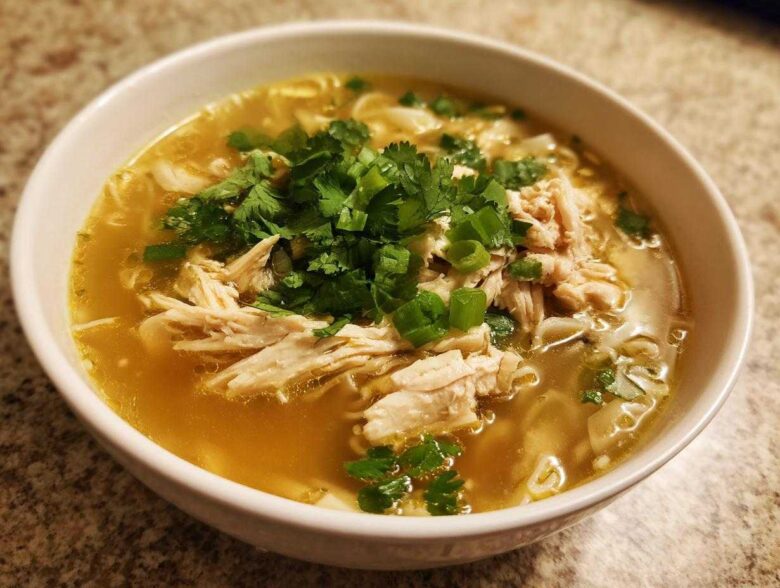
Oh, when the world feels a little too much, nothing truly fixes the soul like a massive, steaming bowl of homemade soup, right? And I don’t just mean any soup; I mean the kind that makes your kitchen smell like a dream—spicy, sweet, savory, all at once. That’s why mastering the authentic, deeply aromatic broth for your own Pho Ga Chicken Noodle Soup is my absolute favorite culinary quest.
I spent years making pho that just tasted… fine. It was chicken soup with noodles, honestly. It wasn’t until I stopped rushing the broth—truly stopped—that I unlocked that magic, restaurant-quality depth. We’re talking about coaxing every ounce of flavor out of charred ginger, star anise, and humble chicken bones. Forget the packets; this recipe shows you exactly how to build that complex, perfectly balanced flavor profile from scratch. Trust me, once you nail this broth, you’ll wonder why you ever ordered takeout!
Why This Pho Ga Chicken Noodle Soup Recipe Delivers Authentic Flavor
There’s a difference between making chicken soup and making true Pho Ga Chicken Noodle Soup, and it all comes down to technique. This recipe isn’t about cutting corners; it’s about honoring the slow, aromatic process that gives Vietnamese soup its soul. When you follow these steps, you aren’t just cooking; you’re building layers of flavor that you simply cannot get from a store-bought base. You’ll love how rewarding it is!
- The Clear Broth Secret: We rigorously blanch and skim! This ensures your final liquid is crystal clear, which is non-negotiable for authentic pho. Check out some other great Vietnamese dinner ideas while you wait.
- Proper Aromatics: Charring the ginger and onion makes a huge difference—it unlocks a smoky sweetness that artificial seasonings just can’t replicate.
- Spice Infusion: Toasting whole spices wakes them up before they infuse the simmering broth for hours, giving you that signature warming scent.
Quick Overview of Pho Ga Chicken Noodle Soup Details
It takes time, but the hands-on work is minimal! Here’s what you need to know:
- Prep Time: 30 min
- Cook Time: 4 hours
- Total Time: 4 hours 30 min
- Yield: 6 servings
Essential Chicken Pho Ga Chicken Noodle Soup Ingredients
Okay, let’s talk about what goes into this magical elixir. Getting the right ingredients is half the battle when you’re making a truly authentic **Pho Ga Chicken Noodle Soup**. Don’t even think about substituting rock sugar for regular granulated if you can help it; that little bit of crystal rock sugar deepens the broth in ways I can’t fully explain, but your taste buds will thank me!
For the bones—and yes, you need bones!—I always grab about 4 pounds of chicken backs, necks, and wings. They give you gelatin and that body you just can’t get from a boneless breast. For the aromatics, you need one whole onion, just sliced in half, and a good 4-inch piece of ginger, cut lengthwise—we’re charring these, so size doesn’t matter too much!
For the spice bag, you’ll want your whole spices: 4 star anise, 2 cinnamon sticks, 6 cloves, 1 teaspoon each of coriander and fennel seeds. Remember, we toast these first! Then, for seasoning, we keep it simple but crucial: about a tablespoon of rock sugar, a dash of salt, and the secret weapon—fish sauce. Trust me, no shortcuts here. We also need those flat rice noodles, about a pound of them, and fresh chicken breast or thigh sliced super thin for when it hits the boiling broth at the very end. You can find other great Vietnamese recipes collection here: Chicken Zucchini Stir Fry.
Mastering the Aromatic Pho Broth Secrets for Perfect Pho Ga Chicken Noodle Soup
This is where the magic happens, folks! If you skip the first two steps in making your **Pho Ga Chicken Noodle Soup**, you might as well be making regular chicken soup. We need clarity and intense aroma, and that starts with heat!
First things first: charring. Take your halved onion and that ginger (cut side down!) and place them right on your gas burner or under the hottest broiler until the skin is black and blistered. This takes maybe five minutes total. It seems messy, but this char releases a smoky sweetness that’s crucial. After charring, give the onion and ginger a quick rinse.
Next up is vital: blanching the chicken. Put all those bony chicken parts in a big pot, cover them with cold water, and bring it to a raging boil for five minutes. Seriously, boil it hard. Then, drain everything and wash the chicken pieces off under running water to get rid of all that scary grey foam and gunk. Rinse your pot, too! An expert tip? This step guarantees you end up with a beautifully clear broth, which is the hallmark of great pho.
Now, put the cleaned chicken back in the clean pot with 6 quarts of fresh, cold water. Bring it up to a very gentle simmer. For the first half hour, you must stay close! Skim off any foam or impurities that float to the top. Don’t let that foam dissolve back into the liquid, or your broth will be cloudy. It’s tedious, but it’s the key to that professional look! If you are looking for more tips on how to get that deep roast flavor, check out this guide on Flavorful Chicken Broth Cooking.
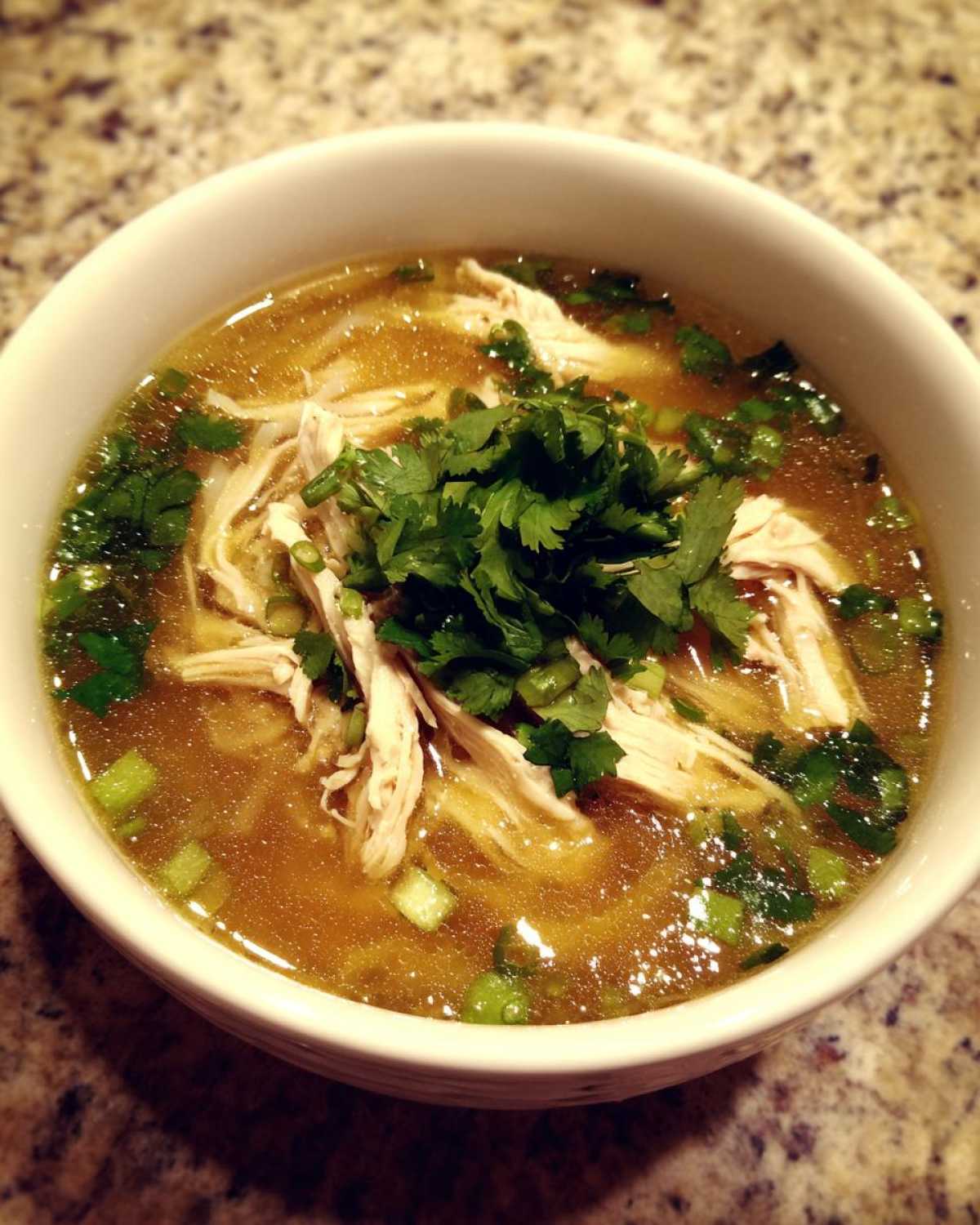
Preparing and Toasting the Pho Spices
While that chicken is gently simmering, we wake up the spices. Grab a dry skillet—no oil!—and set it over medium heat. Toss in your star anise, cinnamon, cloves, coriander, and fennel seeds. You only need about two minutes, stirring constantly. You’ll know they’re ready because your kitchen will suddenly smell fantastic. This little toasting step unlocks oils and deepens the flavor profile immensely, making your chicken broth smell just like a street vendor’s stall.
Once they’re fragrant, quickly scoop them up and put them into a cheesecloth bag. If you don’t have one of those handy sachets, don’t panic! You can tie them loosely in a piece of muslin or just shove the whole spices right into the pot, but you MUST strain them out later later. I prefer the bag; it makes removal so much easier!
Simmering Broth for Pho Ga: Achieving Deep Flavor
Now that we’ve skimmed the initial scum and dropped in our charred aromatics and our toasted spice bag, it’s time to be patient. This is the most important part of making your **Pho Ga Chicken Noodle Soup**. Add in that rock sugar, salt, and the fish sauce—we season gently now, and we balance it perfectly right at the end.
Turn your heat way, way down low. I mean barely a whisper of heat. You want the broth to *barely* move; a tiny, gentle simmer is the goal, NOT a rolling boil. If it boils too hard, buddy, you’re going to cloud up all your hard work from the skimming stage. You want that liquid to gently coax the flavors out of the bones and spices over many hours.
The rule of thumb here is time equals flavor depth. You absolutely need to let this go for a minimum of three hours, but honestly, if you can swing four or even five hours, I promise you’ll taste the difference. I often just leave it on the lowest setting right before I go to bed, skimming once more before I turn in. It’s the secret to truly authentic flavor. When you’re ready to move on, check out how to master making broth from scratch for other great soups!
How to Prepare Instructions for Your Pho Ga Chicken Noodle Soup
Alright, your broth has simmered for hours and it smells like heaven—now it’s time to bring this brilliant **Pho Ga Chicken Noodle Soup** together! First, we need to separate the good stuff from the spent aromatics. Carefully take out the chicken bones, the onion, the ginger, and that empty spice bag. Give those bones a quick scrape to get any last bits of tender meat clinging to them, then discard everything else.
Now, for your serving meat! While the broth is still simmering gently, drop in that pound of thinly sliced raw chicken breast or thigh. It cooks incredibly fast—only about five to seven minutes until it’s opaque and cooked through. Scoop that tender meat out and set it aside for assembly. This keeps it from getting tough and stringy in the long simmer.
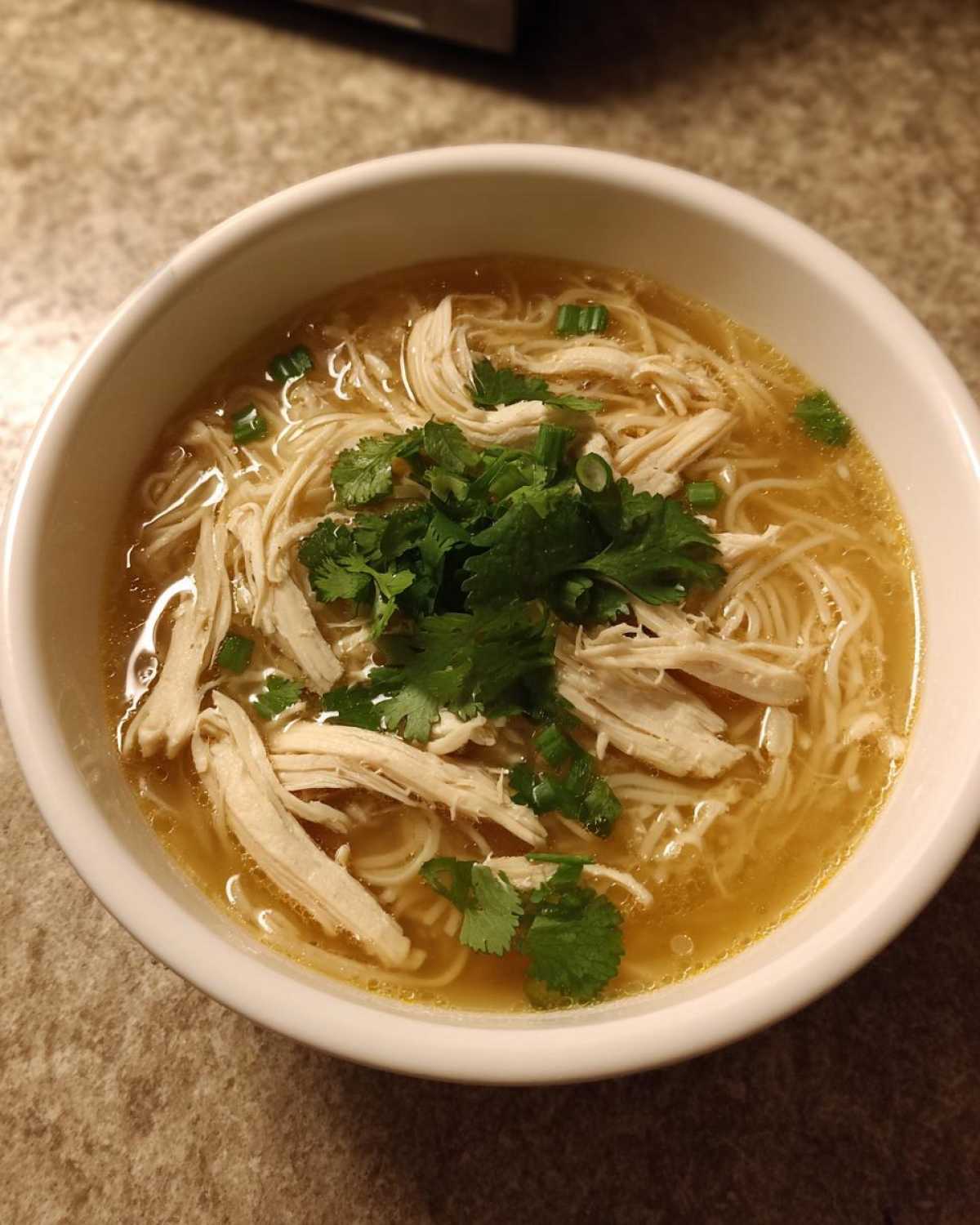
Next, the noodles! Don’t just boil them straight; we do it in two stages, just like the pros teach. Soak your dried rice noodles (Banh Pho) in hot tap water for about 30 minutes until they are floppy but still stiff in the middle. Then, just before serving, blanch them quickly (maybe 60 seconds) in boiling water, drain them really well, and divide them into your big serving bowls. You can see how we put these techniques into action in other traditional Vietnamese noodle soup recipes here.
Arrange the cooked sliced chicken over the noodles in each bowl. Taste that broth one last time! Adjust with a bit more fish sauce for saltiness or a pinch more sugar if you need to balance it out, but get it *perfect*. Then, bring that broth up to a rapid, rolling boil. This boiling temperature is key! Now, ladle that piping-hot broth over the noodles and meat. It cooks the noodles just enough and gets everything sizzling right for your first slurp!
Tips for Success with Homemade Chicken Pho
Getting that amazing, clear broth for your **Pho Ga Chicken Noodle Soup** is all about those tiny technical details you might skip if you’re rushing. Let me just circle back to two things that made a huge difference when I finally stopped getting cloudy soup—and you can read more about getting the best homemade chicken pho results in this guide!
First, remember when we were cooking the final sliced meat? If you want that broth to look absolutely perfect, use only lean chicken breasts for that final quick cook-through. Dark meat, while tasty, releases more fat and can leave a little more cloudiness on the surface. It’s a visual choice, but if you’re aiming for restaurant quality, go lean for the topping meat.
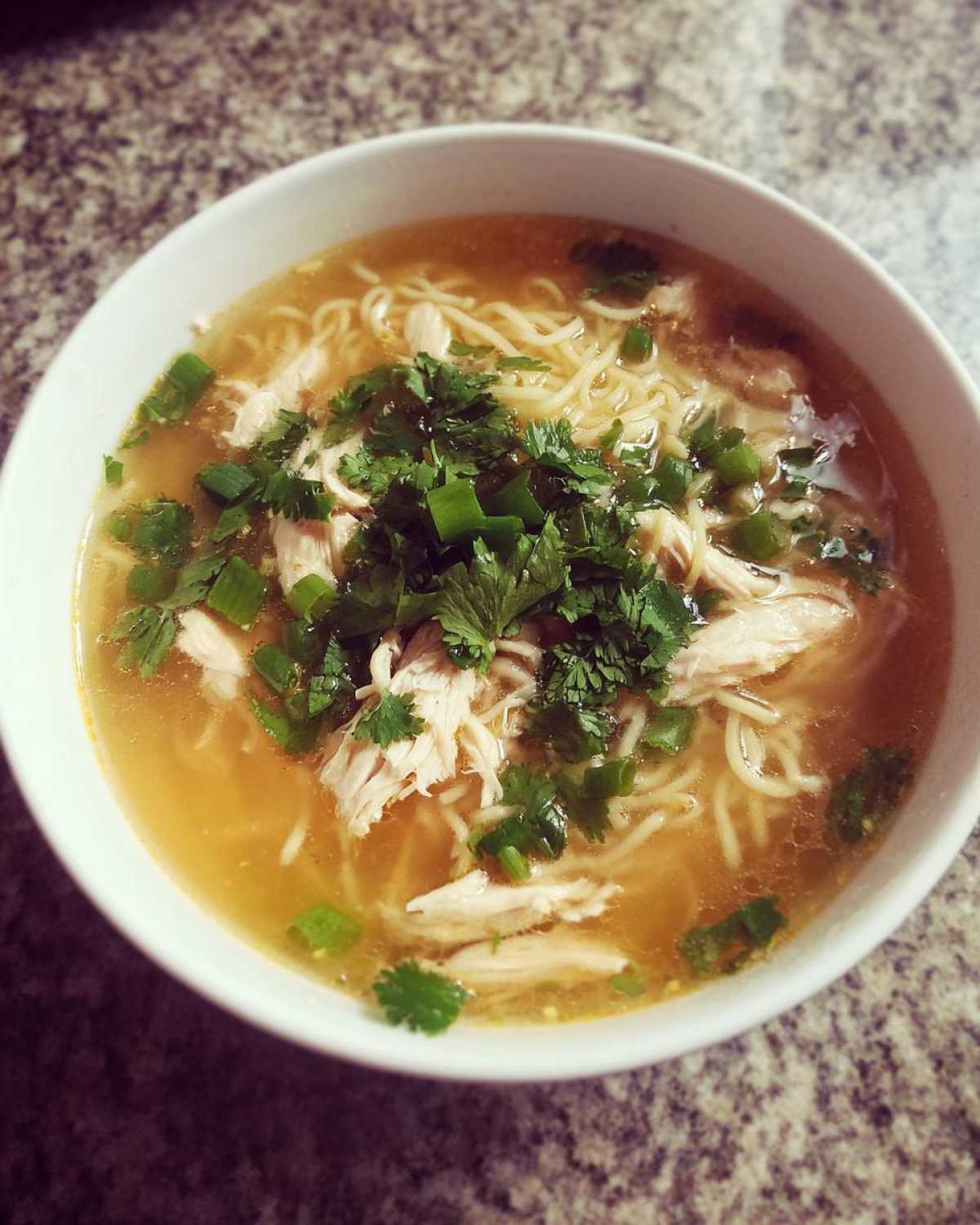
Second, the noodles! I mentioned it briefly, but this is crucial: soak those dried rice noodles in hot tap water for a good 30 minutes *before* you even think about boiling them briefly. If you don’t soak them first, they need to boil for ages, and they’ll overcook and turn mushy the second you ladle that boiling broth over them. You want them perfectly al dente when they hit the bowl!
My personal tip, which I learned after tasting broth that was *almost* perfect? Never truly finalize your seasoning until the very end. Fish sauce can concentrate as the liquid reduces, and saltiness can change as you add the fresh herbs and lime juice at the table. So, right before you ladle, taste it—it should be slightly saltier than you think it needs to be, because everything else you add (the noodles, the bean sprouts) will absorb some of that seasoning. If it’s slightly under-seasoned at that boiling point, it will be perfect once assembled!
Serving and Pho Garnishes and Toppings
We made it! After hours of simmering, tasting, and perfecting that incredible broth for your **Pho Ga Chicken Noodle Soup**, it’s time for the grand finale: assembly. This process is almost as important as stirring the spices because presentation signals how fresh and authentic this meal is!
Remember, you divided the cooked noodles and layered the thinly sliced cooked chicken into your large serving bowls earlier? That’s step one.
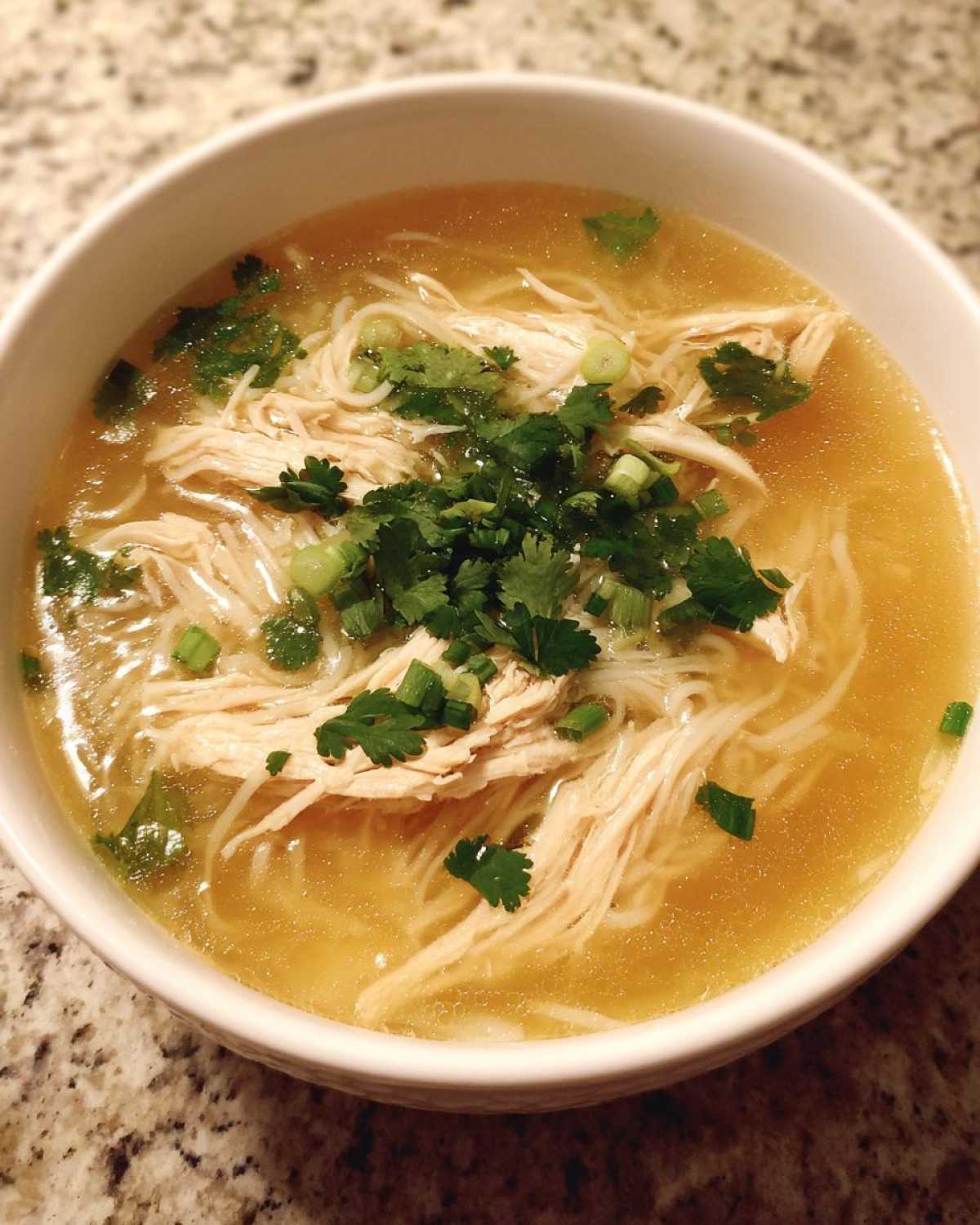
Now, here’s the moment of truth: that broth has to be boiling hot. I mean, bubbling! Don’t just reheat it; get it back to a rolling boil right before you use it. Ladle that steaming liquid generously over the noodles and meat in each bowl. The heat from the broth is what finishes cooking any slightly underdone noodles and warms the sliced meat perfectly. It should sizzle when it hits the bowl!
The true fun begins when you bring out the condiment plate. This is where everyone customizes their bowl, and it shows you’ve paid attention to the authentic experience. You need to set out a plate loaded with fresh toppings. Make sure you have: crisp fresh bean sprouts, fragrant Thai basil leaves (they smell incredible when they hit the hot soup!), chopped fresh cilantro, and plenty of lime wedges. Don’t forget the optional heat—thinly sliced jalapeños or Thai chilies for those who like a kick!
Encourage everyone to tear the basil leaves and squeeze that bright lime juice right over the top. Serving it this way builds such excitement, and it lets family members tailor that complex broth to their exact liking. For more ways to dress up your noodle dishes, take a look at these noodle soup with fresh herbs ideas!
Frequently Asked Questions About Pho Ga Chicken Noodle Soup
Can I make the broth ahead of time?
Oh, absolutely, and I highly recommend it! Making the broth ahead is the key to a successful, stress-free weekend meal. Once the broth has fully cooled after simmering, you should strain it really well (my fine-mesh sieve gets a serious workout here) and store it in an airtight container in the fridge for up to four days. You can even freeze it for a few months! When you reheat it, just bring it back up to that rolling boil before you ladle it over your noodles for serving. This is perfect for planning out your easy pho ga recipe sessions!
What cut of chicken gives me the best flavor when making homemade chicken pho?
For the actual broth base, you cannot beat bone-in, skin-on chicken pieces like backs, necks, and wings. They yield the richest gelatin and depth of flavor. However, for the meat that you serve sliced *in* the bowl, I strongly recommend using boneless chicken breast or thigh that you cook briefly in the strained broth right before serving. Using white meat for the topping keeps your final soup looking pristine and clear!
The noodles keep getting soft in my traditional Vietnamese noodle soup. What am I doing wrong?
This is usually a timing issue, or maybe you didn’t soak them first! Never drop dried noodles directly into boiling broth unless you are making “Quick Weeknight Pho Chicken.” For the authentic version, you must soak the dried rice noodles in hot tap water for about 30 minutes until they are pliable. Then, give them a quick 60-second dip in boiling water just before you assemble the bowl. They should still be slightly stiff (al dente) because that final blast of boiling hot broth is what finishes them off without turning them to mush!
How do I store leftovers of this comfort food noodle soup?
Never, ever store your Pho Ga assembled in one big bowl! The noodles will soak up all that gorgeous broth and turn into a sticky, unappetizing lump. The correct way to store leftovers is to keep the clear broth in one container, the cooked noodles in another (maybe toss them with a tiny bit of oil so they don’t stick), and keep all your fresh garnishes like basil and sprouts in separate bags in the fridge. When you’re ready for a bowl, reheat the broth fiercely, cook your raw meat slice quickly if you need more, and assemble from there!
Storage and Reheating Your Pho Ga Chicken Noodle Soup
We all know that leftovers of something this heavenly are a treasure, but you have to handle your **Pho Ga Chicken Noodle Soup** leftovers correctly, or you’ll end up with sad, gluey noodles the next day. The biggest mistake people make? Storing the bowl assembled! Seriously, don’t do that.
The absolute best way to keep this soup ready for round two is to keep everything separate. The broth is liquid gold; put that in an airtight container in the fridge. The already cooked noodles should go into their own container—if they stick together a little, just toss them with a tiny drizzle of neutral oil before storing.
When you’re ready to enjoy this amazing **comfort food noodle soup** again, reheat the broth *fiercely*. I mean, bring it back up to a rolling, bubbling boil. That’s non-negotiable for getting that authentic flavor back. While the broth is roaring hot, dip your leftover noodles into that boiling liquid for just 30 seconds to warm them through and soften them slightly. Then, build your bowl exactly like we did before: noodles first, then ladle that screaming hot broth over the top, quickly adding any extra garnishes or fresh meat slices you might have.
If you’ve got a big batch of broth, you can pour it into individual freezer-safe containers as well. It freezes beautifully, and having homemade **Pho Ga Chicken Noodle Soup** base ready in the freezer is like winning the weeknight dinner lottery! You can find some more ideas on making your next soup even better by checking out this post on comfort food noodle soup.
PrintAuthentic Vietnamese Pho Ga (Chicken Noodle Soup) with Aromatic Broth
Follow these steps to make a deeply flavorful Vietnamese chicken pho broth from scratch, complete with traditional aromatics and fresh garnishes.
- Prep Time: 30 min
- Cook Time: 4 hours
- Total Time: 4 hours 30 min
- Yield: 6 servings
- Category: Soup
- Method: Simmering
- Cuisine: Vietnamese
- Diet: Low Fat
Ingredients
- 4 lbs chicken parts (bones, backs, necks, and wings recommended)
- 1 whole onion, halved
- 4 inches ginger, halved lengthwise
- 4 whole star anise
- 2 cinnamon sticks (about 3 inches each)
- 6 whole cloves
- 1 teaspoon coriander seeds
- 1 teaspoon fennel seeds
- 1 tablespoon rock sugar or granulated sugar
- 1/4 cup fish sauce
- 1 tablespoon salt
- 1 pound dried flat rice noodles (Banh Pho)
- 1 pound boneless, skinless chicken breast or thigh, thinly sliced (for serving)
- 1 cup fresh bean sprouts
- 1 bunch Thai basil leaves
- 1/2 cup fresh cilantro, chopped
- 2 limes, cut into wedges
- Sliced jalapeños or Thai chilies (optional)
Instructions
- Prepare the aromatics: Char the cut sides of the onion halves and ginger halves directly over an open gas flame or under a broiler until blackened. Rinse them lightly.
- Blanch the chicken: Place the chicken parts in a large stockpot, cover with cold water, and bring to a boil. Boil for 5 minutes. Drain the chicken and rinse the pot thoroughly to remove scum. This step ensures a clear broth.
- Build the broth base: Return the rinsed chicken parts to the clean pot. Add 6 quarts of fresh cold water. Bring to a gentle simmer over medium heat. Skim any foam or impurities that rise to the surface during the first 30 minutes of simmering.
- Toast the spices: In a dry skillet over medium heat, toast the star anise, cinnamon sticks, cloves, coriander seeds, and fennel seeds until fragrant, about 2 minutes. Place the toasted spices in a cheesecloth bag or tea infuser.
- Simmer the broth: Add the charred onion, charred ginger, spice bag, sugar, salt, and fish sauce to the pot. Reduce heat to low, cover partially, and simmer for at least 3 to 4 hours. The longer it simmers, the deeper the flavor.
- Cook the serving meat: About 20 minutes before serving, remove the chicken bones and aromatics from the broth. Add the thinly sliced raw chicken breast/thigh to the simmering broth until cooked through (about 5-7 minutes). Remove the cooked meat and set aside.
- Prepare noodles: Soak the dried rice noodles in hot water according to package directions until pliable but still slightly firm (al dente). Drain well.
- Assemble the bowls: Divide the cooked noodles among large serving bowls. Arrange slices of the cooked chicken meat over the noodles.
- Finish the broth: Taste the broth and adjust seasoning with more fish sauce or salt if needed. Bring the broth back to a rolling boil.
- Serve: Ladle the boiling hot broth over the noodles and meat in each bowl. Serve immediately with a side plate of bean sprouts, Thai basil, lime wedges, cilantro, and chilies for garnishing.
Notes
- For a clearer broth, use only lean chicken breasts for the final meat topping, as dark meat can cloud the liquid.
- If you do not have a cheesecloth bag, you can place the whole spices directly into the broth and strain them out later with a fine-mesh sieve.
- Soak the rice noodles in hot tap water for 30 minutes before blanching them briefly in boiling water; this prevents them from breaking apart in the final soup.
Nutrition
- Serving Size: 1 bowl
- Calories: 450
- Sugar: 5
- Sodium: 850
- Fat: 10
- Saturated Fat: 3
- Unsaturated Fat: 7
- Trans Fat: 0
- Carbohydrates: 55
- Fiber: 3
- Protein: 35
- Cholesterol: 110