

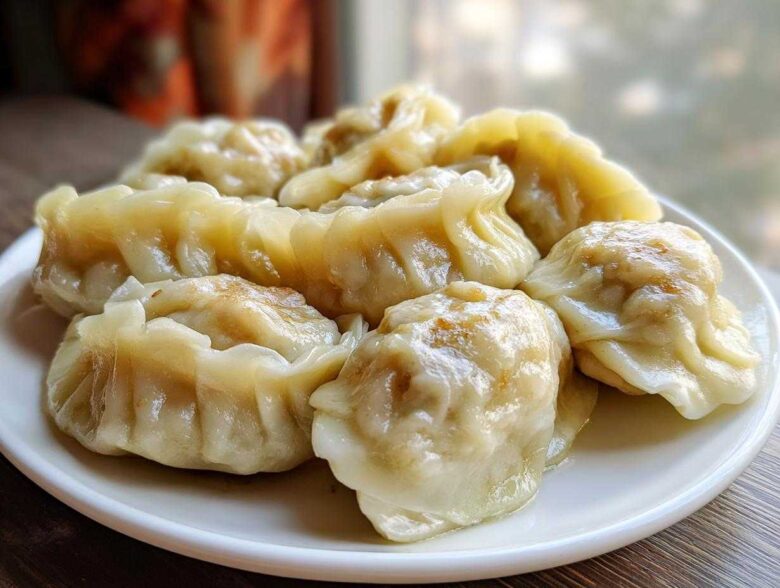
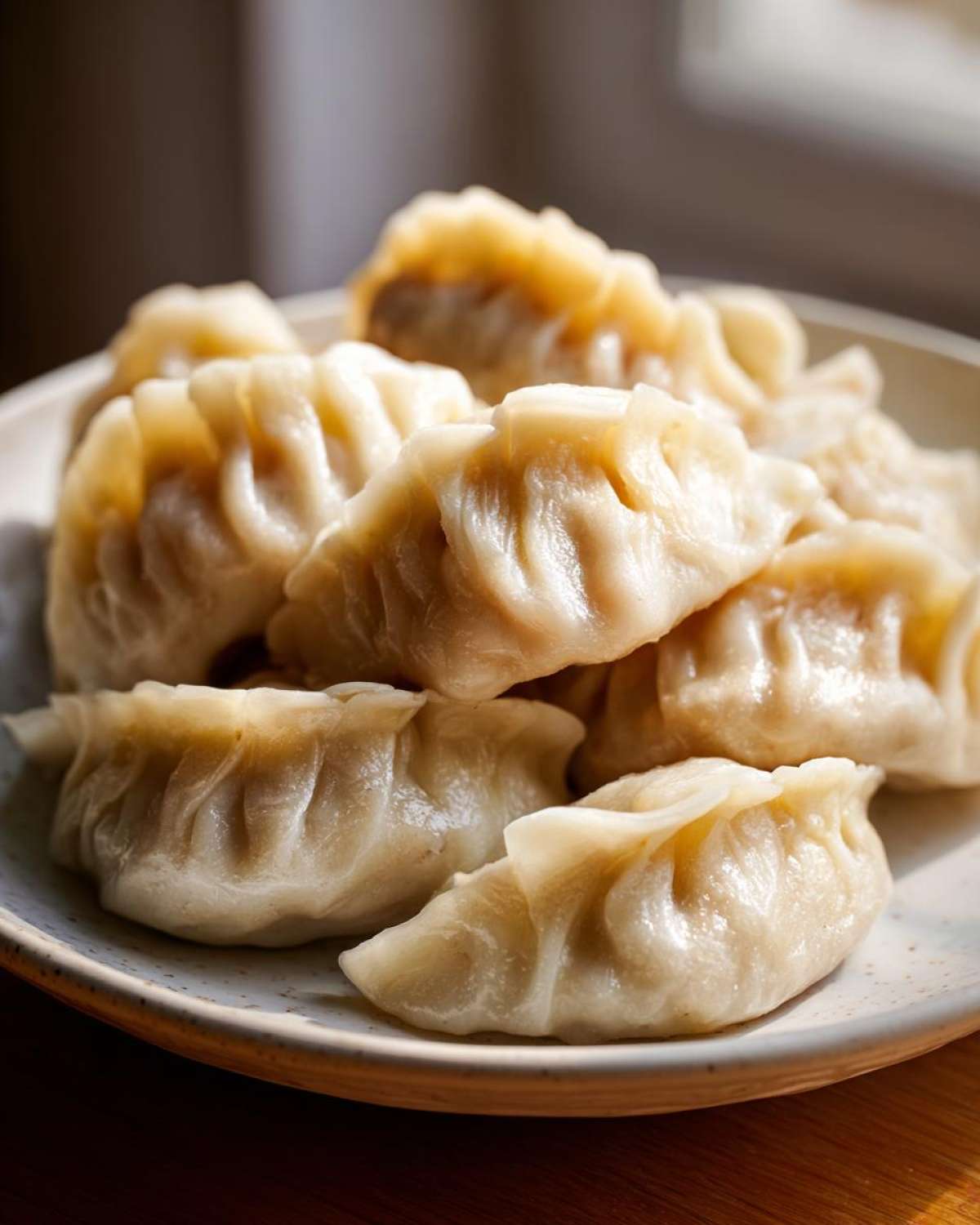
There is nothing quite like pulling a steaming basket of homemade dumplings out of the pot, is there? It smells like celebration, comfort, and a little bit of victory all rolled into one. Ethan is usually the one with the precise measurements printed out, but when it comes to **Traditional Chinese Dumplings**, this recipe is where Chloe’s intuitive soul really shines through! We are diving deep today to show you how to make these incredible pork cabbage dumplings, complete with gorgeous, satisfying homemade dumpling wrappers from scratch. Forget takeout; this is your new go-to guide for authentic flavor. If you want to learn more about how Ethan and I blend our styles in the kitchen, check out our story over at Recipes Fleet!
Why You Will Love Making Traditional Chinese Dumplings
Honestly, making these from scratch is totally worth the effort. It takes me right back to why we love cooking together—it’s fun, a little messy, and the result is so much better than anything store-bought!
- You get that incredible, authentic flavor that only fresh fillings and homemade dough can deliver.
- The process of rolling and folding your own homemade dumpling wrappers is truly satisfying; it’s almost meditative!
- These are the ultimate batch cook meal—they freeze like a dream, so you’ll always have lunar new year dumplings ready to go!
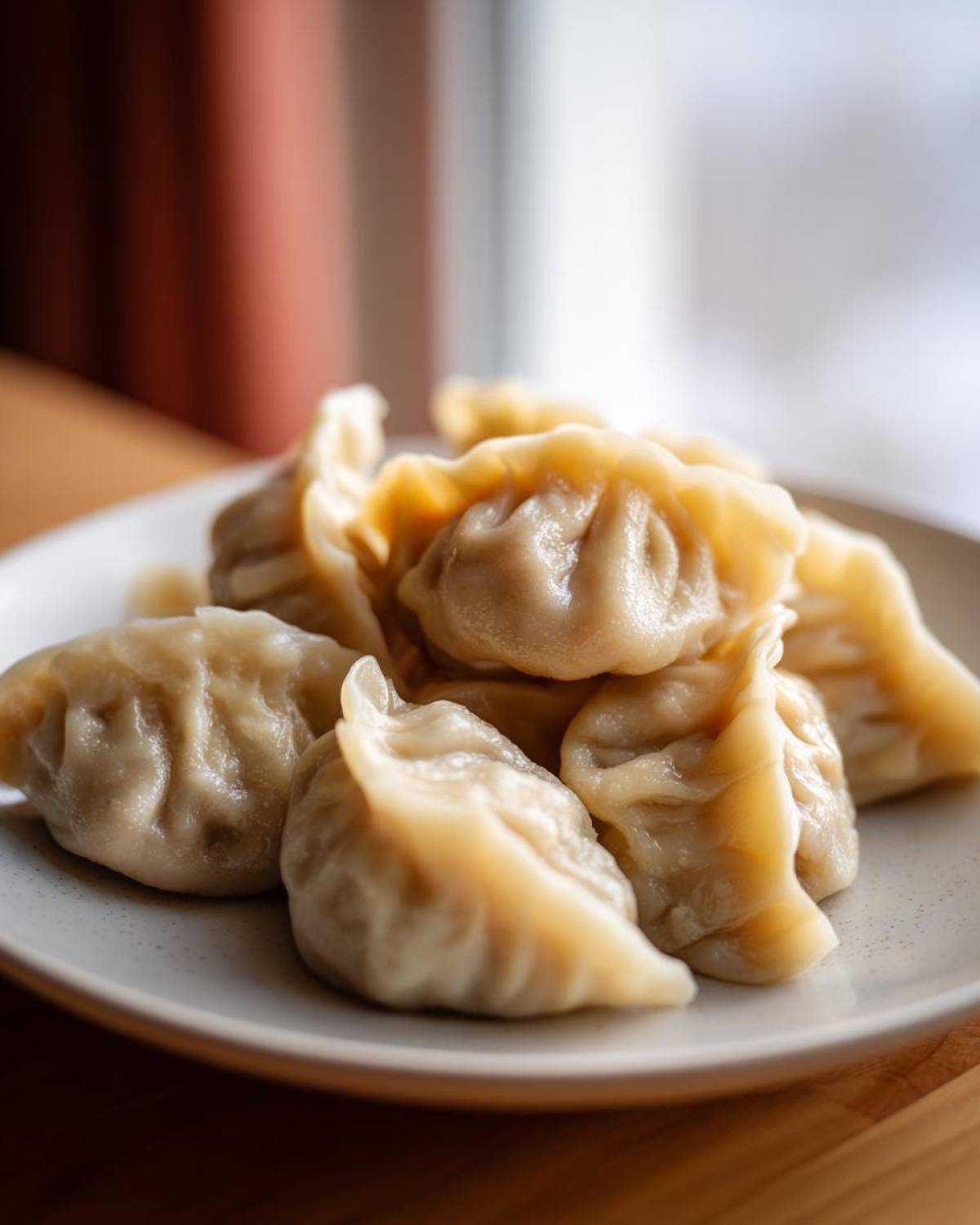
Gathering Ingredients for Authentic Jiaozi
Okay, so here is where my guy Ethan gets really happy because we are measuring things! While I love to eyeball everything, for the dough of our Traditional Chinese Dumplings, precision really pays off. We absolutely need quality ingredients here, especially the pork and that glorious Napa cabbage. Chloe’s rule is always: if the ingredient looks tired, it won’t taste happy in your dumplings!
For the Homemade Dumpling Wrappers
This is the most basic part, which is why we have to get the water temp right. Ethan insists on exact amounts for the foundation!
- 2 cups all-purpose flour
- 1 cup warm water (plus more if needed)
For the Pork Cabbage Dumplings Filling
This filling is the heart of the jiaozi. We need that savory pork balanced by the fresh crunch of the cabbage. Don’t skimp on the fresh ginger—it makes all the difference!
- 1 pound ground pork (good quality is key!)
- 3 cups finely chopped Napa cabbage
- 1 tablespoon soy sauce
- 1 teaspoon sesame oil
- 1 teaspoon grated fresh ginger
- 1/2 teaspoon salt
- 1/4 teaspoon white pepper
Mix this up really, really well so everything binds together for a cohesive filling!
Step-by-Step Guide to Making Traditional Chinese Dumplings
Alright, let’s get our hands dirty! Making Traditional Chinese Dumplings is a process, not just a quick recipe, but trust me, every step adds to that amazing final flavor. We’re going to break this down so you can see exactly how we turn simple flour and water into these incredible authentic jiaozi.
Making the Dough for Homemade Dumpling Wrappers
First up is our dough! You just mix the flour and warm water in a big bowl until it looks like crumbles that are starting to stick together—that’s shaggy! Then, you dump it out and knead, knead, knead. I aim for a solid 8 to 10 minutes on the counter until it feels smooth and bouncy. This is Ethan’s structural moment; the kneading builds the gluten we need. After that hard work, cover it tight with plastic wrap. You absolutely must let it rest for at least 30 minutes. This resting time is non-negotiable; it makes the dough way more pliable for rolling later on!
Mixing the Perfect Pork Cabbage Dumplings Filling
While the dough rests, we prep the superstars: the pork and cabbage. Put all your filling ingredients—pork, chopped cabbage, soy sauce, sesame oil, ginger, salt, and pepper—into one bowl. Now, Chloe’s sneaky trick for juicier filling: chop your cabbage, sprinkle it with a little salt, let it sit for ten minutes, and then squeeze out all that excess water before adding it to the pork. You mix everything else in, but stop mixing as soon as it’s just blended. Overmixing the meat makes tough pork cabbage dumplings, and nobody wants that texture!
Shaping and Pleating Your Authentic Jiaozi
When the dough is rested, roll it into those thick ‘ropes’ and cut your little 1-inch pieces. This is where the magic happens. Roll each piece out into a thin circle, keeping the center a little thicker than the edges. That thicker center helps hold the filling! Place about a teaspoon of filling right in the middle. Dip your finger in water and run it around the edge. Fold it into a half-moon and start crimping! Use small, overlapping pleats along that sealed edge. Take your time; these pleats are what keep the broth inside while they cook. You can see lots of folding ideas on my favorite cooking blog archives!
Cooking the Boiled Chinese Dumplings
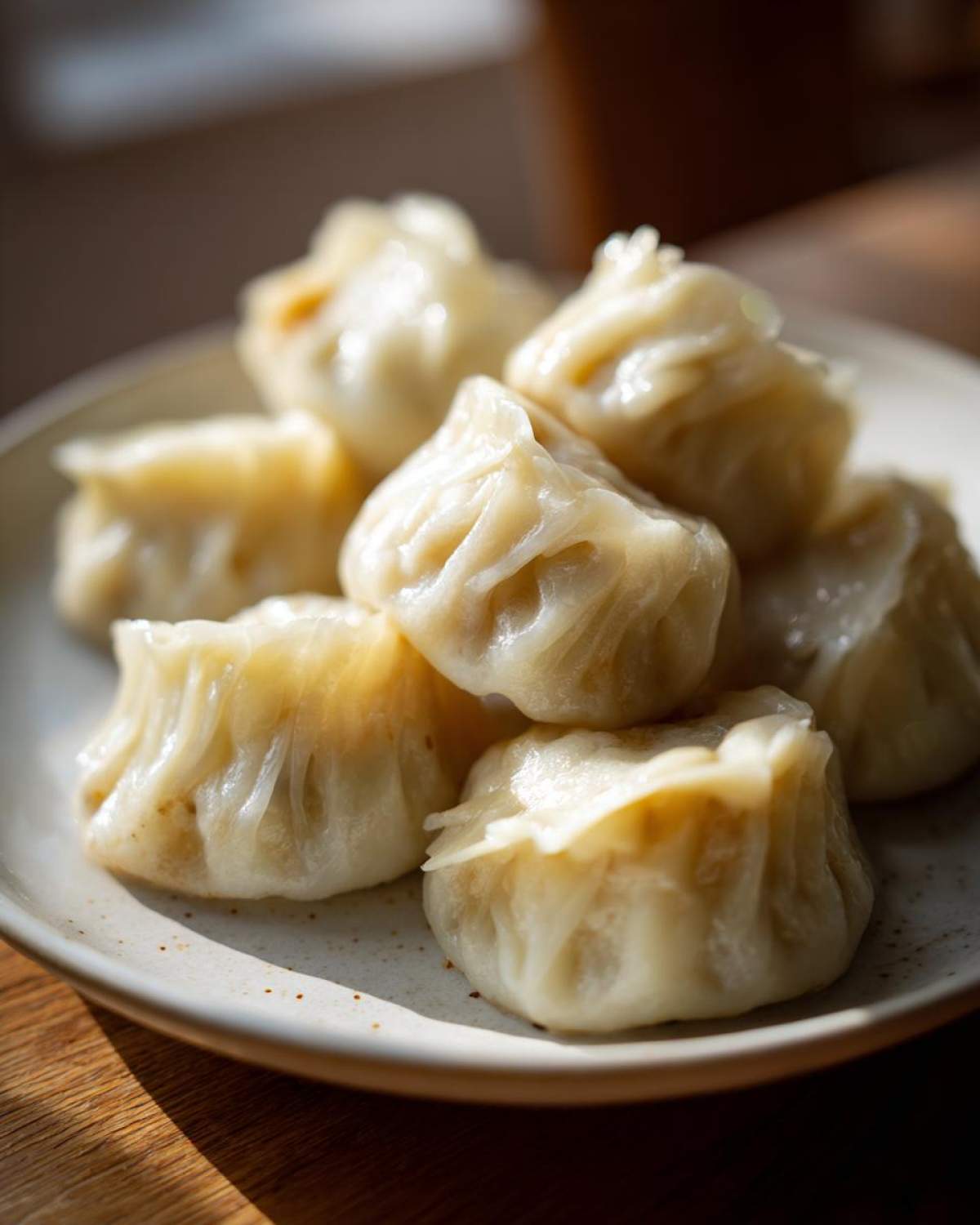
Time to cook! Get a huge pot of water salted, and bring it to a serious, rolling boil. You have to drop the dumplings in gently—don’t just dump them all in one spot or they’ll stick together forever. Keep the water boiling gently as they cook. After about 5 to 7 minutes, you’ll see them float right up to the surface. That’s your sign! When they float and look plump, scoop them out immediately. These perfectly boiled Chinese dumplings are ready to eat hot!
Expert Tips for Perfect Traditional Chinese Dumplings
Okay, we’ve made the dough, we’ve mixed the filling, and we’ve pleated our little hearts out. Now for the secrets that take these Traditional Chinese Dumplings from good to absolutely legendary. These are the little tweaks I learned over time that make a huge difference in the texture of our authentic jiaozi.
If you really want that super chewy wrapper, which I know some of you prefer, try using just a tiny bit less water when you first mix the dough—maybe start with about 3/4 cup instead of the full cup, depending on how dry your flour is that day. You want the dough firmer when kneading. It takes more muscle, but that chewiness in the cooked wrapper is incredible!
Another big thing is the filling temperature. If your filling feels lukewarm when you start wrapping, the dough gets soft too fast. I always chill my mixed filling for about 15 minutes before I start rolling. It keeps everything cool and neat. Plus, when you’re making big batches for the freezer, keeping things cold helps keep the final frozen batch looking perfect. You can check out how we use different proteins in our `Chicken Zucchini Stir-fry` for future inspiration!
Storing and Reheating Freezer Friendly Dumplings
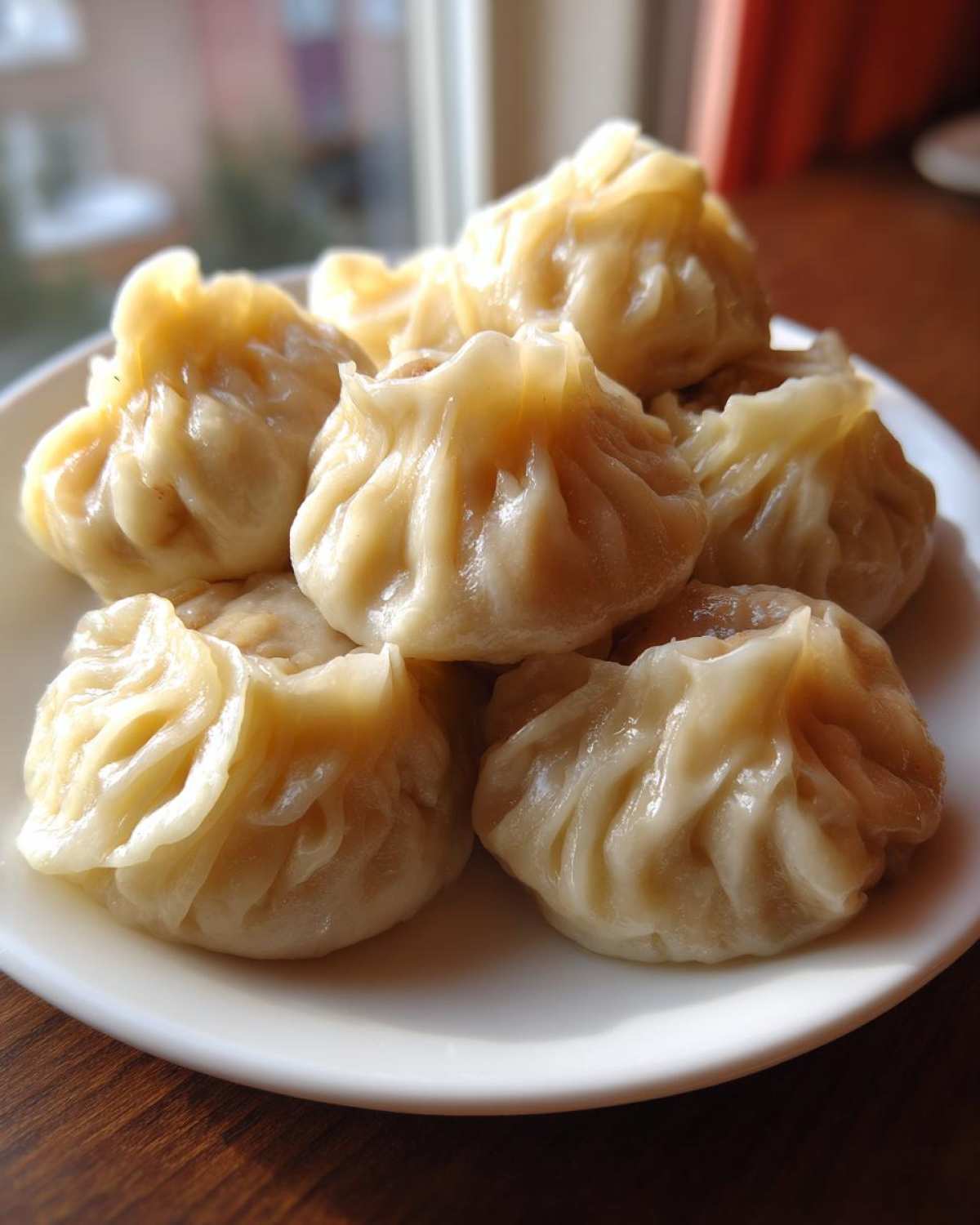
This is my favorite part, because making a huge batch of these Traditional Chinese Dumplings means we have dinner sorted for weeks! If you’ve got leftover uncooked dumplings, don’t let them sit in the fridge; freeze them right away. Lay them out on a baking sheet lined with parchment paper. Make sure none of them are touching! If they touch, they fuse into one giant frozen dumpling mass, and that is just sad.
Once they are rock solid—which usually takes a few hours in my freezer—you scoop them right into an airtight freezer bag. Ethan always double-checks the seal because we don’t want any freezer burn ruining our beautiful wrappers.
When you’re ready to cook these amazing freezer friendly dumplings straight from the frosty depths, just drop them into boiling water like normal, but add about 2 to 3 extra minutes to the cooking time. They’ll take just a little longer to heat through to the center. Perfection, every time!
Serving Suggestions for Your Jiaozi
Dumplings are great on their own, but let’s be real—they need a dipping sauce to really sing! We keep it super simple around here because the pork cabbage dumplings are already bursting with flavor. Ethan mixes up a quick blend of soy sauce, a splash of good rice vinegar, and sometimes a drizzle of chili oil if I’m feeling spicy that day.
If you’re looking to bulk up the meal without much fuss, these go wonderfully alongside some quick roasted veggies. You can find our super easy recipe for Garlic Herb Roasted Veggies if you need inspiration for a side dish!
Frequently Asked Questions About Traditional Chinese Dumplings
I knew you’d have questions! When we started making these Traditional Chinese Dumplings, we had so many head-scratchers too. It’s like Ethan says, baking might need precision, but wrapping needs practice. Here are the things people ask us most often about mastering these authentic jiaozi!
Can I use store-bought wrappers instead of homemade dumpling wrappers?
Oh, you totally can, and sometimes, especially on a crazy weeknight, I absolutely do! Nobody is judging you here! But look, since the whole point of this recipe is that incredible, doughy satisfaction, the homemade ones just win. They are usually softer when boiled Chinese dumplings and they manage the hearty pork filling so much better than the thin store-bought kind. My advice? Try making the dough once. If you love it, you’ll never go back!
What is the best way to cook these pork cabbage dumplings besides boiling?
Boiling is the most traditional route for these, but if you are craving that crispy bottom that makes your mouth water, you should absolutely try the pan-fry or potsticker method! You boil them first just like we do here, but right when they float, you drain most of the water out. Then you add a tablespoon of oil to the hot pan and cook them until the bottoms are golden brown and super crispy. You get the soft, steamed top and that amazing crunch on the bottom. They change dramatically—in a good way!
How do I ensure my lunar new year dumplings stay sealed?
This is crucial, especially if you plan on freezing them or doing that potsticker method! If the edges aren’t sealed right, your beautiful filling leaks out into the water and you end up with savory pork soup instead of lovely lunar new year dumplings. Always, always use a little bit of clean water right on the edges of the wrapper before you fold them over. That moisture acts like glue. Then, when you’re pleating, make sure you press firmly on those seams. If you feel any air trapped inside, push it out gently toward the open edge before you seal the very last pleat.
Estimated Nutritional Data for Traditional Chinese Dumplings
Now, I know some of you are trackers, and Ethan always encourages double-checking details, so here are the rough numbers for our Traditional Chinese Dumplings. Remember, because we are making everything from scratch—especially with the ground pork—this is just an estimate per serving of about five dumplings. If you use leaner pork or skip oily dipping sauces, your numbers will shift!
For more details on how we calculate these rough figures, you can always check out our full recipe disclaimer here: Our Health Disclaimer.
- Serving Size: 5 dumplings
- Calories: 280
- Fat: 14g
- Protein: 15g
- Carbohydrates: 25g
Share Your Culinary Adventure
We poured our hearts into mastering these pork cabbage dumplings, and now it’s your turn to set sail with them! Please give this recipe a try, leave us a star rating down below, and don’t forget to share your finished jiaozi with us. We love seeing your kitchen adventures—you can always reach out via our Contact Page to share feedback!
PrintAuthentic Pork and Cabbage Jiaozi (Traditional Chinese Dumplings)
Learn to make delicious, authentic Chinese dumplings from scratch, complete with homemade wrappers and simple pleating instructions. These pork cabbage dumplings are perfect for weeknights or Lunar New Year celebrations.
- Prep Time: 45 min
- Cook Time: 10 min
- Total Time: 55 min
- Yield: 4 servings
- Category: Dinner
- Method: Boiling
- Cuisine: Chinese
- Diet: None
Ingredients
- 2 cups all-purpose flour
- 1 cup warm water (plus more if needed)
- 1 pound ground pork
- 3 cups finely chopped Napa cabbage
- 1 tablespoon soy sauce
- 1 teaspoon sesame oil
- 1 teaspoon grated fresh ginger
- 1/2 teaspoon salt
- 1/4 teaspoon white pepper
Instructions
- Make the dough: Combine the flour and warm water in a bowl. Mix until a shaggy dough forms. Knead on a lightly floured surface for 8 to 10 minutes until smooth. Cover the dough with plastic wrap and let it rest for at least 30 minutes.
- Prepare the filling: In a large bowl, combine the ground pork, chopped Napa cabbage, soy sauce, sesame oil, ginger, salt, and white pepper. Mix everything together thoroughly until well combined.
- Roll the wrappers: Divide the rested dough into four equal pieces. Roll each piece into a long rope, about 1 inch thick. Cut the rope into 1-inch pieces. Roll each small piece into a thin, round wrapper, about 3 inches in diameter, keeping the edges slightly thinner than the center.
- Assemble the dumplings: Place about 1 teaspoon of filling in the center of a wrapper. Moisten the edges with water. Fold the wrapper in half to create a half-moon shape. Create pleats along the sealed edge to close the dumpling securely.
- Cook the dumplings: Bring a large pot of salted water to a rolling boil. Gently drop the dumplings into the boiling water, ensuring they do not stick together. Cook for 5 to 7 minutes, or until the dumplings float and the filling is cooked through.
- Serve immediately with your favorite dipping sauce.
Notes
- For freezer friendly dumplings: Place uncooked dumplings on a baking sheet lined with parchment paper, ensuring they do not touch. Freeze until solid, then transfer to an airtight freezer bag. Cook directly from frozen, adding 2 to 3 minutes to the cooking time.
- If you prefer boiled Chinese dumplings with a chewier wrapper, use slightly less water in the initial dough mix.
- To make the filling juicier, you can lightly salt the chopped cabbage and let it sit for 10 minutes, then squeeze out the excess water before mixing it with the pork.
Nutrition
- Serving Size: 5 dumplings
- Calories: 280
- Sugar: 1
- Sodium: 350
- Fat: 14
- Saturated Fat: 5
- Unsaturated Fat: 9
- Trans Fat: 0
- Carbohydrates: 25
- Fiber: 1
- Protein: 15
- Cholesterol: 55