

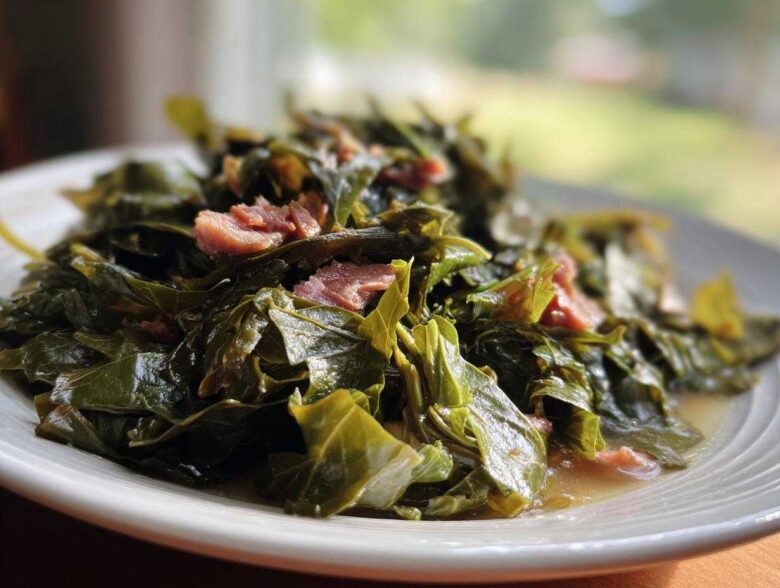
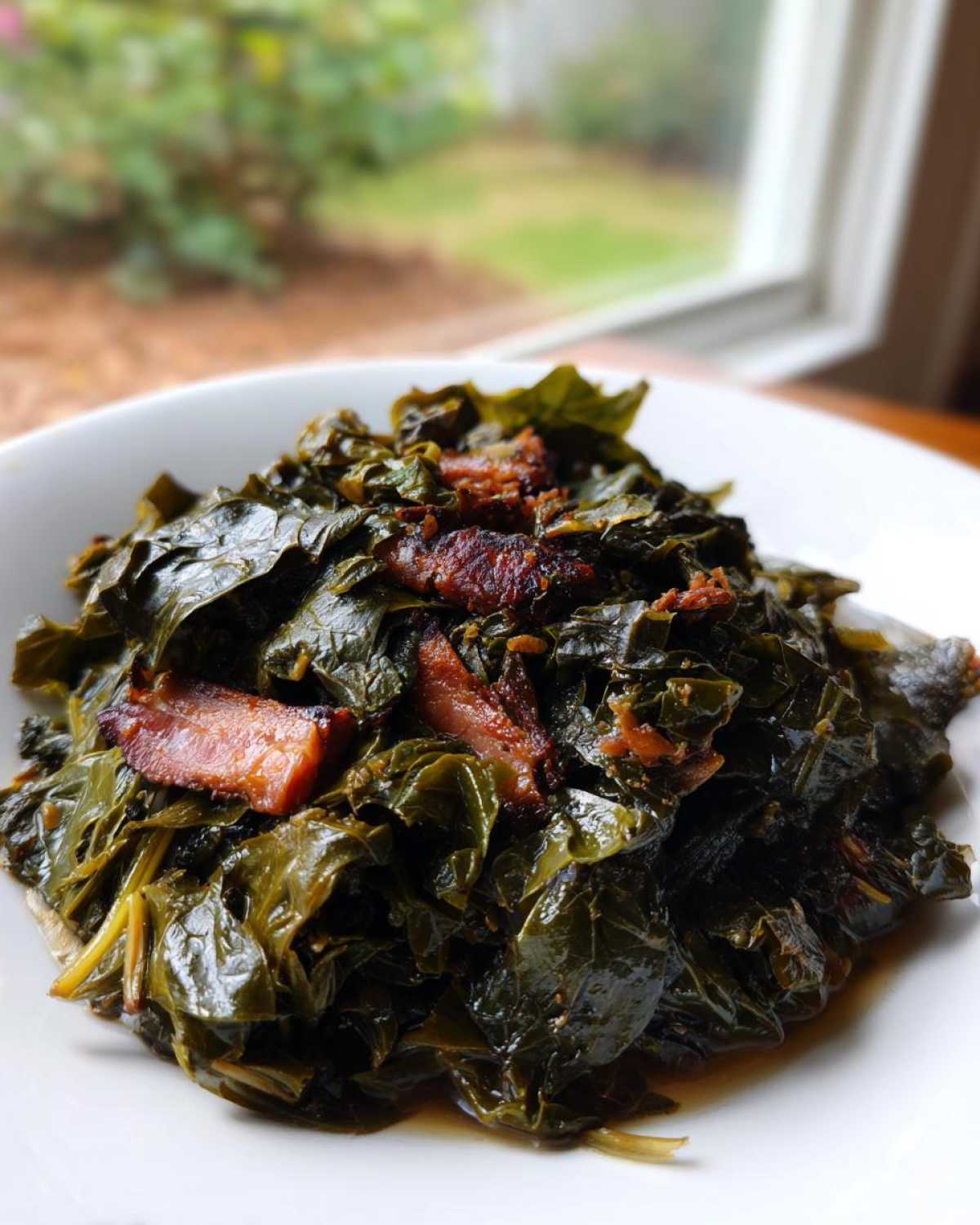
Look, some side dishes are just decorations on the plate, you know? But not these. When I serve a big bowl of deeply flavorful, melt-in-your-mouth collard greens, folks stop talking about everything else. They are the heart of a good Southern meal, period. Forget those thin, watery versions you sometimes get; we are going for the real deal here: authentic, smoky, and utterly traditional.
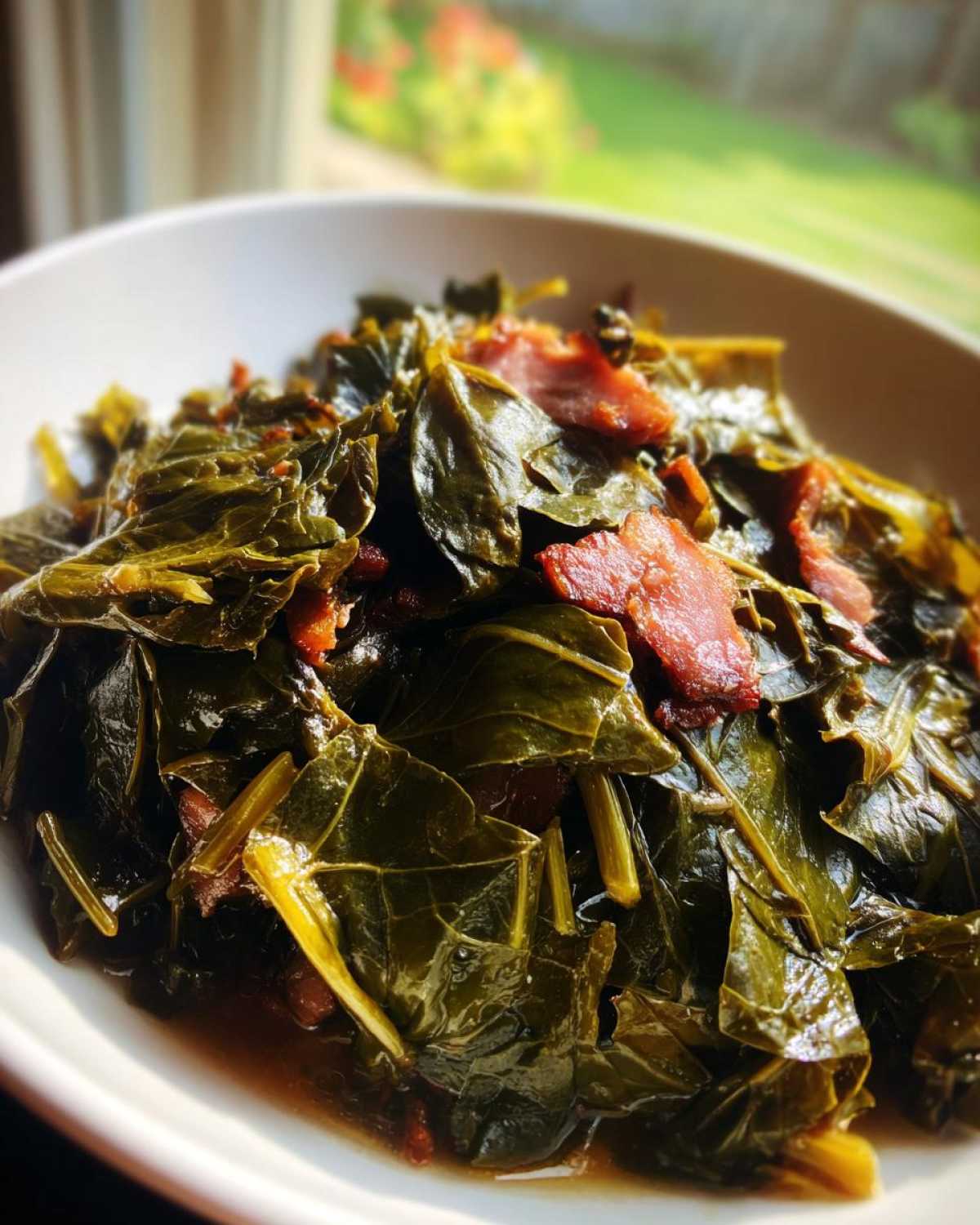
The secret, and I mean the absolute key to getting that perfect texture, is time. Don’t try to rush it! Cooking these greens low and slow is what breaks down those tough fibers and lets all that smoky goodness from the ham hock really soak in. That slow simmer is essential for developing that rich, soul-satisfying flavor that makes Classic Southern Cooking so famous. If you want to know a little more about where my cooking philosophy comes from, you can always check out my story here. Trust me, you need this recipe in your rotation for Sundays and holidays alike.
Why This is the Best Way to Make Tender collard greens
Honestly, you just can’t trick collard greens into tasting right if you try to rush them. When I say low and slow, I mean it—we’re talking two or three hours minimum over gentle heat. This timeframe is crucial because it completely transforms those usually tough, slightly bitter leaves.
That long simmer is what breaks down all the tough cellulose in the leaves. If you cut that time short, you end up with greens that fight back when you chew them, and nobody wants that! When they’re done right, they are just unbelievably soft, almost creamy, and they’ve absorbed so much depth from the smoked meat runoff. This gentle approach is why these greens shine as one of the best Southern Side Dishes out there. They’re proof that patience really does pay off in the kitchen.
If you’re looking for other main course ideas to serve these alongside, you can browse some of my dinner recipes over here.
Essential Ingredients for Flavorful collard greens
Okay, ingredients are where the magic starts for truly mouthwatering collard greens. This isn’t just about dumping vegetables in a pot; it’s about the foundation of flavor. You absolutely need about 2 pounds of fresh collard greens, and I mean washed until you are certain every speck of grit is gone, then chopped roughly into about 1-inch pieces. They look like a mountain when you start, but they shrink down!
The non-negotiable flavor builder here is the pork. You must use a smoked ham hock—and make sure you rinse it off a little before it goes into the pot! This single ingredient is what gives you those deep, rich, Smoky Flavor Greens we are after. If you can’t find a ham hock, four slices of thick-cut bacon, chopped up first, will do a decent job of rendering fat and flavoring the broth. Then we lean on simple things: a medium yellow onion, a couple of cloves of garlic, and crucially, apple cider vinegar for that necessary little tang at the end.
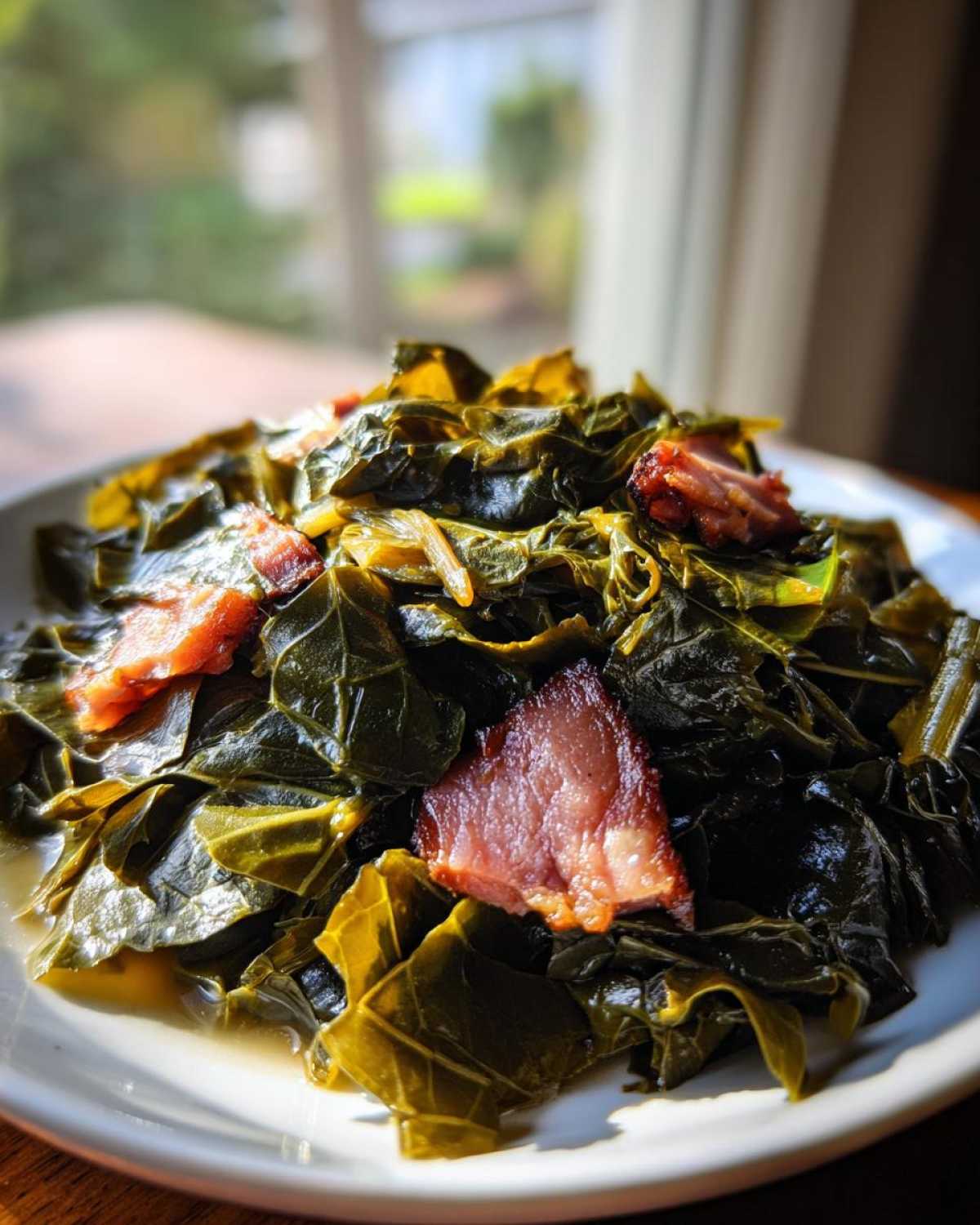
If you’re pairing this with my famous cornbread, you can grab that recipe right here!
Ingredient Notes and Substitutions for collard greens
I always get questions about the meat, so let’s talk twists! If you are making a pot of collard greens without meat, don’t just use water. Skip the ham hock, use good vegetable broth, and add about a teaspoon of smoked paprika. It mimics that deep smoky background flavor really well, making it great for Hearty Vegetarian Greens. You can find that note in the recipe card!
If you absolutely cannot find fresh bunches—which I highly recommend grabbing when they look crisp in the store—you can use frozen chopped greens in a pinch. Just skip the initial chopping step, but I still think fresh gives you a better overall texture, even if it takes a few extra minutes of washing.
Step-by-Step Instructions for Classic Southern collard greens
Now we get down to business! Don’t let the long cook time scare you; the actual hands-on effort here is minimal. First things first: washing. I can’t stress this enough. Fill your sink or a giant bowl with cold water and dunk those greens multiple times. Lift them out gently—don’t pour the water out, or the grit will just settle back onto your leaves! I usually repeat this three or four times until the bottom of the sink is completely clean. That’s an expert tip for making sure you don’t end up with sand in your teeth later!
Next, grab your biggest, heaviest pot—a Dutch oven is always my first choice for this, and you can read why I love mine right here. Put the chopped ham hock (or bacon) in over medium heat. We want that fat to melt out and sizzle nicely. Once it’s looking golden, pull the meat out briefly and set it aside, leaving all that precious rendered fat behind. Next, toss in your onion and cook it down until it’s soft and clear, then add the garlic for just a minute until you can smell it—careful not to burn it!
Now, dump those massive piles of greens right in! Add the meat back, pour in your broth or water, and don’t forget the vinegar, salt, pepper, and pepper flakes if you like a little kick. Everything goes in at once. Turn the heat up high and bring that whole pot to a rolling boil. This is important so the greens start wilting aggressively. Once it’s boiling hard, immediately drop that heat way, way down, cover it tight, and let it do its magic. This is what turns simple greens into true collard greens!
Achieving Deep Flavor: The Slow Simmer for collard greens
This is the transformation step. I always set a timer for two hours, but honestly, I usually let mine go the full three hours, or sometimes even a tiny bit longer. That low, slow cook time is exactly what makes these the ultimate Comfort Food Recipes.
During this time, everything melds together. The tough meat breaks down, the vinegar mellows out, and the broth gets rich and dark. You only need to stir it every 30 to 45 minutes so nothing sticks to the bottom, but otherwise, leave it alone! If you’re looking for decadent desserts to cap off a great Southern meal, maybe check out my buttermilk pie recipe for ideas.
Tips for Perfect Grandma’s collard greens Recipe Every Time
Once you’ve hit that 2-hour mark, it’s time to taste it—and this is where you treat those greens like they’re the star of the show, which they are! Remember that broth, what we affectionately call the ‘pot liquor’? It should taste punchy and rich. This is why we only skimpy on salt at the beginning; the liquid concentrates as it cooks.
Always wait until the greens are super tender—when you can easily cut them with a fork—before you start your final seasoning check. Add more salt, pepper, or even a tiny splash more vinegar if you feel it needs brightening up. The vinegar cuts through the richness of the ham hock fat perfectly. This final tweak is what separates a good side dish from a truly magnificent Tender Greens Recipe.
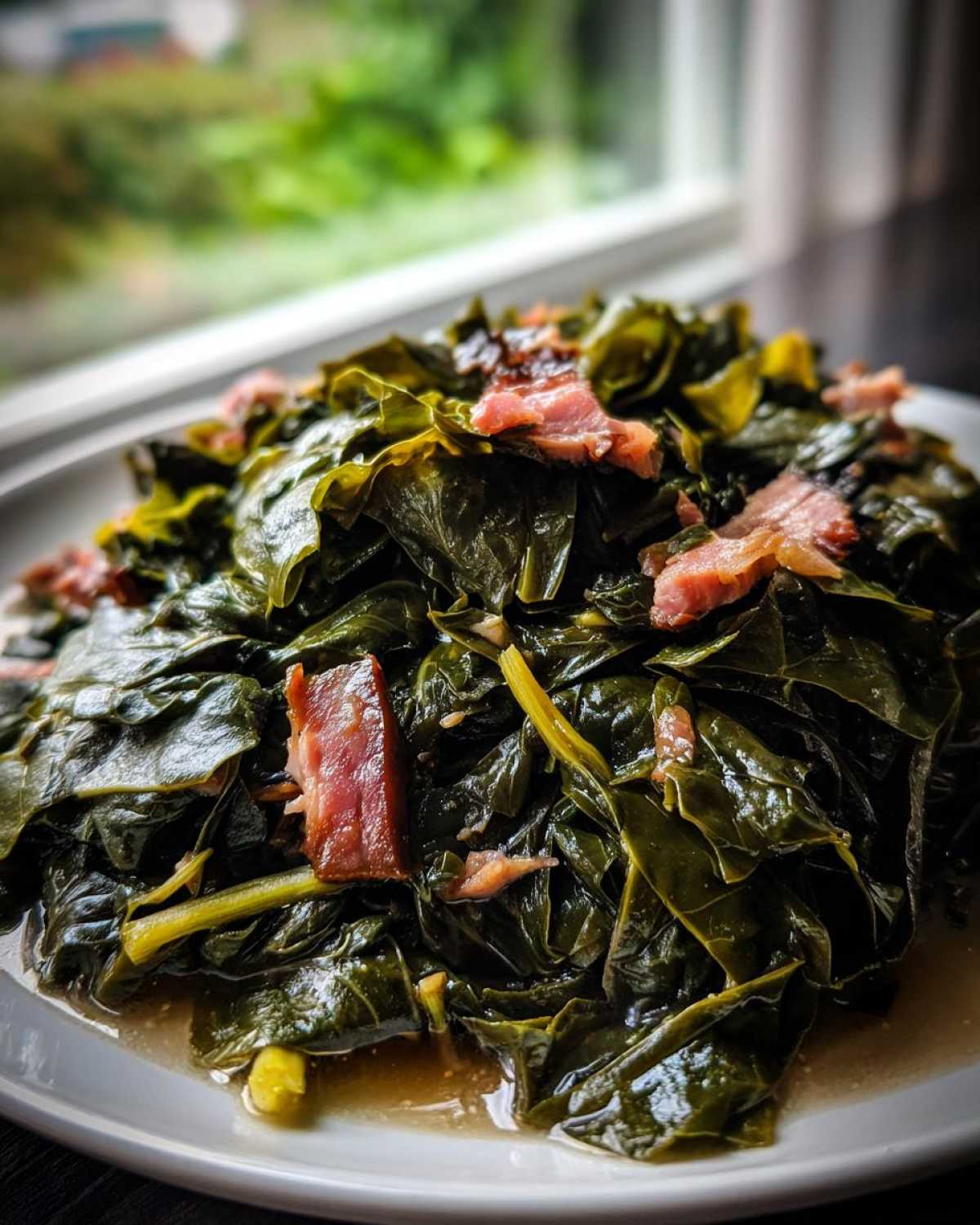
And please, don’t throw away that liquid! That dark, flavorful pot liquor is liquid gold. It’s packed with all the flavor from the pork, the onion, and the greens themselves. I always ladle a generous amount over a piece of my homemade cornbread when serving—it’s non-negotiable in my house. After dinner, if you have extra, that liquid keeps the greens deliciously moist in the fridge for days. You can’t beat the flavor the next day!
Serving Suggestions for Hearty collard greens
When you’ve put in the time for authentically flavorful greens, you have to serve them with proper company! These are truly some of the Best Collard Greens you’ll ever make, so pair them up with things that soak up that amazing pot liquor.
Cornbread is mandatory, of course. A slice just sitting there waiting to be drenched in the savory liquid is part of the experience. These also go wonderfully alongside smoked turkey, or even better, a big slice of baked ham if you are prepping these for a holiday spread. If you need a dessert to follow such a rich meal, you might want to check out my creamy sweet potato pie recipe. Keep that serving bowl handy because you won’t want to waste a drop of that broth!
Storage and Reheating Traditional American Sides
The great news about really well-cooked greens is that they always seem to get even better the next day! They have totally settled overnight, and that smoky flavor just tightens up. You can store your leftovers, whether it’s the greens or that precious pot liquor, in an airtight container in the fridge for up to four days. Don’t even bother with the microwave if you can help it!
Microwaving tends to make the greens heat unevenly and can sometimes give them a slightly limp texture. I much prefer reheating them gently on the stovetop in that same heavy pot over low heat, maybe adding just a tiny splash of extra water or broth if they look too dry. If you are looking for other vegetable prep ideas for different meals, I have some good roasting tips here which might inspire you for another night!
Frequently Asked Questions About Southern Side Dishes
I always get a flood of questions whenever I post this recipe because people want their Southern Side Dishes to turn out exactly like mine! Here are some of the things I hear most often:
Can I make these greens without meat for a vegetarian option?
Oh, absolutely you can! I get it, sometimes you need something without pork, but you still want that smoky depth. You’ll definitely want to skip the ham hock, but please don’t just use water or plain broth! For our Hearty Vegetarian Greens version, I strongly recommend using vegetable broth and adding about a teaspoon of *smoked* paprika along with maybe just a drop or two of liquid smoke if you have it. That will mimic the deep flavor left behind by the ham hock and keep your greens tasting rich, not bland.
What is the best way to wash collard greens to remove all the grit?
This is probably the most important question for any beginner making greens! Grit is the enemy. Don’t just rinse them under the faucet; that just moves the dirt around. You need three big bowls, or your clean sink, filled with cold water. Dunk a huge section of greens into the first bowl, swish them around aggressively, and then *lift* them out into the second bowl. Don’t pour the water out, or the grit at the bottom of Bowl 1 will just land on your clean leaves!
Repeat that transfer process—from dirty water to slightly cleaner water—through all three bowls. By the time you lift them out of the last bowl, they should be sparkling clean and ready for chopping. It takes a minute longer, but trust me, nobody wants a crunchy bite in their perfectly tender greens!
Can I adapt this recipe for my Slow Cooker Greens method?
Yes, you totally can! That slow cooker is a champ for hands-off cooking. You’ll just follow steps one through three on the stovetop—browning the meat and sautéing the onions and garlic in that fat—and then transfer everything to your slow cooker. Instead of simmering for 3 hours, you’ll cook on LOW for 6 to 8 hours or on HIGH for about 3 to 4 hours. It works wonderfully and means you don’t have to watch the stove all afternoon. Just make sure you check the liquid level halfway through!
How long do I need to cook ham hock recipes like this?
When dealing with meaty bones like a ham hock, the general rule for anything that needs to be fall-off-the-bone tender—whether it’s collards or beans—is time. For these Ham Hock Recipes, you need at least two hours on the stovetop, but honestly, for the *best* results, aim for that full three hours. That’s when the collagen breaks down enough to flavor the broth beautifully and tenderize the greens perfectly. If you see the liquid getting too low before the greens are soft, just add another cup of hot water or broth.
If you need to reach out to me with more recipe questions, you can always find my contact info right here.
Nutritional Estimate for This Flavorful Vegetable Side
I always feel a little sheepish sharing nutrition facts because, let’s be honest, when you’re making something this comforting and traditional, you aren’t really worried about the calorie count—you’re worried about the flavor! But for those of you keeping track, I put together a basic estimate based on how much broth is absorbed and the size of the ham hock I use.
Keep in mind these are just rough guides, folks! Everything changes depending on how much fat renders out of your specific ham hock or how much liquid you reduce. If you use a leaner cut of bacon instead, the fat content will drop, for instance. For a typical one-cup serving, here’s what you’re generally looking at:
- Calories: Around 110
- Total Fat: About 6 grams
- Protein: Close to 7 grams
- Carbohydrates: Roughly 9 grams
- Fiber: A solid 4 grams
Because we are heavily relying on smoked meat and broth, the sodium might look a little high (around 450mg, give or take), so taste before you generously salt at the end! As always, you can find full details about sourcing and disclaimers on my site right here. These greens are absolutely packed with vitamins, though, so enjoy them guilt-free as a fantastic, fiber-rich addition to your meal!
Share Your Experience Making This Classic Southern Cooking Recipe
I truly love hearing from you all when you try my recipes, especially something as cherished as these Classic Southern Cooking greens! Once you’ve simmered them low and slow to perfection, I really want to know how they turned out for you.
Did you stick with the smoked ham hock, or did you go for the bacon substitute? How long did it take you to get them perfectly tender? If you got rich, dark pot liquor, you nailed it!
Please take a second to leave a rating below—I always aim for five stars based on my long cooking tradition, but honest feedback helps everyone! If you snap a photo of your beautiful, tender greens, tag me on social media! It absolutely makes my week to see these dishes making their way onto your family tables. You can check out my main recipe blog feed here for inspiration on what to make next week!
PrintAuthentic Slow-Cooked Southern Collard Greens
Make tender, flavorful Southern collard greens cooked low and slow with smoked ham hocks for deep, traditional taste.
- Prep Time: 20 min
- Cook Time: 3 hours
- Total Time: 3 hours 20 min
- Yield: 6 servings
- Category: Side Dish
- Method: Stovetop Simmering
- Cuisine: Southern American
- Diet: Low Fat
Ingredients
- 2 pounds fresh collard greens, washed and chopped
- 1 smoked ham hock (or 4 slices thick-cut bacon, chopped)
- 6 cups chicken broth or water
- 1 medium yellow onion, chopped
- 2 cloves garlic, minced
- 1 tablespoon apple cider vinegar
- 1 teaspoon salt (or to taste)
- 1/2 teaspoon black pepper
- 1/4 teaspoon red pepper flakes (optional)
Instructions
- Rinse the collard greens thoroughly under cold water to remove grit. Chop the leaves into bite-sized pieces.
- In a large Dutch oven or heavy-bottomed pot, cook the ham hock (or bacon) over medium heat until the fat renders and the meat is lightly browned. Remove the meat and set aside, leaving the rendered fat in the pot.
- Add the chopped onion to the pot and cook in the rendered fat until softened, about 5 minutes. Add the minced garlic and cook for 1 minute more until fragrant.
- Return the ham hock (or bacon) to the pot. Add the chopped collard greens, chicken broth, apple cider vinegar, salt, pepper, and red pepper flakes if you are using them.
- Bring the liquid to a boil, then immediately reduce the heat to low. Cover the pot tightly.
- Simmer the greens slowly for 2 to 3 hours, or until the greens are very tender and the liquid has reduced and become flavorful. Stir occasionally.
- Taste the greens and adjust salt and pepper as needed. Remove the ham hock bone before serving, shredding any meat from the bone and returning it to the pot.
Notes
- For a vegetarian version, omit the ham hock and use vegetable broth. Add 1 teaspoon of smoked paprika for a smoky flavor substitute.
- The cooking time determines tenderness; cook longer for softer greens.
- Save the pot liquor (the cooking liquid) to serve over cornbread or rice.
Nutrition
- Serving Size: 1 cup
- Calories: 110
- Sugar: 3
- Sodium: 450
- Fat: 6
- Saturated Fat: 2
- Unsaturated Fat: 4
- Trans Fat: 0
- Carbohydrates: 9
- Fiber: 4
- Protein: 7
- Cholesterol: 15