

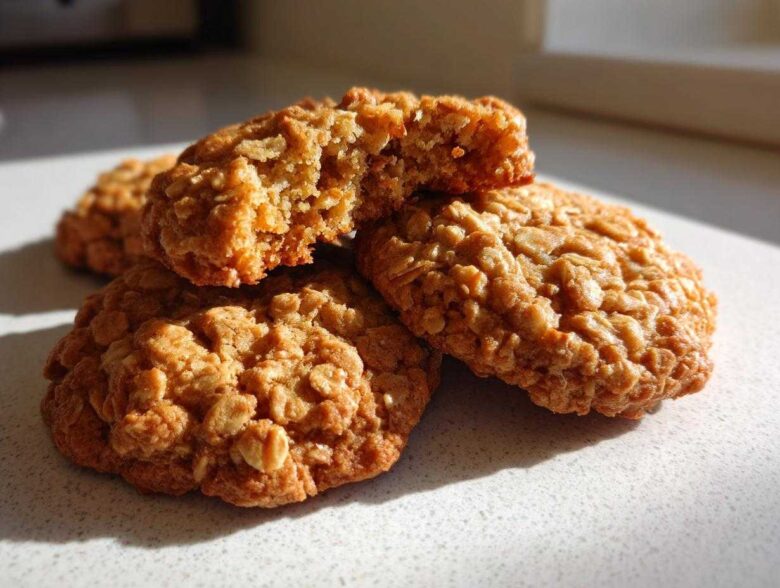
Forget those dry, crumbly hockey pucks that sometimes pass for homemade oatmeal cookies! We are on a mission today to conquer the texture of all textures: perfectly soft, wonderfully chewy, and deeply satisfying. Believe me when I say that finding the ultimate balance—that beautiful, hearty cookie texture—took me years of experimentation. After countless batches, I finally perfected this oatmeal cookies formula to give you the best oatmeal cookie recipe you’ll ever need. You can check out more of my baking adventures over at my main blog page! Get ready for some serious comfort food baking!
Why This is the Best Oatmeal Cookie Recipe for Chewy Results
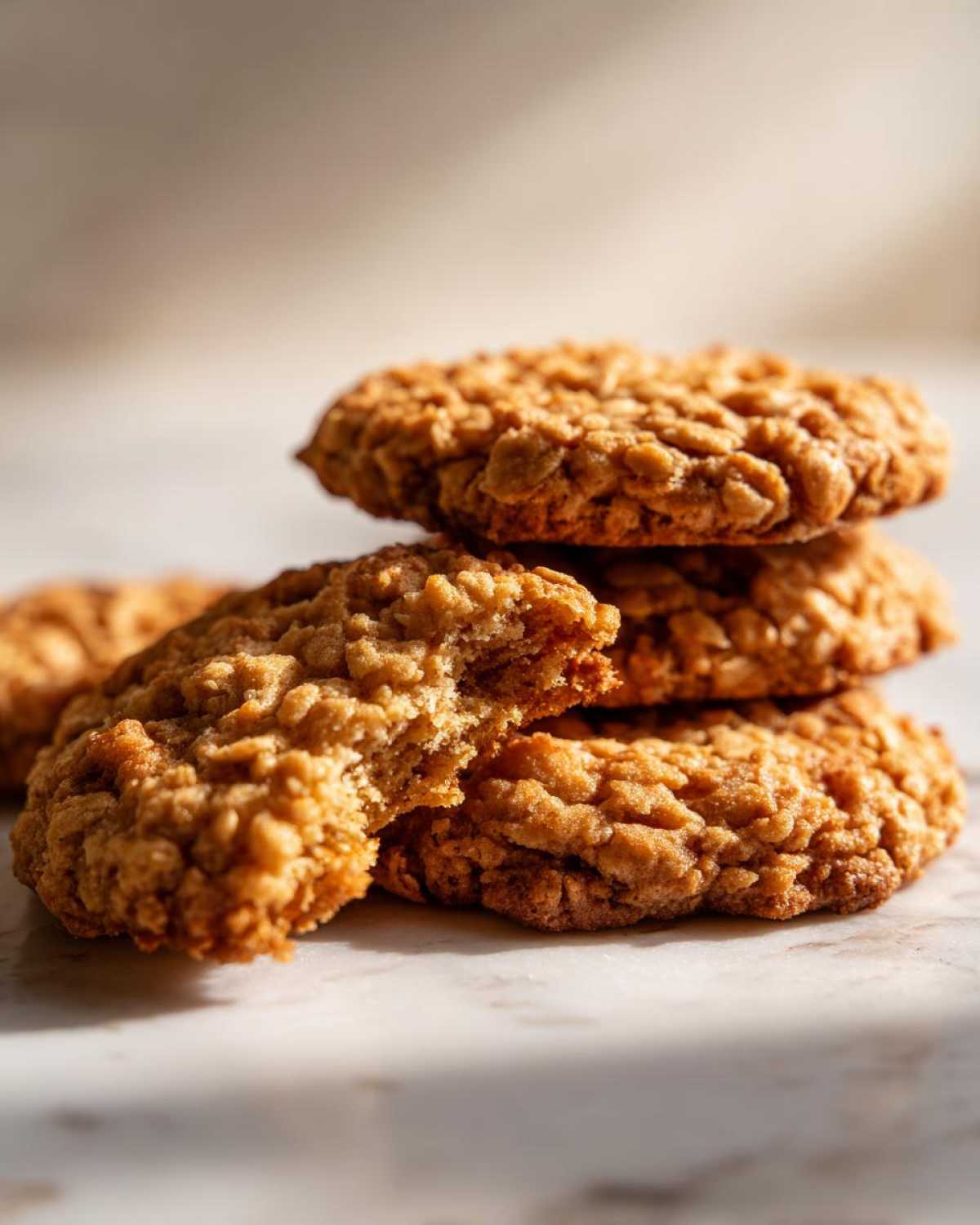
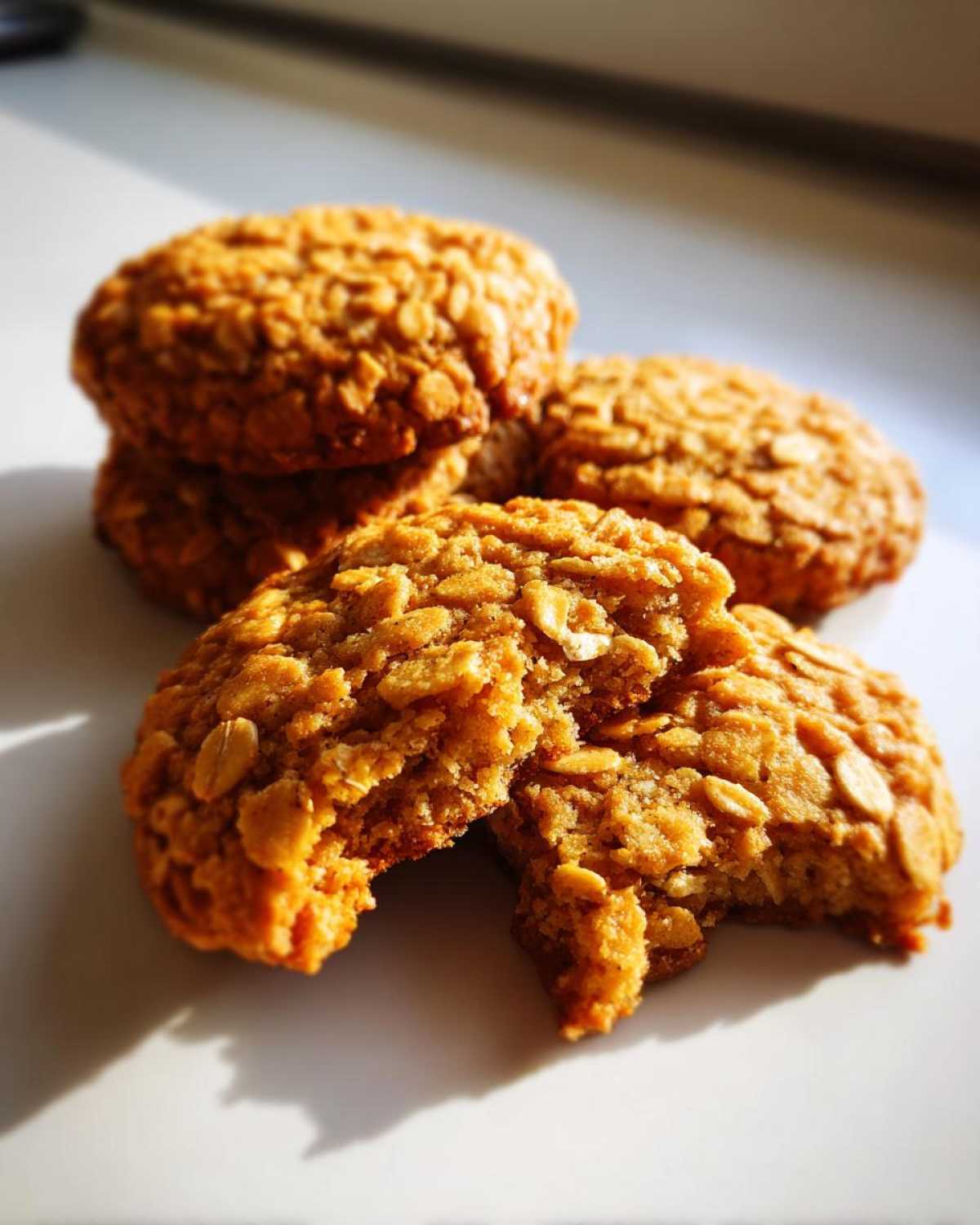
What sets this recipe apart from all the other oatmeal cookies out there? It’s all about the science of texture, friends! This isn’t just a random mix; it’s the best oatmeal cookie recipe because I finally nailed the ratios. If you want that satisfying, hearty cookie texture, you can’t cheat the sugar. We use way more brown sugar than white sugar. That brown sugar is non-negotiable because the molasses keeps everything incredibly soft, even after the cookies have cooled down completely. Also, forget those quick-cooking oats; we definitely need the structure that only old-fashioned rolled oats provide for the perfect chew.
Key Ingredients for Soft Oatmeal Cookies
Honestly, when aiming for soft oatmeal cookies, it comes down to two stars: the oats and the sugar. Make sure you’re buying the rolled kind, not the instant dust! And that brown sugar does the heavy lifting for moisture. By controlling those two elements, your cookies will have that classic, pillowy center every single time. If you want to dig deeper into other cookie textures, I wrote a whole piece on chewy sourdough chocolate chip cookies right over here! Check that out if you’re feeling adventurous!
Gathering Your Ingredients for Classic Oatmeal Cookies
Let’s talk about what you need to pull this fantastic batch of homemade oatmeal cookies together. I’ve listed them out here, and trust me, being specific about what you grab matters! If you decide before you start that you want to try my brown butter snickerdoodle recipe next, I’ve got notes on that, too! You can see that amazing recipe here! But for these cookies, gather up your two sticks of unsalted butter—and it absolutely must be softened up nicely, not melted, mind you.
You’ll need both sugars: a full cup of light brown sugar, and make sure you pack it down into the cup—that molasses is our secret weapon! Then grab a half-cup of regular white granulated sugar. For the structure, measure out a cup and three-quarters of all-purpose flour, and make sure you also have your teaspoon of baking soda and a half teaspoon of salt waiting right there. The main event, of course, is the oats; you need three full cups of old-fashioned rolled oats. Seriously, don’t substitute with quick oats here; we need that hearty texture! And finally, have two big eggs and one teaspoon of vanilla extract ready. If you choose to add mix-ins like raisins or chocolate chips, measure out one cup of whatever makes your heart sing.
Step-by-Step Instructions for Easy Oatmeal Cookies
Okay, now that we have all our beautiful ingredients lined up, let’s get baking! You want these easy oatmeal cookies to come out perfectly every time, so timing and order matter a tiny bit. First things first: fire up that oven to 350 degrees Fahrenheit. While it’s warming up, grab your baking sheets and line them with parchment paper. Trust me, that paper is the only thing saving you from scrubbing caramelized sugar off your pans later! If you’re looking for another simple baking win while you wait, I just posted a recipe for super easy naan bread that takes barely any effort.
Mixing the Dough for Chewy Oatmeal Cookies
Grab your biggest bowl! We’re creaming the butter—remember, softened but not melty—with both the brown sugar and the white sugar. Beat this until it gets light and fluffy; you’re literally whipping air into the dough, which helps with texture later! Then, beat in your eggs one at a time, making sure they are fully incorporated before adding the next one. A splash of vanilla goes in here, too. Now for the dry stuff: whisk the flour, baking soda, and salt together in a separate bowl. Add that flour mixture to your wet ingredients slowly, mixing on low speed, and stop just as the streaks disappear. Seriously, stop mixing! Overmixing the flour develops gluten, and we want chew, not tough sneakers, for our chewy oatmeal cookies.
Baking and Cooling Your Homemade Oatmeal Cookies
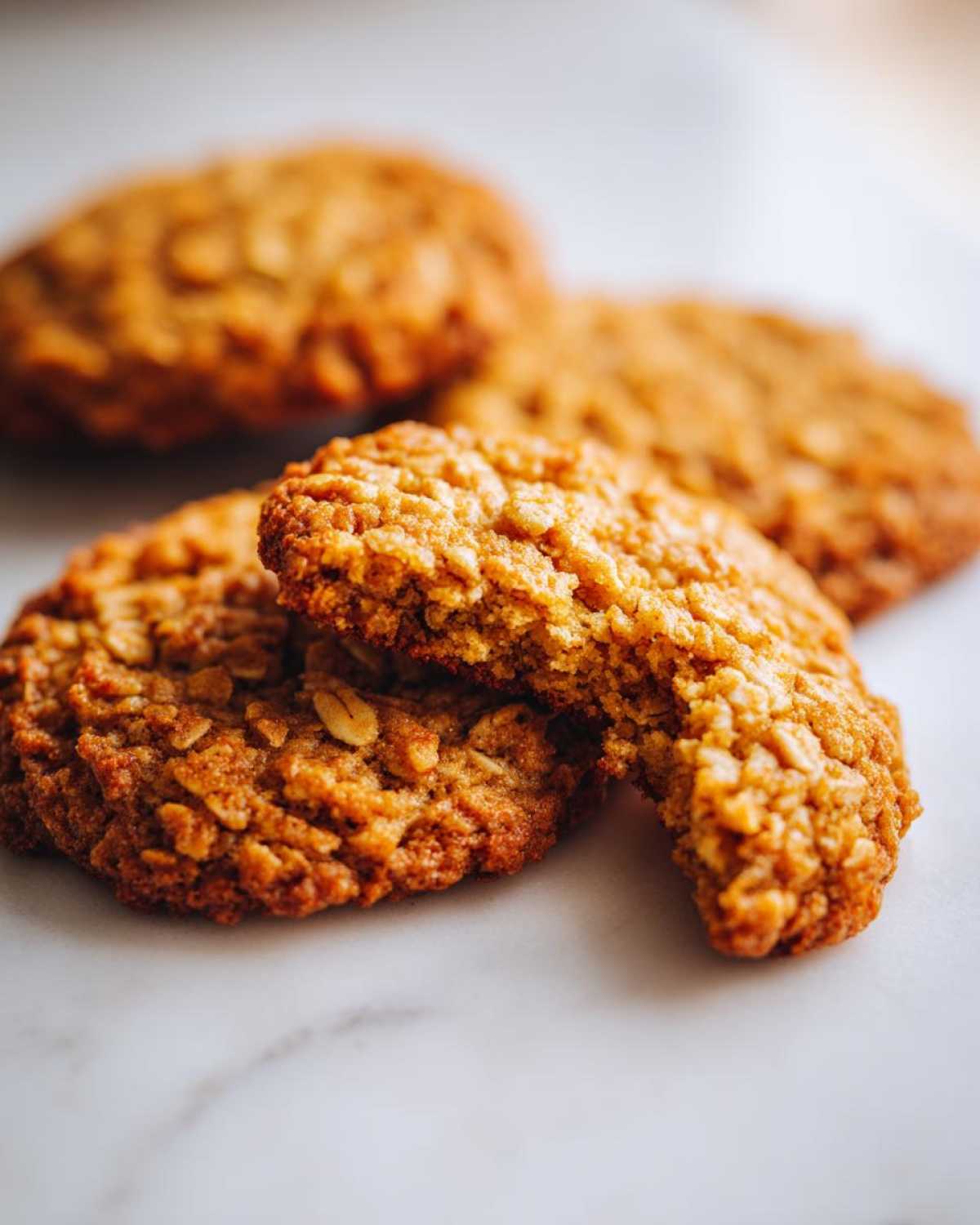
This is the fun part! Once the flour is *just* combined, take your mixer off and fold in those rolled oats and whatever you chose—raisins, chips, whatever! Use a rounded tablespoon to drop your dough onto the parchment-lined sheets, leaving about two inches between them so they have room to spread out comfortably. Pop them into that 350-degree oven for 10 to 12 minutes. I’m judging doneness by the look: you want the edges to just start turning a light golden brown, but the centers should still look a little soft and slightly underbaked. They firm up so much on the pan! That’s the magic trick for soft oatmeal cookies. Let them hang out on the baking sheet for a good five minutes to set up before carefully moving your batch of homemade oatmeal cookies over to a wire rack to cool completely.
Tips for Perfecting Your Oatmeal Cookies Texture
Now that you have the basic steps down, let’s chat about taking these amazing oatmeal cookies from good to legendary status. I used to wonder why some batches spread too thin or came out a bit cakey, but these little tweaks, taken straight from my endless test kitchen scribbles, guarantee that ultra-soft and chewy texture we are after every single time.
First up: the chill factor. If you look at my notes, I mentioned chilling the dough. Don’t skip this if you want thicker cookies! Putting that buttery dough in the fridge for even 30 minutes slows down the spread when it hits the hot oven. This means you get those gorgeous, mounded homemade oatmeal cookies instead of thin discs. It’s such an easy step, but it makes a huge difference in how high they bake.
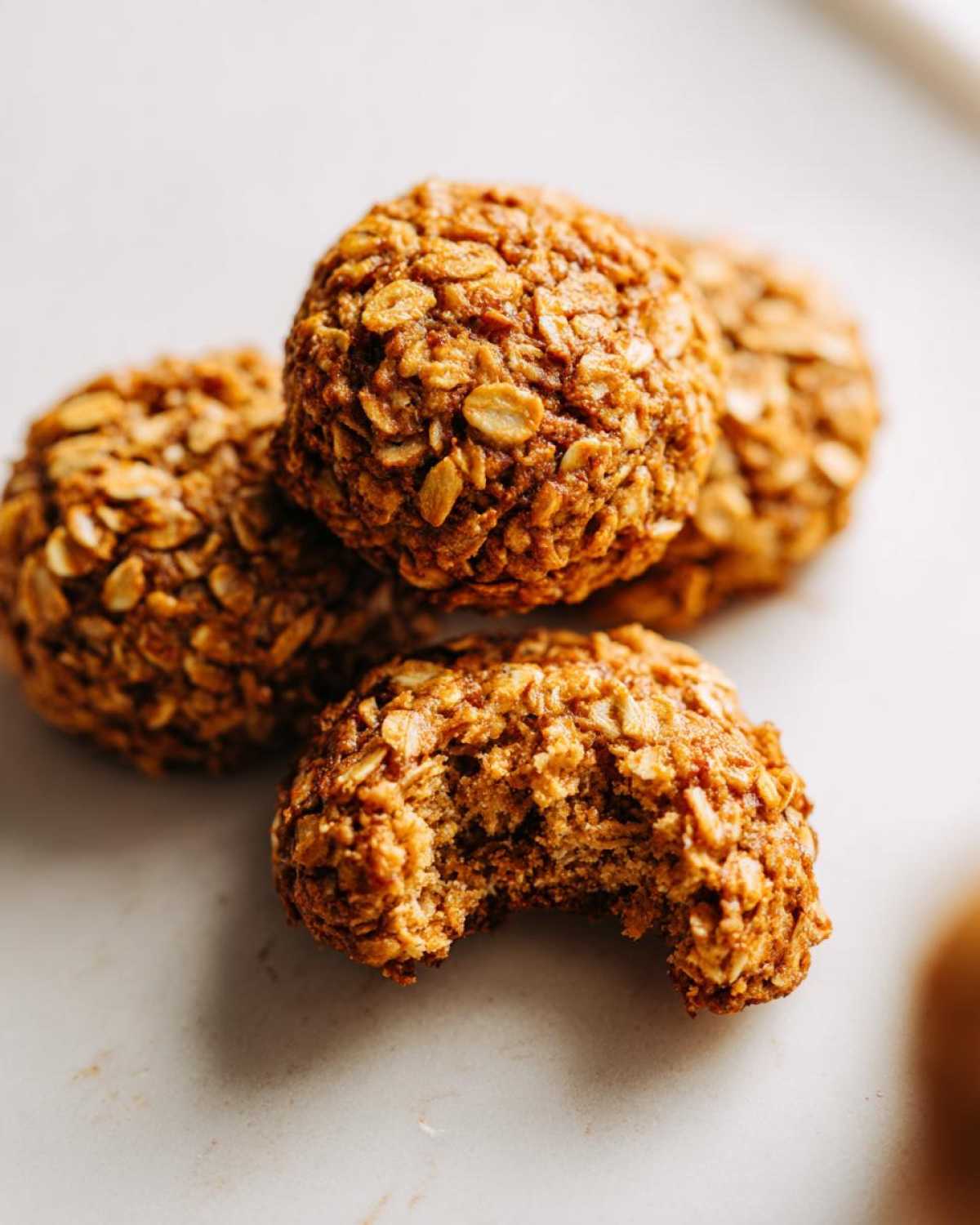
Remember what I said about slight underbaking? This is critical for achieving those ultimate chewy oatmeal cookies. Seriously, pull them out when they look just done to you—maybe even a little naked in the middle—because they keep baking on that hot sheet pan. If you wait until they look perfectly golden-brown all over, you’ll end up with a crunchier cookie later on. You want them to look set, but still soft enough to gently dent when you poke them.
We already talked about the sugar, but let’s really focus on it for a second. If you want to lean even harder into that deep, rich, molasses flavor that just screams comfort food baking, swap out the light brown sugar for *dark* brown sugar. It adds a gorgeous depth that pairs so beautifully with the oats. It’s a subtle difference, but true cookie aficionados notice! If you love playing with textures and flavors, you should check out the secrets behind my soft and chewy snickerdoodle recipe next; it uses a similar philosophy about controlling the bake!
These simple adjustments ensure you get consistently soft oatmeal cookies that have that wonderful, satisfying chew. It’s not magic, just a little know-how about what sugar and heat do to those oats!
Variations: From Oatmeal Raisin Cookies to Chocolate Chip
The beauty of this simple dessert cookies base recipe is how easily it plays nice with additions! Once you master the soft and chewy foundation for these classic oatmeal cookies, you can really start having fun. We all know and love the absolute classic additions, but you can definitely swap things up based on what time of year it is or what you have lingering in the pantry.
If you grew up with the comforting taste of oatmeal raisin cookies, this recipe is perfect for you! Just make sure those raisins get plump first. I always soak mine in a little hot water or apple juice for about ten minutes before stirring them into the dough right before baking. This stops them from sucking the moisture right out of your cookie centers, keeping everything wonderfully soft.
But let’s talk about chocolate chips for a second, because who doesn’t love oatmeal chocolate chip cookies? Whether you use milk, semi-sweet, or dark, stirring them in at the very end is the way to go. If you want an extra blast of chocolate flavor, try stirring in about a cup of chopped chocolate chunks instead of uniform chips. I also have a phenomenal recipe for chocolate chip banana bread if you are looking for more ways to use those chips!
If you’re feeling bold—and trust me, you should be—try adding spices! A quarter teaspoon of ground cloves or even a pinch of cardamom alongside your cinnamon and nutmeg takes these right up a notch. If you want a full-on spice experience, you have to look at my recipe for chai-spiced oatmeal raisin cookies; it’s incredible how those warm spices marry the oats.
Don’t be afraid to throw in some chopped walnuts or pecans either, roughly a half-cup should do the trick. Nuts always add that little bit of crunch that contrasts so nicely with the overall chewy oatmeal cookies texture. Honestly, once you master this base, your cookie repertoire is wide open!
Storage and Make Ahead Tips for Oatmeal Cookies
Okay, baking these amazing oatmeal cookies is only half the battle, right? The real question is, how do we keep them tasting like they just came out of the oven tomorrow, or next week? Good news: these are fantastic make ahead cookies! They hold their chewiness better than almost any other cookie I bake, which is why they’re such a staple around my house. I always keep a batch ready for unexpected visitors!
For short-term storage—say, up to five days—just keep them airtight at room temperature. Use a good cookie jar or a heavy-duty plastic container with a tight lid. I actually like storing them with a single slice of bread in the container; the cookie absorbs some of that moisture, which keeps them soft. Don’t ask me why it works, it just does!
If you’re planning ahead, freezing is your best friend. You have two options here. Freezing the baked oatmeal cookies is simple: just make sure they are completely cooled before you stack them. Put a layer of wax paper between the layers so they don’t stick together. They’ll last for about three months tucked away in the freezer.
But my favorite trick for those busy weeknights? Freezing the raw dough! Roll your dough into those tablespoon-sized balls, place them on a baking sheet lined with parchment paper, and freeze them until they are solid as rocks. Once frozen, transfer those dough balls into a heavy zip-top bag. Now you can bake just two or three cookies whenever the craving hits! You can find more of my favorite freezing recipes and tips on my make ahead cookies page.
When you decide it’s time to bake those frozen dough balls, don’t thaw them first—just toss them straight into your 350-degree oven. You’ll need to add about two or three extra minutes to the baking time since they are starting from frozen. And remember the rule: pull them when they look slightly soft in the middle! A little underbaking now guarantees you get perfectly soft oatmeal cookies later tonight.
Frequently Asked Questions About Making Oatmeal Cookies
When you’re working on perfecting a classic comfort food like oatmeal cookies, it’s natural to have questions pop up. I’ve gathered the most common things people ask me about texture, substitutions, and getting that look just right. I hope these quick tips help you nail your next batch of these simple dessert cookies!
If you’re dreaming about those beautiful, glazed treats, I actually have a fantastic, dedicated recipe for iced oatmeal cookies that I highly recommend exploring after you master this chewy base.
Can I substitute quick oats for old-fashioned oats in these oatmeal cookies?
That is such a common question! The short answer is yes, you *can* substitute them, but here is the deal: you absolutely change the final texture of your oatmeal cookies. Quick oats are more processed and they break down much faster during baking. If you use them, your cookies will be denser, a bit more uniform, and they definitely won’t have that wonderful, hearty, slightly rustic chew that old-fashioned rolled oats provide. If you’re okay with a softer, more cake-like result, go for it! But for the best oatmeal cookie texture, stick to the rolled ones we used in the main recipe.
My oatmeal cookies came out flat! What went wrong?
Ugh, flat cookies are the worst! Usually, this happens for one of two reasons, and it has everything to do with fat and temperature. If your butter was too warm or melted when you creamed it with the sugar, you essentially started the melting process too early. Butter needs to be soft enough to incorporate air, but still cool enough to hold its structure. The second common culprit, especially for thinner cookies, is skipping the chill time. If you don’t give that dough 30 minutes to firm up in the fridge, it melts too fast in the oven, leading to pancakes instead of those lovely, thick homemade oatmeal cookies.
Can I make these without any mix-ins—just plain oatmeal cookies?
Yes! If you’re looking for the most basic, classic oatmeal cookies, just skip adding the raisins or chocolate chips. You’ll still get amazing flavor from the brown sugar and the oats, and it makes for a wonderful snack cookie. They actually brown up a little quicker without the extra bulk, so watch your baking time closely!
How do I make sure my cookies are chewy and not crispy?
This comes back to the two themes we keep hitting on—sugar and bake time. For maximum chewiness, use that brown sugar (more molasses = more moisture retention). But the biggest factor is pulling them early! If you want that soft, slightly gooey center that signals perfect chewy oatmeal cookies, take them out of the oven when the edges look solid but the center still looks a bit puffy and unbaked. The residual heat on that baking sheet finishes them off perfectly to that ideal state.
Nutritional Snapshot of These Simple Dessert Cookies
I know some of us like to keep track of what we’re eating, even when we are enjoying the best comfort food baking around! These classic oatmeal cookies are hearty, and they certainly offer a bit of substance compared to a standard shortbread, which is why they make such satisfying simple dessert cookies. Below you’ll find the estimations based on the recipe above, assuming you didn’t load them up with extra chocolate chips or nuts—those additions will change the numbers, so keep that in mind!
Please remember, these numbers are just estimates. They don’t account for slight variations in your ingredients, the brand of butter, or whether or not you decided to add a cup of tasty raisins or chocolate chips to the mix. For the most accurate information, you might want to check out my full baking disclaimer page for more details on how these numbers are calculated!
- Serving Size: 1 cookie
- Calories: 180
- Sugar: 14g (Mostly from the brown sugar, which keeps them chewy!)
- Fat: 9g
- Protein: 3g
- Carbohydrates: 24g
- Fiber: 2g
See? Not too bad for a homemade oatmeal cookie that tastes this amazing. That fiber from the oats really helps balance things out!
Share Your Homemade Oatmeal Cookies Experience
Well, that’s it! You are now armed with the best knowledge to bake truly exceptional, chewy, and soft oatmeal cookies. I really hope these join your list of tried-and-true favorites. Now, it’s your turn to get in the kitchen!
I absolutely live to hear how your baking turned out. Seriously, did you nail that soft center? Did you go for the raisins or the chocolate chips? Please tell me everything in the comments section below! If you have the chance, leave a rating for the recipe—it really helps other bakers find this classic oatmeal cookie recipe.
If you snapped a picture of your beautiful batch of homemade oatmeal cookies, I’d love to see them! You can always reach out to me directly through my contact page if you have a specific question or just want to send a picture my way. Happy baking, and enjoy every single perfectly textured bite!
PrintChewy and Soft Classic Oatmeal Cookies
A straightforward recipe for making soft and chewy classic oatmeal cookies using common pantry ingredients.
- Prep Time: 15 min
- Cook Time: 12 min
- Total Time: 27 min
- Yield: 24 cookies
- Category: Dessert
- Method: Baking
- Cuisine: American
- Diet: Vegetarian
Ingredients
- 1 cup (2 sticks) unsalted butter, softened
- 1 cup packed light brown sugar
- 1/2 cup granulated sugar
- 2 large eggs
- 1 teaspoon vanilla extract
- 1 3/4 cups all-purpose flour
- 1 teaspoon baking soda
- 1/2 teaspoon salt
- 3 cups old-fashioned rolled oats
- 1 cup raisins or chocolate chips (optional)
Instructions
- Preheat your oven to 350 degrees Fahrenheit. Line baking sheets with parchment paper.
- In a large bowl, beat the softened butter, brown sugar, and granulated sugar with an electric mixer until the mixture is light and fluffy.
- Beat in the eggs one at a time, mixing well after each addition. Stir in the vanilla extract.
- In a separate medium bowl, whisk together the flour, baking soda, and salt.
- Gradually add the dry ingredients to the wet ingredients, mixing on low speed until just combined. Do not overmix.
- Stir in the rolled oats and any additions like raisins or chocolate chips by hand.
- Drop rounded tablespoons of dough onto the prepared baking sheets, spacing them about 2 inches apart.
- Bake for 10 to 12 minutes, or until the edges are lightly golden brown and the centers look set but still soft.
- Let the cookies cool on the baking sheet for 5 minutes before transferring them to a wire rack to cool completely.
Notes
- For chewier cookies, slightly underbake them. They will firm up as they cool.
- If you prefer a stronger molasses flavor, use dark brown sugar instead of light brown sugar.
- Chill the dough for 30 minutes before baking if you want thicker cookies.
Nutrition
- Serving Size: 1 cookie
- Calories: 180
- Sugar: 14g
- Sodium: 95mg
- Fat: 9g
- Saturated Fat: 5g
- Unsaturated Fat: 4g
- Trans Fat: 0g
- Carbohydrates: 24g
- Fiber: 2g
- Protein: 3g
- Cholesterol: 30mg