

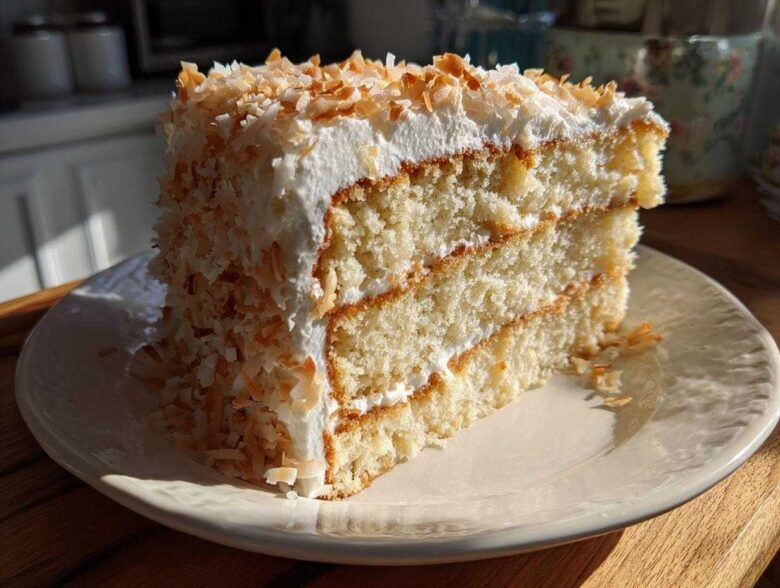
If you have ever walked past a bakery display and sighed, wishing you could bring that perfect slice of tropical heaven home, stop sighing! Ethan and I spend so much time trying to translate those impossible-to-replicate bakery textures into our kitchen, and folks, we’ve cracked the code on this one. If you’re looking for the absolute Best Moist & Fluffy Southern Coconut Cream Cake Recipe, you’ve found it. This isn’t just any coconut cake; it’s the confection we lean on for every big celebration. It’s the result of serious trial-and-error (mostly Chloe’s enthusiastic chaos!) balanced with Ethan’s need for things to work perfectly every time. Trust me when I say this cake will make you look like a pastry pro! If you want to know more about how our chaotic but delicious kitchen works, check out our About Us page.
Why This Southern Coconut Cake Recipe is Your New Favorite
Honestly, this cake just hits different. It’s what all the best recipes strive for: absolute tropical perfection without being too dense or heavy. We didn’t just name it the best for fun; it genuinely stands out. Here’s why I know this Southern coconut cake will become your go-to when you need something truly impressive.
- It nails that moist coconut cake texture—no dry crumbs around here!
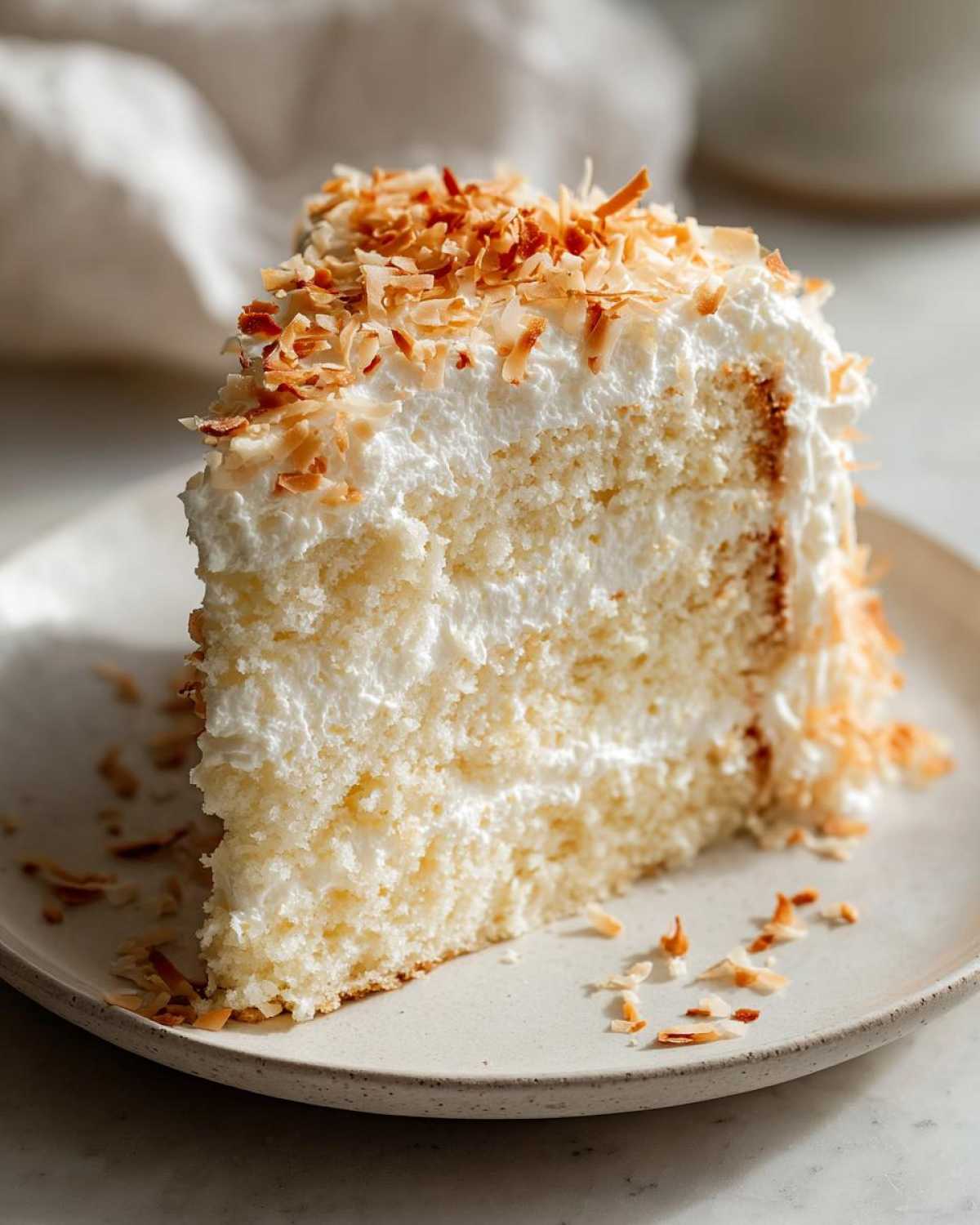
- The layers are unbelievably light and fluffy, which is hard to achieve with coconut.
- The frosting is tangy, rich, and tastes exactly like it came from a high-end bakery.
We actually linked this method over in our banana bread post because the principle of gentle mixing is universal!
Achieving That Dreamy, Fluffy Texture
The fluffiness comes down to temperature and technique. You absolutely must have your butter, eggs, and milk at room temperature. It lets them emulsify better, meaning you whip tiny air pockets into the batter right from the start. When we mix it according to the steps, the batter looks airy—that’s the secret to a light, fluffy coconut cake.
The Rich Coconut Cream Frosting Homemade Secret
Most people just use butter and sugar for their frosting, but for this coconut cream frosting homemade, we add cream cheese! That little bit of tang cuts through the sweetness of the sugar and the coconut milk, and it helps stabilize the whole thing so it holds up beautifully when you stack the layers. It makes for the best coconut frosting homemade, trust me.
Gathering Ingredients for Your Moist Coconut Cake Recipe
Okay, now for the fun part: gathering the goods! Making a seriously delicious, moist coconut cake recipe hinges entirely on what you bring to the bowl. Since we’re aiming for that dreamy, bakery-style outcome, quality and temperature matter way more than you think. If you forget to set things out, run, don’t walk, to the microwave for a quick 10-second zap on the butter or milk—just don’t melt them! This recipe demands precision, which is where Ethan likes to hover nearby, making sure I use exactly one tablespoon of extract, not a “splash.” For more tips on how we make our cherry cake work so well, take a peek at the instructions for our cherry cake; the prep logic is the same!
Cake Layer Components
For the cake layers themselves, you need to be very specific. Not just any flour, sugar, or milk will do if you want that incredible light texture. Here is exactly what you need to pull out for the batter:
- 1 3/4 cups all-purpose flour
- 1 3/4 cups granulated sugar
- 1 tablespoon baking powder
- 1/2 teaspoon salt
- 1 cup unsalted butter, softened (make sure it’s truly soft!)
- 4 large eggs, room temperature (this is non-negotiable for fluffiness!)
- 1 cup whole milk, room temperature
- 1/2 cup coconut milk (this must be full fat for the flavor)
- 1 tablespoon coconut extract
- 1 teaspoon vanilla extract
- 1 cup sweetened shredded coconut (this is mixed right into the batter)
For the Coconut Cream Frosting Homemade
The frosting is where that tropical tang really shines, thanks to a little something special we sneak in. Here are your list items just for the delicious topping:
- 1/2 cup cream cheese, softened
- 1/2 cup unsalted butter, softened
- 3 cups powdered sugar, sifted (sifting prevents little lumps)
- 1/4 cup coconut milk (for the frosting consistency)
- 1 teaspoon coconut extract (yes, more coconut!)
Step-by-Step Instructions for the Best Coconut Cake
Alright, it’s time to get that oven going! If you follow these steps exactly, you’ll see why everyone calls this the best coconut cake. Baking this beauty is all about timing, especially when you’re dealing with those creamy, moist layers. Like with our easy layer cake recipes, you want to move with purpose but without rushing the crucial mixing stages.
Preparing the Light Fluffy Cake Layers
First things first: get that oven preheated to 350°F (175°C). I always grease and flour my two 9-inch pans, and then I cut out parchment circles to line the bottoms—it’s my insurance policy against sticking! Now, combine your dry bits: flour, sugar, baking powder, and salt. Next, add that softened butter and mix on low. It’s going to look like wet sand, which is perfect. Now you slowly introduce the wet stuff—the room temp eggs, milks, extracts—a little bit at a time. If you dump it all in, the batter splits, and you lose all that precious fluff! Once it’s just combined, gently fold in that cup of shredded coconut for the layers. Don’t even *think* about overmixing; we want tenderness, remember?
Making the Creamy Coconut Frosting Homemade
While the cakes are chilling out on the rack—and seriously, they MUST be cool—we whip up the topping. In a trusty mixer, beat your softened cream cheese and butter until they are perfectly smooth. No lumps allowed! Then, add your sifted powdered sugar bit by bit. Once that’s incorporated, bring the speed up! This is the moment for drama: add the final splash of coconut milk and the extract, and beat it fast until it looks voluminous and dreamy. That whipping action is what makes this coconut frosting homemade so light and fluffy.
Assembling Your Coconut Layer Cake
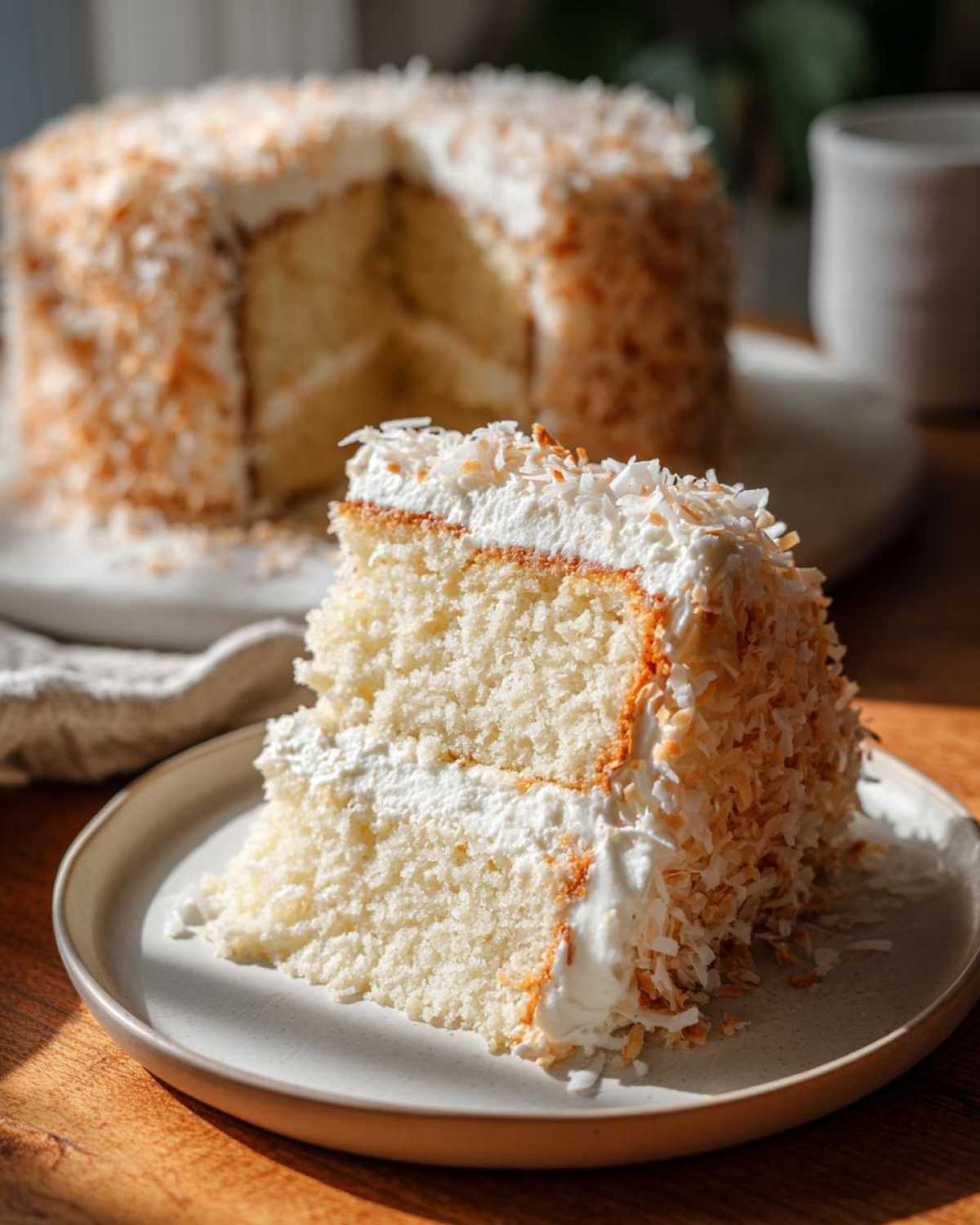
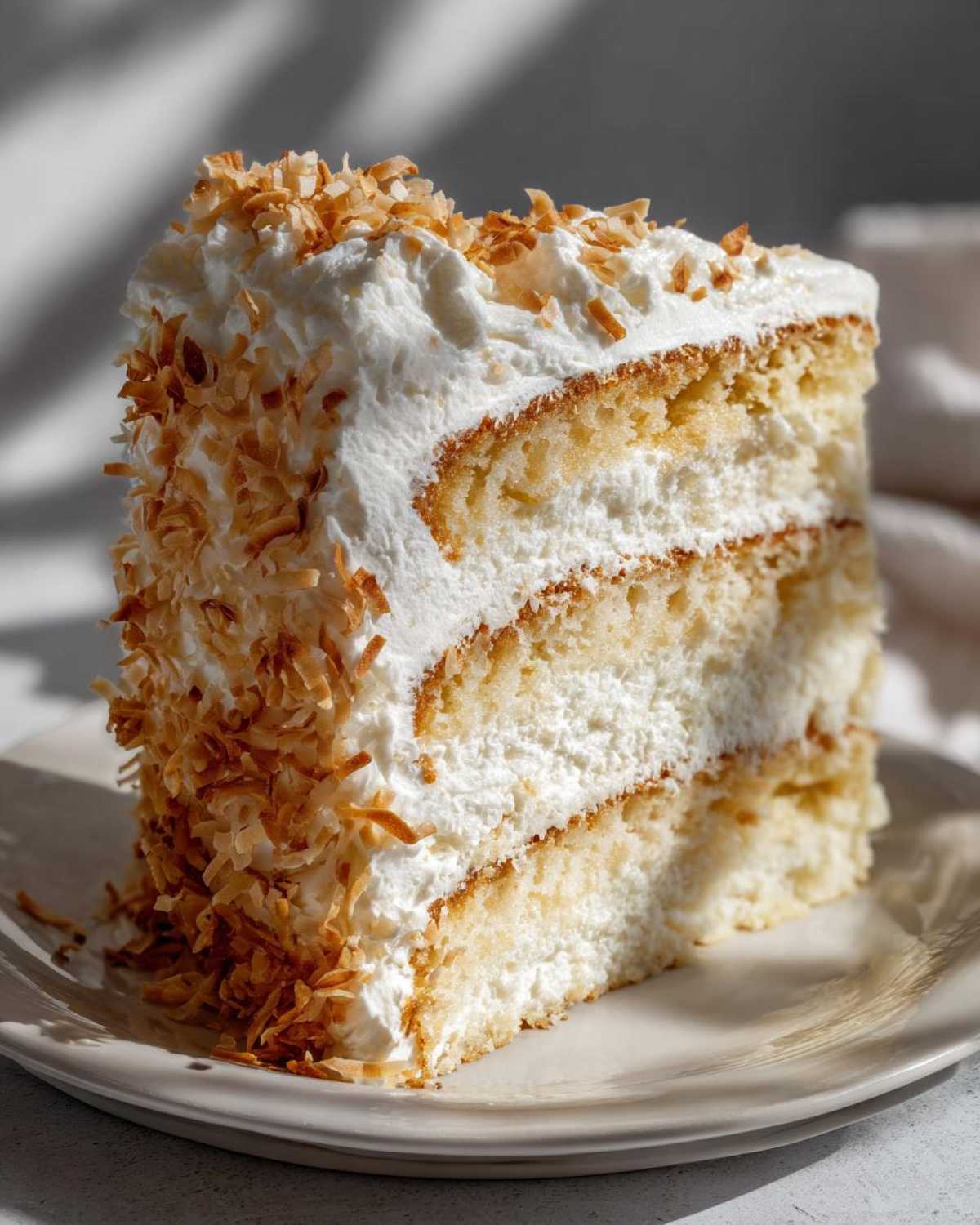
Cooling is critical. If your layers are even slightly warm, you’ll just end up with one big, lovely puddle of melted coconut frosting, and nobody wants that! Once they are completely cool, place your first layer down. Be generous when spreading the first layer of frosting—we are building a showstopper coconut layer cake here. Top it with the second layer, and then cover the entire masterpiece, top and sides, with the rest of that amazing frosting. Finally, to get that true bakery look, take your toasted coconut flakes and gently press them all over the sides and on top. If you haven’t toasted your coconut yet, see the expert tips below—it makes a huge difference!
Expert Tips for a Bakery Style Coconut Cake
Even if you follow every single step for this coconut cake, these little tricks are what pull it from “homemade delicious” territory into full-on “I bought this at a fancy shop” territory. Ethan always reminds me that baking is about controlling variables, and I think these tips help us control the chaos better!
The biggest thing I learned when practicing this recipe for our upcoming anniversary party was the power of heat management. Temperature is everything when you’re aiming for that bakery style result.
Ensure Everything is Actually Room Temperature
I know I mentioned room temperature ingredients earlier, but let’s dive deeper into why this keeps your cake beautifully moist. If your eggs or milk are cold, they shock the butter mixture when you add them in, which causes everything to curdle slightly. That curdling means you lose air! For this fluffy coconut cake, you want that smooth, pale yellow stage when creaming the butter and sugar. If you see any chunks or separation, stop mixing immediately and gently warm the bowl over a pot of warm (not hot!) water for just a minute, then keep beating. It’s a lifesaver, honestly.
The Magic of Toasting Shredded Coconut
Using untoasted coconut in the batter is fine, but we use it in two ways for maximum flavor impact. Toasting the coconut flakes you use for garnish is crucial. Ethan thinks I’m obsessed, but the difference is huge! Spread that sweetened shredded coconut on a baking sheet—just a thin layer, please—and pop it into the oven while the cakes are cooling. You need to watch it like a hawk, maybe 5 to 8 minutes at 350°F (175°C). You’re looking for golden edges, not charcoal! That subtle nutty warmth is what makes the finish truly special on this homemade coconut cake.
Don’t Skip the Parchment Paper Insurance
I used to think buttering and flouring the pans was enough, but coconut has sugar, and sugar burns and sticks! When you’re making a beautiful coconut layer cake, the absolute worst part is having the edges stick when you try to flip it out. For this recipe, trace the bottom of your cake pans onto parchment paper, cut out the circles, and lay them in *after* greasing. It takes an extra three minutes, but I promise you, the easy release is worth having a perfect, untorn layer to frost. If you want more tips on how we prep pans for rich bakes like our chocolate cake, check out that post!
Variations on the Classic Coconut Dessert
While this Southern coconut cake is truly divine as a layer cake, sometimes you just need to mix things up, right? I love having versatile recipes that can transition from elegant dinner party centerpiece to casual Sunday treat. We always try to think about how this core flavor profile—that creamy, sweet coconut—can live in other dessert forms. It’s so fun to see how a few little tweaks completely change the vibe of this classic coconut dessert!
If you are serving a crowd or just ran out of time to fuss with stacking layers, we have some genius ways to adapt this recipe. We often use these same flavor combinations in our holiday bakes; check out how we adapted some of these ideas for our Christmas poke cake!
Making a Coconut Cream Poke Cake
Okay, if you want fast flavor absorption, you *have* to try turning this into a coconut cream poke cake. It is such an easy way to guarantee moisture! Once your cakes come out of the oven and are still slightly warm (but not hot!), let them cool for just a few minutes, then use the handle end of a wooden spoon or a thick skewer to poke holes all over the top. Don’t be shy; poke deep! Instead of pouring condensed milk over the top like some recipes, I love using the leftover full-fat coconut milk mixed with a little extra sugar. Pour that sweet liquid gently into the holes; the warm cake just soaks it right up. Once cooled, you frost it as usual. It’s intensely flavored and unbelievably soft!
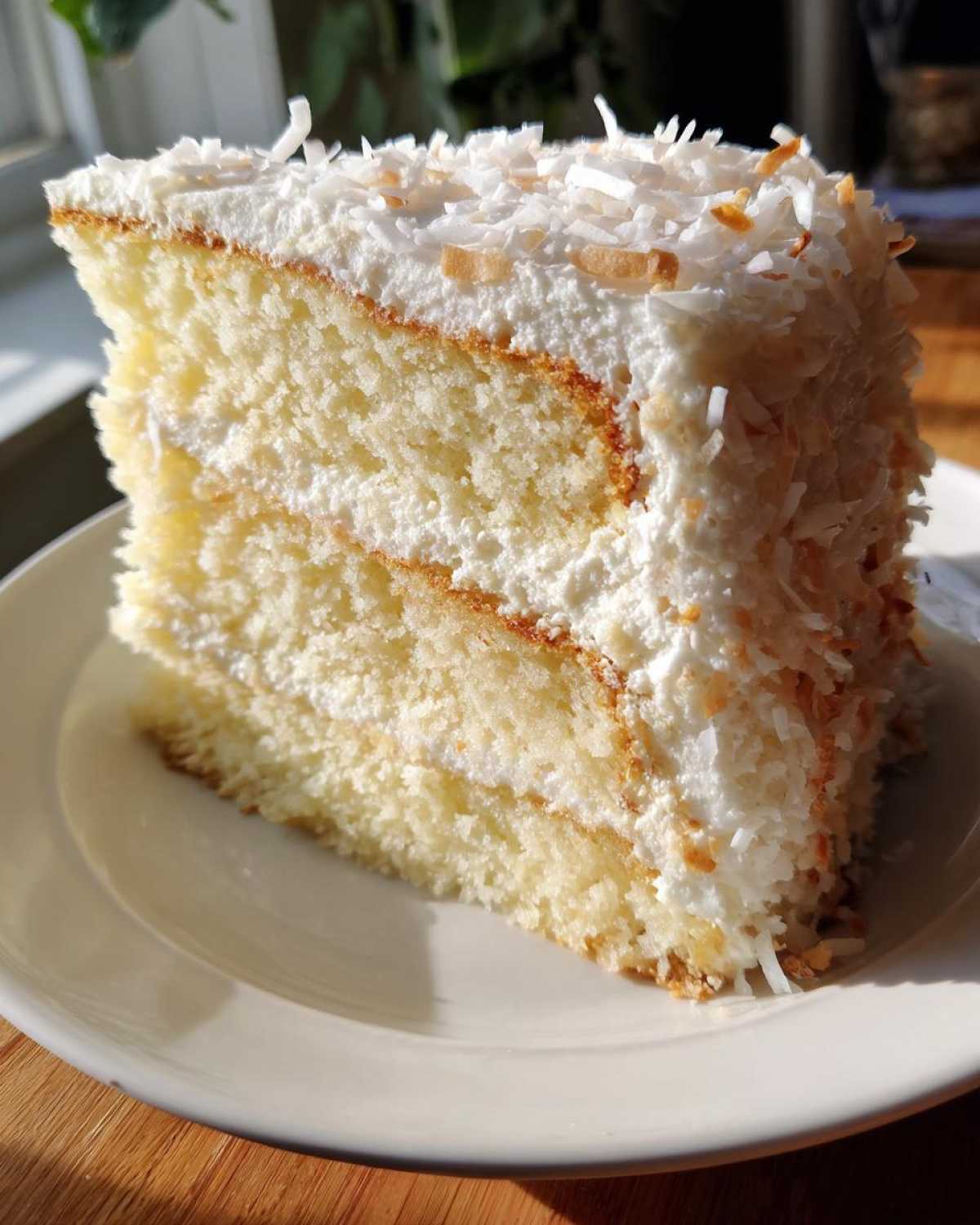
And if you happen to have a Bundt pan that you love using, you can absolutely transform this batter into a gorgeous coconut bundt cake. Just pour the batter into a well-greased and floured Bundt pan and note that the baking time will likely be longer—maybe 45 to 55 minutes. You can find a lovely version of that idea over at Cookies and Cups if you want another baker’s take on it!
Serving Suggestions for Your Homemade Coconut Cake
This homemade coconut cake is such a showstopper; it really doesn’t need much help, but a great pairing just elevates the whole experience! Since it carries such a beautiful tropical coconut dessert vibe, I like to keep the sides light so the cake remains the star. We usually serve it with a side of fresh raspberries or maybe a bowl of lightly sweetened, macerated pineapple if it’s summer. For a perfect drink pairing, try making my Iced London Fog Latte—the subtle tea flavor is a lovely complement. If you’re looking for visual inspiration on serving styles, check out the gorgeous look on Flavorry’s version!
Storage and Reheating Instructions for Coconut Cake
One thing I learned early on with any cream-based frosting is storage—it’s just as important as the baking itself! Because this coconut cake has that rich cream cheese frosting, we have to be smart about how we keep it fresh. You can’t just leave it on the counter for days, especially if your kitchen is warm, but sealing it airtight at room temperature for a short while is often okay for short term flavor.
For best results, especially if you made this stunning coconut layer cake ahead of time, the fridge is your friend. Cover the cake loosely with plastic wrap, making sure the wrap doesn’t disturb the frosting—sometimes Ethan uses toothpicks pressed into the top edges as tiny ‘tent poles’ to keep the plastic from touching the pretty coconut coating. It should stay good in the fridge for about three days. Just remember, cold cakes can taste a little flat!
If you want to serve it later, take the frosted cake out about an hour before serving. Letting it come back up to room temperature lets the butter and cream cheese soften just enough, bringing back that beautiful, creamy texture we worked so hard for. If you want to know how we prep things like this for making ahead and freezing, check out our full guide on Make-Ahead and Freezer Tips!
I haven’t really tried reheating the slices, honestly, because that fluffy texture is best enjoyed cool or room temp, but if you absolutely needed to revive a plain, unfrosted slice? Thirty seconds in the microwave might do the trick, but please be careful not to dry it out further!
Frequently Asked Questions About This Coconut Cake
I knew you’d have questions! When you write down a recipe this special, the details start swirling around in everyone’s head. Ethan always worries about the technical stuff, but most people just want to know if they can swap out ingredients. Don’t worry; we’ve covered the most common concerns about making this a perfect coconut cake!
Can I make this coconut cake ahead of time for a birthday cake?
Yes, you absolutely can, and I often do! The cake layers themselves are wonderful overnight. A day ahead is perfect because it lets the flavors settle in. Here’s my big tip, though: don’t frost it until the day you plan to serve it or the morning of. The luscious coconut cream frosting homemade is best when it’s freshly applied. If you must stack it ahead of time, cover that finished coconut layer cake very tightly with plastic wrap and keep it in the fridge, remembering to pull it out an hour before serving so those fluffy layers soften up again.
What is the best substitute for whole milk in this moist coconut cake recipe?
For the creamiest, most authentic result, stick to whole milk and the full-fat coconut milk we call for, but I totally get it if you don’t have them on hand! If you’re missing whole milk, 2% milk will work fine, but your texture might lean slightly less rich. If you need a dairy-free swap for the whole milk, a good quality oat milk works wonders without altering the flavor too much for this moist coconut cake recipe. Just be aware that thinner liquids might require you to mix just a hair longer to fully incorporate everything, but try hard not to overdo it!
We love hearing from all of you who try our recipes—if you have other questions, feel free to check out our main blog page, or review our rules in the Terms and Conditions!
Estimated Nutritional Data for This Coconut Cake Slice
Now, I know some of you are like Ethan, needing the hard facts, and others, like me, will just grab the first slice that looks good! But for fairness, here’s a snapshot of what you can generally expect from one slice of this amazing coconut cake. Remember, these numbers are just our best guess based on the ingredients listed. If you use different brands or skip my extra splash of cream cheese in the frosting, your totals will naturally shift a bit. It’s important to treat this as an estimate!
- Serving Size: 1 slice
- Calories: 450
- Sugar: 55g (Yes, it’s a treat!)
- Fat: 24g
- Saturated Fat: 14g
- Carbohydrates: 58g
- Protein: 5g
We try to keep things realistic here at Recipes Fleet; this is a real dessert, not diet food! But honestly, when you get that moist crumb and the rich coconut flavor, you won’t be thinking twice about the numbers anyhow. You’ve earned this tropical coconut dessert!
PrintThe Best Moist & Fluffy Southern Coconut Cream Cake Recipe
Bake a truly delicious classic coconut cake perfect for any celebration. This recipe delivers moist, fluffy layers and rich coconut cream frosting that will impress everyone.
- Prep Time: 25 min
- Cook Time: 35 min
- Total Time: 60 min
- Yield: 12 servings
- Category: Dessert
- Method: Baking
- Cuisine: American
- Diet: Vegetarian
Ingredients
- 1 3/4 cups all-purpose flour
- 1 3/4 cups granulated sugar
- 1 tablespoon baking powder
- 1/2 teaspoon salt
- 1 cup unsalted butter, softened
- 4 large eggs, room temperature
- 1 cup whole milk, room temperature
- 1/2 cup coconut milk (full fat)
- 1 tablespoon coconut extract
- 1 teaspoon vanilla extract
- 1 cup sweetened shredded coconut (for cake layers)
- 1/2 cup cream cheese, softened
- 1/2 cup unsalted butter, softened (for frosting)
- 3 cups powdered sugar, sifted
- 1/4 cup coconut milk (for frosting)
- 1 teaspoon coconut extract (for frosting)
- 1/4 cup toasted sweetened shredded coconut (for garnish)
Instructions
- Preheat your oven to 350°F (175°C). Grease and flour two 9-inch round cake pans. Line the bottoms with parchment paper.
- In a large bowl, whisk together the flour, sugar, baking powder, and salt.
- Add the softened butter to the dry ingredients. Beat with an electric mixer on low speed until the mixture resembles coarse sand.
- In a separate bowl, whisk together the eggs, 1 cup whole milk, 1/2 cup coconut milk, coconut extract, and vanilla extract.
- Gradually add the wet ingredients to the dry ingredients, mixing on low speed until just combined. Do not overmix.
- Gently fold in the 1 cup of sweetened shredded coconut for the cake layers.
- Divide the batter evenly between the prepared cake pans.
- Bake for 30 to 35 minutes, or until a wooden pick inserted into the center comes out clean.
- Let the cakes cool in the pans for 10 minutes before inverting them onto a wire rack to cool completely.
- Prepare the coconut cream frosting: Beat the softened cream cheese and 1/2 cup butter together until smooth.
- Gradually add the sifted powdered sugar, mixing until combined.
- Add the 1/4 cup coconut milk and 1 teaspoon coconut extract. Beat on medium-high speed until the frosting is light and fluffy.
- Once the cake layers are completely cool, place one layer on a serving plate. Spread a generous layer of frosting over the top.
- Place the second cake layer on top. Frost the top and sides of the entire cake with the remaining coconut cream frosting.
- Press the toasted shredded coconut onto the top and sides of the cake for a beautiful finish.
Notes
- For the most moist coconut cake, ensure your milk and eggs are at room temperature before mixing.
- To toast the shredded coconut, spread it on a baking sheet and bake at 350°F (175°C) for 5-8 minutes, watching closely to prevent burning.
- This recipe works well for birthdays or holiday gatherings.
Nutrition
- Serving Size: 1 slice
- Calories: 450
- Sugar: 55g
- Sodium: 280mg
- Fat: 24g
- Saturated Fat: 14g
- Unsaturated Fat: 10g
- Trans Fat: 0.5g
- Carbohydrates: 58g
- Fiber: 1g
- Protein: 5g
- Cholesterol: 95mg