

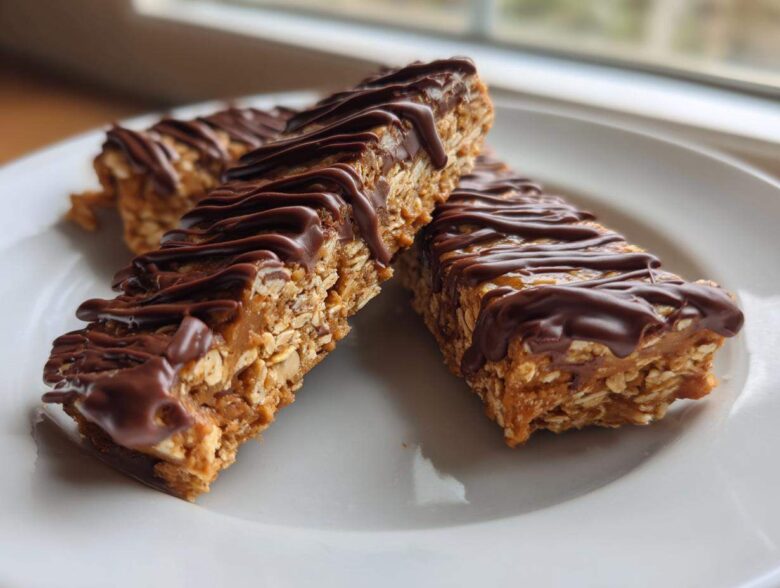
Are you tired of reaching for those expensive, overly processed store-bought protein bars that promise the world but leave you feeling… unsatisfied? Trust me, I get it. Chloe always wants that perfect, sweet, chewy texture, but I insist on knowing exactly what’s going into our food. That’s why we wrestled this recipe out of our kitchen chaos! We nailed down the Easy No-Bake 5-Ingredient Peanut Butter Protein Bars. These are the real deal: simple ingredients, zero baking time, and they give you that satisfying punch you need. My structured approach, which you can read more about on our About Us page, ensures they hold together perfectly every time, while Chloe’s love for peanut butter makes sure they taste incredible. These are the best protein bars you’ll ever whip up in minutes.
Why These Easy No-Bake 5-Ingredient Protein Bars Are a Game Changer
Listen, I’m the guy who likes labels and spreadsheets, and I can tell you with certainty that buying commercial protein bars gets expensive quickly! When Chloe and I compare notes, we always land here: these homemade versions win on taste, price, and ingredient control every single time. We cut out all the weird stuff you can’t pronounce and kept only what matters.
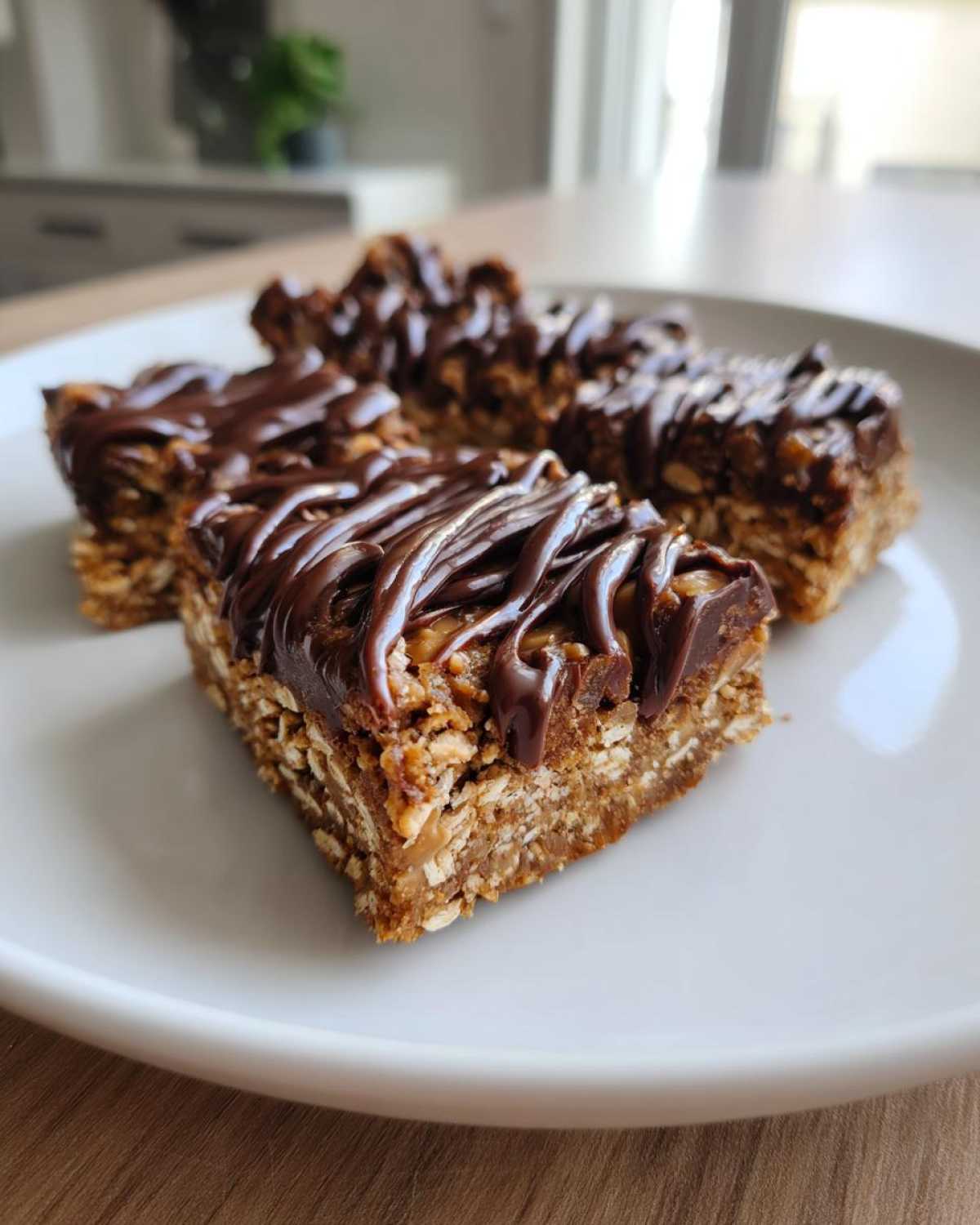
- They genuinely taste like a treat, not chalk!
- We keep the prep time under 15 minutes, easily.
- They keep us fueled for days—perfect for meal prep bins.
It’s the perfect example of our blended style: structured ingredients that deliver amazing results, making these reliable homemade protein bars!
Quick Assembly for Busy Days
When that 3 p.m. slump hits, you need fuel *now*, not thirty minutes from now. That’s why I love that we can dump the ingredients, stir, and press everything into the pan in about ten minutes flat. Honestly, the chilling time is the hardest part! These are the ultimate grab-and-go fuel when you need quick protein treats.
Cost-Effective Homemade Protein Bars
Seriously, look at the price tag on a fancy box of bars at the checkout line. Ouch. When you make your own, you control the costs by buying oats and peanut butter in bulk. You’ll find that what costs five dollars for one store-bought bar can make you ten of these amazing snacks. Check out how we save money in other areas of the kitchen, like with our homemade naan bread—always cheaper to bake it yourself!
Gathering Ingredients for Your Peanut Butter Protein Bars
Okay, now for the serious part: the ingredients. Since this is a “5-ingredient” recipe, every single item matters a huge amount! Chloe insists that these homemade protein bars rely on quality staples, which is why I stick to precise measurements—we can’t afford guesswork when we’re balancing the dry power against the sticky binders. If you are looking for ideas using different ingredients, I keep a running list over on my post about protein bar ingredient ideas, but for this batch, stick to the plan!
Essential Components for Perfect Protein Bars
These five building blocks create the structure and flavor for chewy perfection. You’ll need:
- 1 cup rolled oats (don’t use instant, please!)
- 1/2 cup natural peanut butter (the kind you have to stir)
- 1/2 cup vanilla or unflavored protein powder (this is key to the high protein count!)
- 1/4 cup honey or pure maple syrup
- 2 tablespoons milk (dairy or non-dairy, whatever you have handy)
Optional Chocolate Drizzle Ingredients
If you want that beautiful topping that makes these look like a store-bought treat, grab these two extras. They aren’t essential for the bar itself, but wow, they are worth the extra step:
- 1/4 cup dark chocolate chips
- A tiny bit of coconut oil (just to help it melt nice and smooth)
Expert Tips for Making No Bake Protein Bars
Before we even get to the mixing bowl, there are two little things that Chloe and I have agreed on that make all the difference when dealing with no bake protein bars. First, my organizational side demands that you get the parchment paper ready *first*. Seriously, line that 8×8 pan completely right now with an overhang—it saves you stress later when the goodness is sticky and trying to cling to the corners! I swear by this setup; check out some other organizational hacks we use over on the Recipes Fleet Blog.
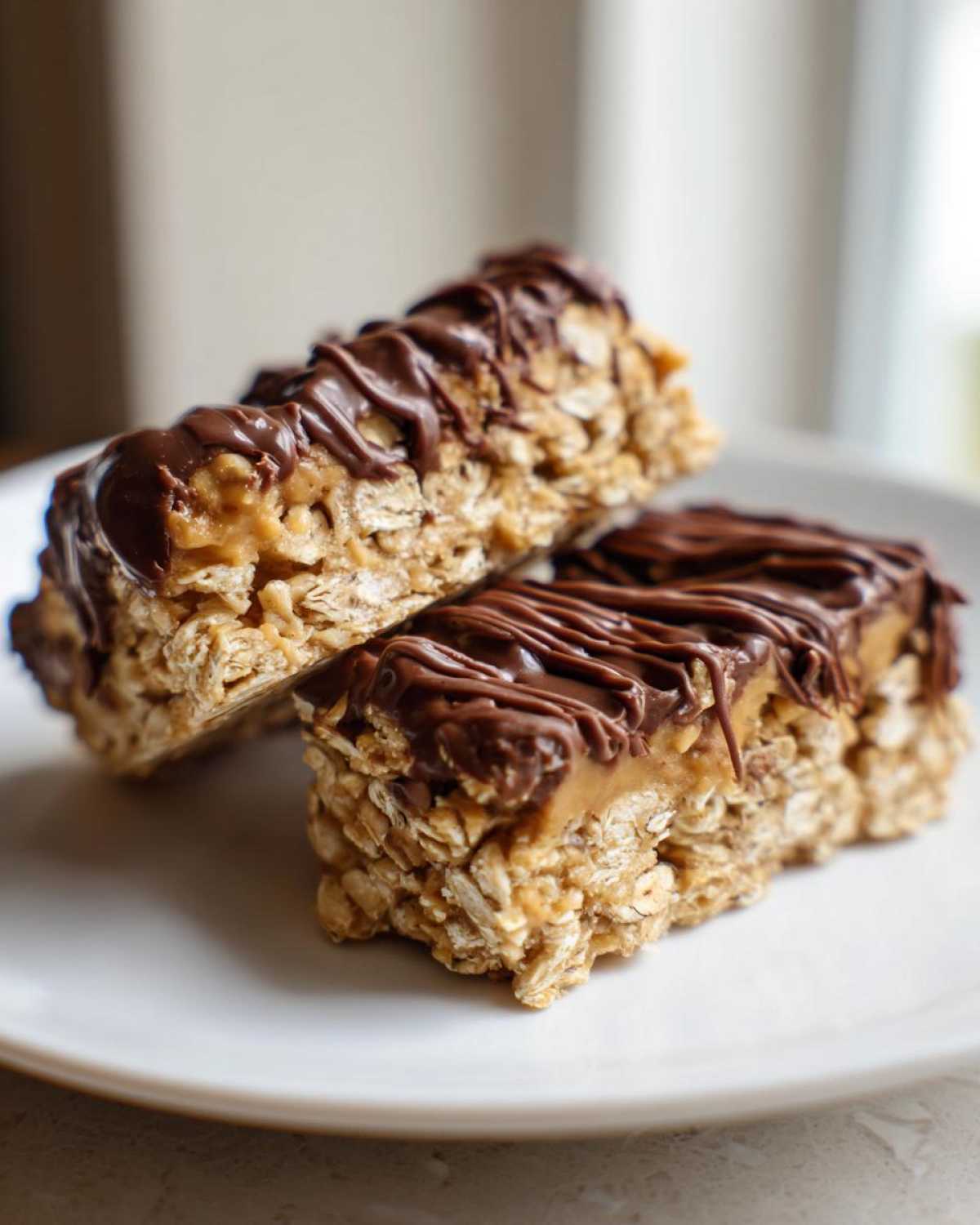
Second, Chloe’s wisdom kicks in here: pay attention to how the dough feels. Since different protein powders absorb moisture differently, you might need a little adjustment. Don’t panic!
Achieving the Right Dough Consistency
If your mixture feels bone dry, like it’s going to crumble before you even press it, that means your protein powder was thirsty. Add milk—but only one teaspoon at a time! Since we used natural peanut butter and oats, which soak things up slowly, you have to go slow on the liquid. A splash of extra protein powder usually does the trick if it gets too wet. We need that thick, cohesive dough for firm homemade protein bars!
Step-by-Step Instructions for Chewy Protein Bars
Alright, Captain Ethan reporting for duty! Since we aren’t firing up the oven for these protein bars, our main focus is the texture. We need that thick, chewy binder that holds everything together without getting crumbly when you bite into it. Remember how I mentioned getting the parchment paper ready beforehand? That’s step one accomplished, so now we dive right into the action. Don’t rush the mixing stage; that’s where Chloe usually wants to peek early, but patience pays off in these high protein recipes!
Mixing and Pressing the Base
First things first: combine the dry stuff—the oats and your protein powder—in a big bowl. Then add the peanut butter. This helps coat the powder a little before the wet ingredients go in. Next, drizzle in your honey (or maple syrup) and that splash of milk. Now, you mix! You have to stir until it genuinely looks like a thick, uniform dough. If you see dry spots of powder, keep mixing! Once it’s mostly homogenous, transfer it all into that prepared pan. This is where you pack it down. Use the back of a spatula, or even just clean hands, and press *hard*. You want these homemade protein bars to be compressed! We’re aiming for dense and sturdy, not loose.
Chilling and Cutting Your Homemade Protein Bars
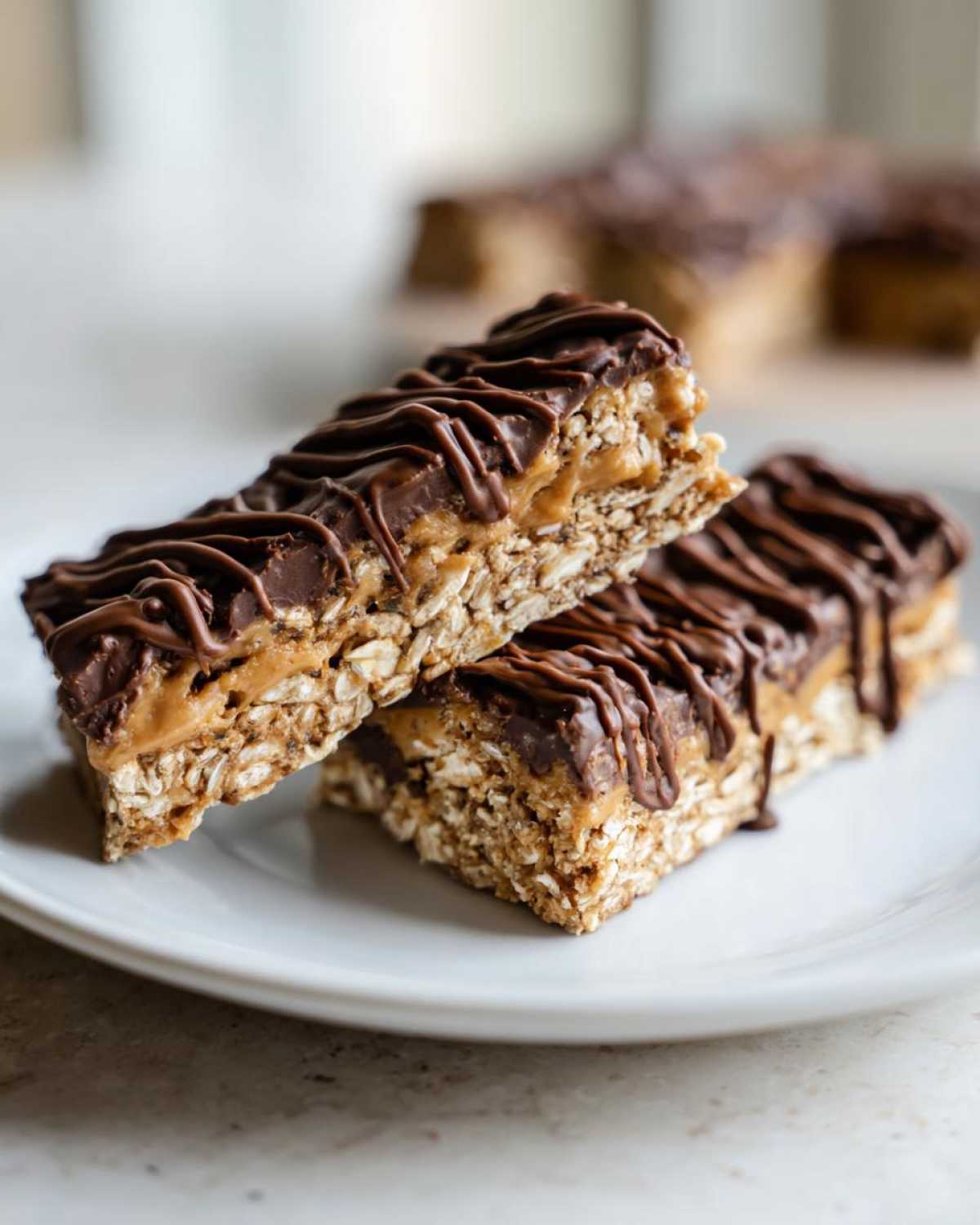
If you melted chocolate, drizzle it on top now—it looks so fancy! After that, your work is done. Slide that pan straight into the fridge. You need at least one full hour for everything to set up properly. Seriously, don’t cheat this chilling time. When they feel completely firm—no wiggle room—that’s when you grab the parchment overhang and lift the whole block out onto a cutting board. Then, slice them into about ten or twelve perfect squares. You can find a few extra tips on getting the timing right in my favorite recipe over at easy no-bake protein bars recipe!
Ingredient Notes and Substitutions for Protein Bars
We love that these are flexible, because sometimes you just run out of honey or the store is out of vanilla powder. That’s the beauty of mastering the science behind protein bars—you gain the knowledge to pivot! I’ve learned over time that you can swap out ingredients, but the ratios matter tremendously for structure. This is crucial if you are aiming for those perfect, chewy bars that don’t fall apart the second you grab them. If you want to see how we blend structure and creativity in other recipes, take a peek over at our recipe for chocolate chip banana bread!
Making Vegan Protein Bars Recipe Adjustments
If you’re keeping things totally plant-based, it’s super simple here. First, make sure your protein powder is plant-based—whey is out, obviously. Second, swap the honey for maple syrup. That’s literally it for the main batch! Maple syrup works just as well as a binder here, though it lends a slightly different, very pleasant undertone. These are fantastic as vegan protein bars recipe variations!
Adjusting Texture for Chewy Protein Bars
This is where Chloe’s intuition comes in handy, though I monitor the process closely! If your final mixture is too loose, meaning it spreads out in the pan instead of holding its shape, add just one tablespoon of extra protein powder or oats at a time until it firms up slightly. Too dry? Add milk a teaspoon at a time, mixing well after each addition. Getting that perfect, pliable dough ensures you end up with the most satisfying, chewy protein bars.
Storage and Make Ahead Protein Snacks
Since these are protein bars meant for meal prepping, storage is everything! I love batch-making these on a Sunday afternoon so Chloe and I have grab-and-go fuel for the entire week. The great news is that because they have virtually no water content (no egg washing or baking here!), they last wonderfully well.
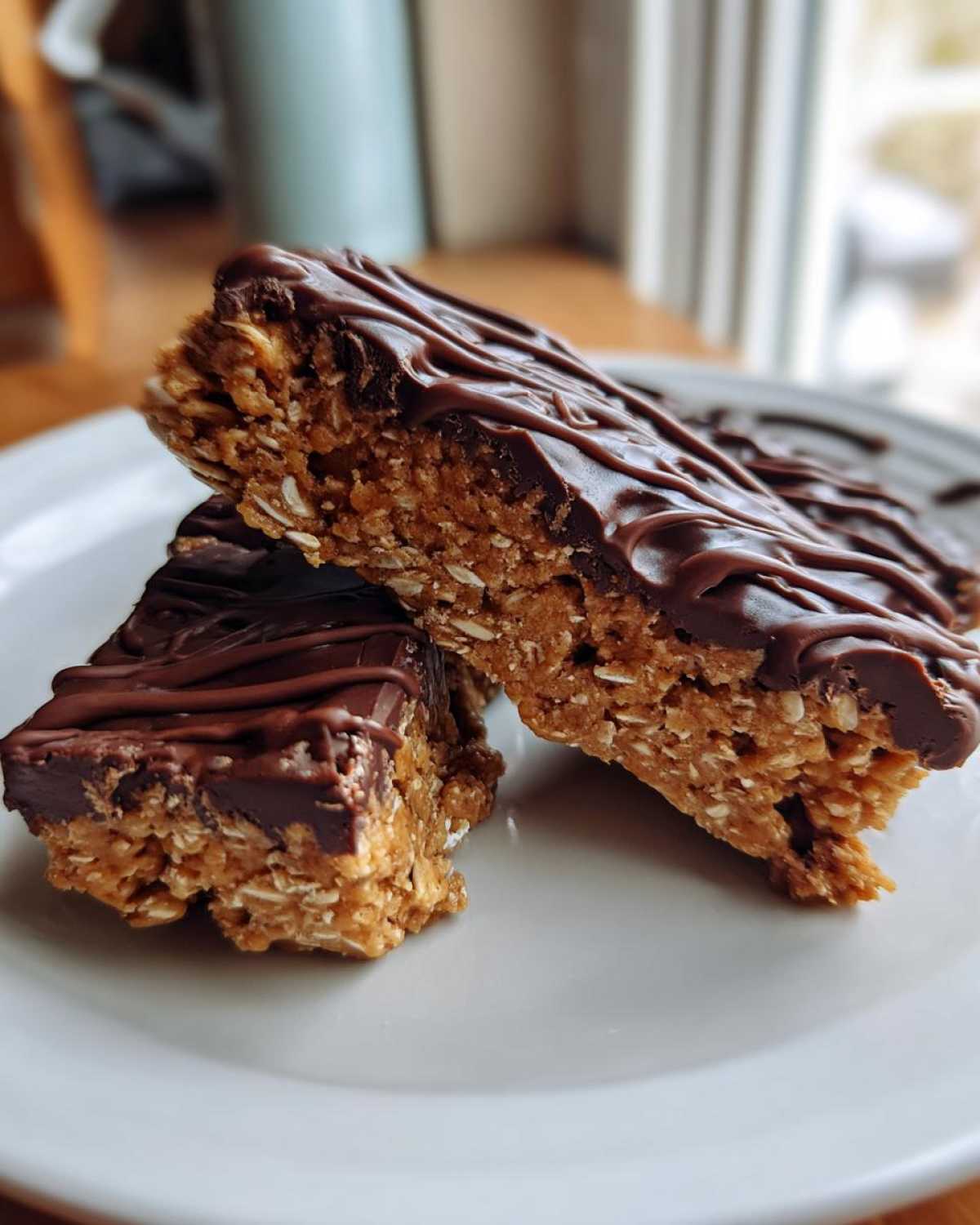
Keep them in an airtight container right in the refrigerator, and they’ll stay good and firm for about a week. We often wrap individual bars tightly in plastic wrap or parchment paper before storing them in the freezer, perfect for those busy weeks. If you freeze them, just let them sit on the counter for about 15 minutes before you want to eat one. If you want to check out another great freezer recipe we rely on, look at our freezer breakfast burritos!
Frequently Asked Questions About Homemade Protein Bars
It seems like every time we share these super easy numbers, people have brilliant questions! That’s what I love about this community—you’re all thinking ahead on how to make these protein bars fit perfectly into your life. Chloe and I usually answer what we can in the comments, but if you ever have a question you can’t find an answer to, shoot us a message over on our contact page. Here are the questions that come up most often about our homemade protein bars recipe.
How do I prevent my homemade protein bars from crumbling?
This is my favorite structural question! The absolute biggest reason for crumbling is not pressing the dough down firmly enough into the pan. When you press, you’re creating the bars’ internal structure! You need to pack it down like you mean it—use the bottom of a glass or a measuring cup too, really smooth it out and compress it. Also, check your liquid ratios; if it’s too dry, it *will* resist sticking together.
Can I make low sugar protein bars using this base?
Yes, you absolutely can play around to make these fit your needs, though you need to be mindful. If you want low sugar protein bars, swap the honey/maple syrup for a zero-calorie liquid sweetener like monk fruit or erythritol blends. Just be warned: sweeteners don’t bind the same way sugar does, so you might need a tiny bit less liquid overall, or you might need to add a tablespoon more protein powder or oats just to get that sticky dough feel back. They’ll still be good, just less chewy sometimes!
Estimated Nutritional Snapshot for These Protein Bars
Before you dive into making these, I always like to give a quick heads-up on what’s in them. Because we are using whole foods and controlling the sweeteners, these protein bars are great for a satisfying snack! Here is what you can generally expect per bar:
- Calories: 195
- Protein: 11g
- Fat: 10g
- Carbohydrates: 18g
- Sugar: 7g
Remember though, these are just estimates based on the standard ingredient profile we used—if you swap out natural peanut butter for PB2 powder, or use different milk, those numbers change! For our official standard disclaimer on nutritional information, you can take a look here: our disclaimer page. Happy snacking!
Share Your Simple Homemade Snacks Creations
That’s it! You’ve made it through the mixing and the chilling, and you are officially in possession of some of the best protein bars you’ll ever make at home. Now, the best part of the “fleet” is when you all start trying these ships out in your own kitchens!
I really want to see what you come up with. Did you try drizzling dark chocolate, or did you go rogue and add some dried coconut flakes? Don’t forget to snap a picture and tag us! If you follow the steps, you’ll have these amazing simple homemade snacks ready to go in under an hour.
If you try this recipe, please leave a star rating below and tell us how it went for you! Your feedback helps us know we’re charting the right course. We love hearing about your successful high protein recipes and how these bars are fueling your busy lives. Happy experimenting, crew!
PrintEasy No-Bake 5-Ingredient Peanut Butter Protein Bars
You can make these simple, chewy peanut butter protein bars at home with just five ingredients. They require no baking and are perfect for quick meal prep or a satisfying, high-protein snack.
- Prep Time: 10 min
- Cook Time: 0 min
- Total Time: 70 min
- Yield: 10 servings
- Category: Snack
- Method: No-Bake
- Cuisine: American
- Diet: Vegetarian
Ingredients
- 1 cup rolled oats
- 1/2 cup natural peanut butter
- 1/2 cup vanilla or unflavored protein powder
- 1/4 cup honey or maple syrup
- 2 tablespoons milk (dairy or non-dairy)
- Optional Drizzle: 1/4 cup dark chocolate chips, melted
Instructions
- Line an 8×8 inch baking pan with parchment paper, leaving an overhang on the sides for easy removal.
- In a large bowl, combine the rolled oats, protein powder, and peanut butter.
- Add the honey (or maple syrup) and milk to the mixture.
- Stir everything together until a thick, uniform dough forms. If the mixture seems too dry, add milk one teaspoon at a time until it holds together when pressed.
- Press the dough evenly into the prepared pan. Use the back of a spatula or your fingers to pack it down firmly.
- If using the chocolate drizzle, melt the chocolate chips in a microwave-safe bowl in 30-second intervals, stirring until smooth. Drizzle the melted chocolate over the top of the bar mixture.
- Place the pan in the refrigerator and chill for at least 1 hour, or until the bars are firm.
- Use the parchment paper overhang to lift the bars out of the pan. Cut into 10 to 12 equal pieces.
- Store your homemade protein bars in an airtight container in the refrigerator for up to one week.
Notes
- For a vegan option, make sure your protein powder is plant-based and use maple syrup instead of honey.
- If you want a firmer bar, reduce the liquid slightly. If you prefer a softer bar, add a tiny bit more milk.
- These peanut butter protein bars freeze well for longer storage; wrap individual bars before freezing.
Nutrition
- Serving Size: 1 bar
- Calories: 195
- Sugar: 7
- Sodium: 95
- Fat: 10
- Saturated Fat: 2
- Unsaturated Fat: 8
- Trans Fat: 0
- Carbohydrates: 18
- Fiber: 2
- Protein: 11
- Cholesterol: 0